
Black Friday and Cyber Monday (BFCM) are no longer just two days on the calendar, they’ve become the centerpiece of the holiday shopping season. Every year, consumers shop earlier, competition gets tougher and customer expectations climb higher. To stay ahead, retailers need a clear plan that covers everything from marketing and payments to inventory and fulfillment.
This year promises to be an exciting year for both online and offline stores. According to a recent survey by the National Retail Federation (NRF), US retail sales are projected to grow by 2.7% to 3.7% compared to 2024, reaching $5.48 trillion despite ongoing economic uncertainty.
“Overall, the economy has shown continued momentum so far in 2025—bolstered by low unemployment and real wage gains. However, significant policy uncertainty is weighing on consumer and business confidence,” said NRF President and CEO Matthew Shay.
As economic factors shape spending, one thing remains clear: shoppers will still be on the hunt for value and convenience. That’s why it’s essential to ramp up your BFCM efforts sooner rather than later.
Consider the following pointers for how to prepare:
- Plan your merchandising strategy
- Choose the best items for discounts
- Tailor your messaging
- Set up email marketing campaigns
- Embrace social media
- Focus on search engine optimization
- Take advantage of apps
- Stagger sales and discounts
- Plan your shipping strategy
- Add contactless options
- Strengthen your checkout experience
- Step up your customer support
Boost sales & win customers this holiday season
From stocking the right inventory to crafting marketing campaigns that sparkle, success starts with the right tools.
1. Plan your merchandising strategy
The way you promote your goods, both online and in-store, can make a huge difference for your sales and ultimately, your bottom line.
Online merchandising tips
Online merchandising involves the specific placement and order of products, promotions and collections on your website to drive sales. When done well, it will properly promote your products, help prospective customers navigate your stock and guarantee shoppers find what they’re looking for–ultimately helping limit abandoned carts.
- Personalized shopping: Utilize in-cart items and customer data, such as browsing history and past purchases, to recommend products.
- Upselling: Based on what customers plan to purchase, promote similar, slightly higher-priced products.
- Cross-selling: This can involve bundling products together and selling them at a discount, or including a “customers also bought” section.
- Provide social proof: Reviews are important to customers, and can make or break a sale. Make sure customers can add reviews, including photos of the item, allowing others who are browsing to get more information about the product.
- Use high-quality images: Make sure your site includes several high-quality, well-lit photos of each product.
In-store merchandising tips
As with online merchandising, the purpose of in-store merchandising is to promote products in the most effective way possible in order to maximize sales. When it comes to brick-and-mortar stores, retailers will create product displays and floor plans to achieve optimal results.
- Tap into psychographics: Demographic data is key, but you also need to dig a little deeper to understand your average customer persona, including personality, values, lifestyle, etc. You can use customer data to fuel this research.
- Use design theory: Although you may want to put beautiful displays in place all over your store so customers can see deals, less is more. Look into the elements of design theory (balance, contrast, white space and unity) and apply that knowledge to your merchandising.
- Stay true to your brand: Black Friday is certainly a special event, but that doesn’t mean you should stray too far from your company’s brand, decor and overall style.
- Add creative signage: Guide customers to promotions and discounts using eye-catching signs and displays.
- Appeal to the senses: A multisensory experience is key to a successful customer journey. Tap into sound, touch, taste, smell and sight as you plan your Black Friday merchandising to create a truly cohesive environment.
2. Choose the best items for discounts
While it’s important to include traditional best sellers in your discounts, you should also look at recent sales trends and analyze which items customers have been adding to their carts.
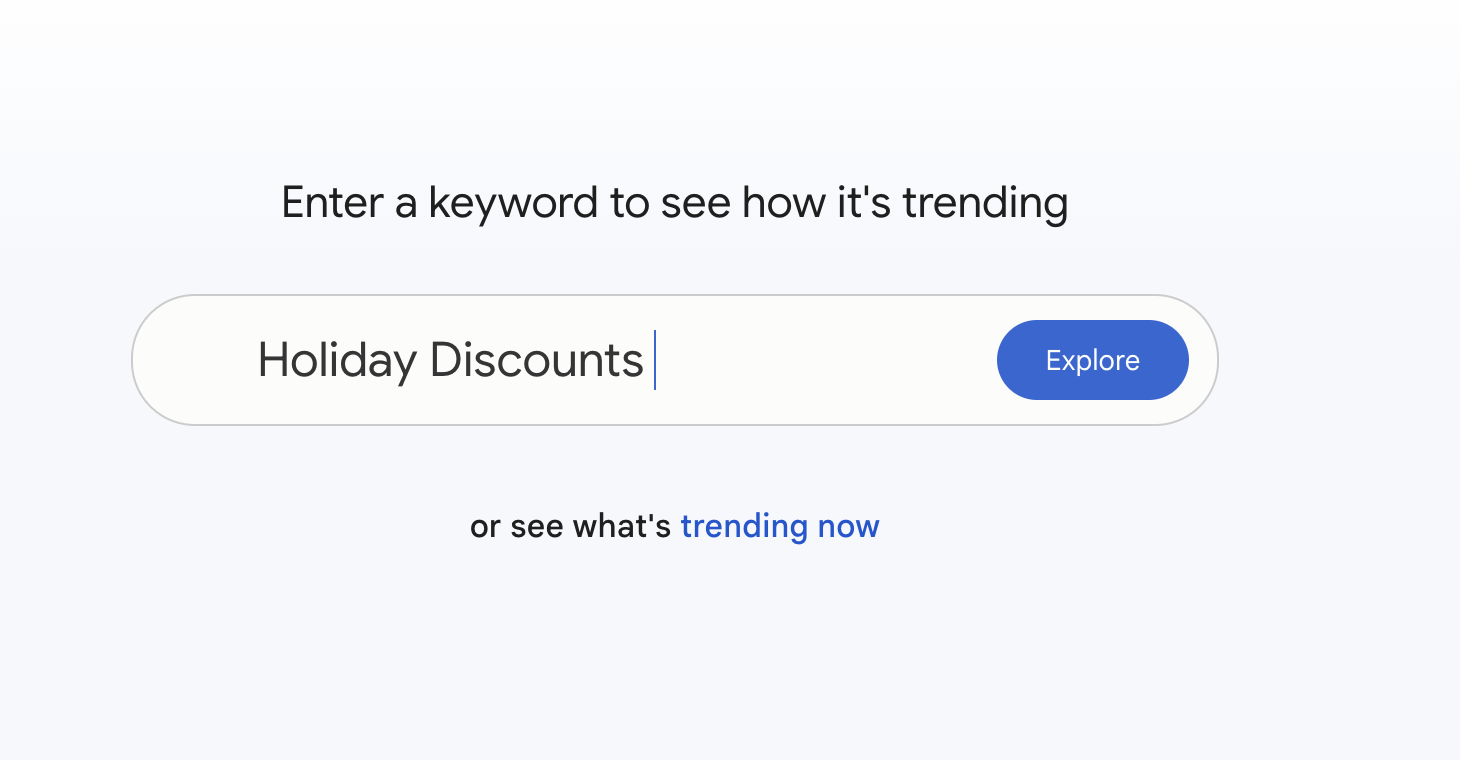
Consider using a tool such as Google Trends to identify popular search terms in your industry or area. Then, use your findings to inform your BFCM inventory decisions.
In general, it’s smart to track your gross inventory margins in the months before BFCM so you can decide which inventory to discount. That can help you decide whether to implement bundle pricing, bonus packs or stacked pricing, which are all helpful methods for offloading inventory that isn’t selling as well.
Use data to determine what to discount
If you use a POS and payment system that provides data, reporting and analytics, take advantage of it. This information can help you easily decide what to discount and by how much.
Lightspeed Insights is a powerful tool that gives you transformative visibility into your business. The platform delivers clear, actionable data, in-depth inventory tracking and data-driven order recommendations. With Insights, you can make smarter decisions around staffing, sales and inventory replenishment while also identifying best-selling items during peak seasons like BFCM.
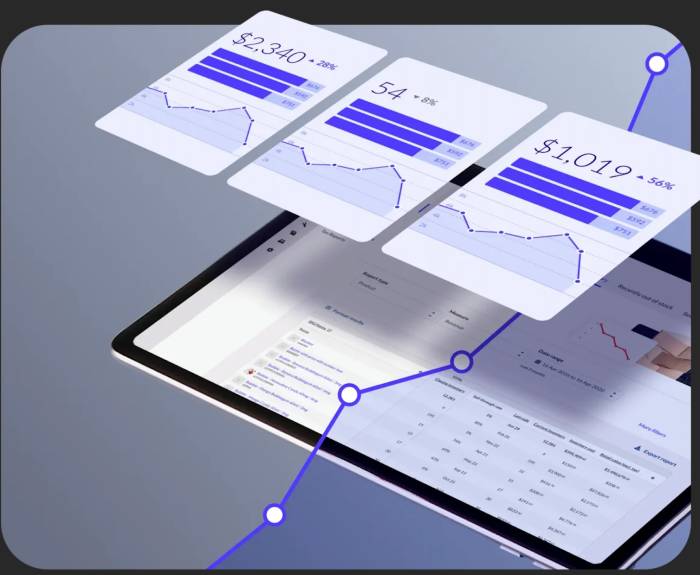
Your sell-through rate can be a useful metric at this time of year. Take a look at your sell-through reports to determine what items sold during a specific period.
Examine your inventory data to pinpoint slow-moving items that could be discounted. Additionally, this analysis will highlight trending products that should be featured prominently. This information will assist you in determining which items to offer discounts on during the busy holiday season.
Other valuable information includes customer data. With access to purchase history and shopping patterns, you can see what’s popular with customers and understand how to keep them engaged.
Plus, your online shoppers and in-store shoppers may have different preferences. Using inventory and customer data, you can offer personalized deals and even offer different deals online vs. in-store.
Adding discounts with Lightspeed
During BFCM, customers will be looking for a wide range of discounts and offers. Every shop has different needs, which is why it’s important to offer many types of discounts through segmentation, upselling, bulk deals and combination pricing. It’s up to you to choose the ones that fit your business best.
As a consumer, part of the shopping experience is researching online, comparing products and checking prices across stores. Promote your BFCM sale in advance to make sure your webshop lands on as many shopping lists as possible.
3. Tailor your messaging
The consumer landscape is constantly evolving, and the key to staying competitive is to continuously adapt to the needs of modern shoppers. While looking at historical data can certainly be helpful, you also need to be open, keep an eye to the future and stay nimble enough to pivot quickly.
According to McKinsey & Company, to make your mark this BFCM season retailers should leverage AI to create promotions that deliver precise and relevant offers rather than generic discounts. They also highlight the importance of using historical data to craft personalized messaging and reach the right people at the right time.
While BFCM is known for inflated sales, it should also be a chance to connect with customers and their needs, build community and play a role in making their lives better.
4. Set up email marketing campaigns
Retailers spend more ad dollars around the holidays and BFCM is no exception. With the ever-growing culture around gifts and the pressure of the holiday season, shoppers are more tuned in to holiday deals and updates. That also means everyone has the same idea, so messaging can feel saturated. This is why it’s critical to make your brand stand out.
While sending generic emails might be the easiest option, it might also be the least effective one. Each customer is different, meaning their offers should be too. This is where segmentation comes in handy.
Jonathan Frey, CMO of Urban Bikes Direct, recommends using segmented email marketing to create a more personalized holiday sales experience. Not every promotion will appeal to every shopper, and some customers may not respond to BFCM messaging at all. By tailoring campaigns to different customer types, you can connect with each audience on their own wavelength and make your outreach more effective.
Place your bets on loyalty
While the upcoming shopping weekend can be a great time to lure new customers in, it can still be pricey, as it can cost up to 25 times more to acquire a new customer. It may seem tempting to exclusively run paid ads on Facebook and Instagram to get more new customers, but don’t make the mistake of neglecting your existing ones; they’re the ones that are more likely to buy more and recommend your store to friends and family.
Don’t risk having your best customers shop at one of your competitors. Create emails that feature your holiday deals and send them to your existing customers, and don’t forget to create a sense of urgency so that they act fast. Make sure to use segmented email marketing to offer your VIP customers exclusive deals that they might like.
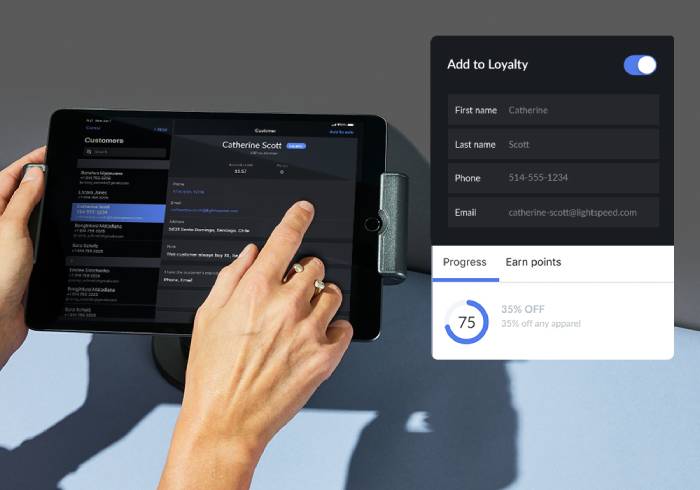
With Lightspeed’s Loyalty program you can quickly build promotional emails using the drag-and-drop editor. These tools let you run in-store and online sales without relying on spreadsheets or manual uploads. Live promotions update automatically to include new products, customers or outlets, keeping everything relevant and up to date.
And the data backs it up. Lightspeed’s recent retail consumer survey* found that more than 40% of customers return because of in-store-only loyalty rewards. Shoppers also said quality and service matter more than affordability when it comes to loyalty. When they do go online, it’s usually for convenience (66.7%), wider product selection (46.4%) or better prices and online-only deals (43.6%).
5. Embrace social media
According to a 2025 Salsify report, 69% of shoppers think about making purchases while doing something else, such as scrolling social media or watching a stream. In addition, 39% have bought a product after seeing a social media influencer promote it, an 18% increase from 2024.
Another thing to keep in mind is that it’s a lot cheaper and more effective to make your ads as targeted as possible. If you’re looking to get people into your physical store, we suggest narrowing your audience to be only within a certain distance from your location.
This achieves two things:
- The only people getting your BFCM ads are located near your business and are more likely to visit your store and make a purchase.
- You get a higher ROI for what you spend. Since your audience is highly targeted, each person that sees your ad is more likely to convert into a customer.
Launch dynamic ads on Facebook
If you’re looking to shift some of your foot traffic to your online shop, you might also want to reach a broader audience. Similar to geotargeted ads, it’s also much more effective to remarket people who have visited your online store.
The holidays are the best time to use tools like Facebook and Instagram to reach out to people that have connected with your brand previously and close the sale. Think about it: they’ve already looked at products on your website, so why not send them a reminder to take action? If you’ve installed Facebook Pixel on your website, you can create Facebook ads that feature the very same products someone viewed.
For example, let’s say you were shopping for a pair of Mejuri earrings and saw some Cabochon Studs you liked. You didn’t buy them, but you did look at them. Next thing you know, you see them in a carousel ad on your Facebook newsfeed. Your customer might then add the earrings to their cart and become a paying customer. Remarketing people who are visiting your online store is another trick for running Facebook ads that actually work.
Start using Instagram Shopping
When you’re creating content on Instagram, there’s a great feature called Instagram Shopping that lets people buy products featured in your posts directly through the app.
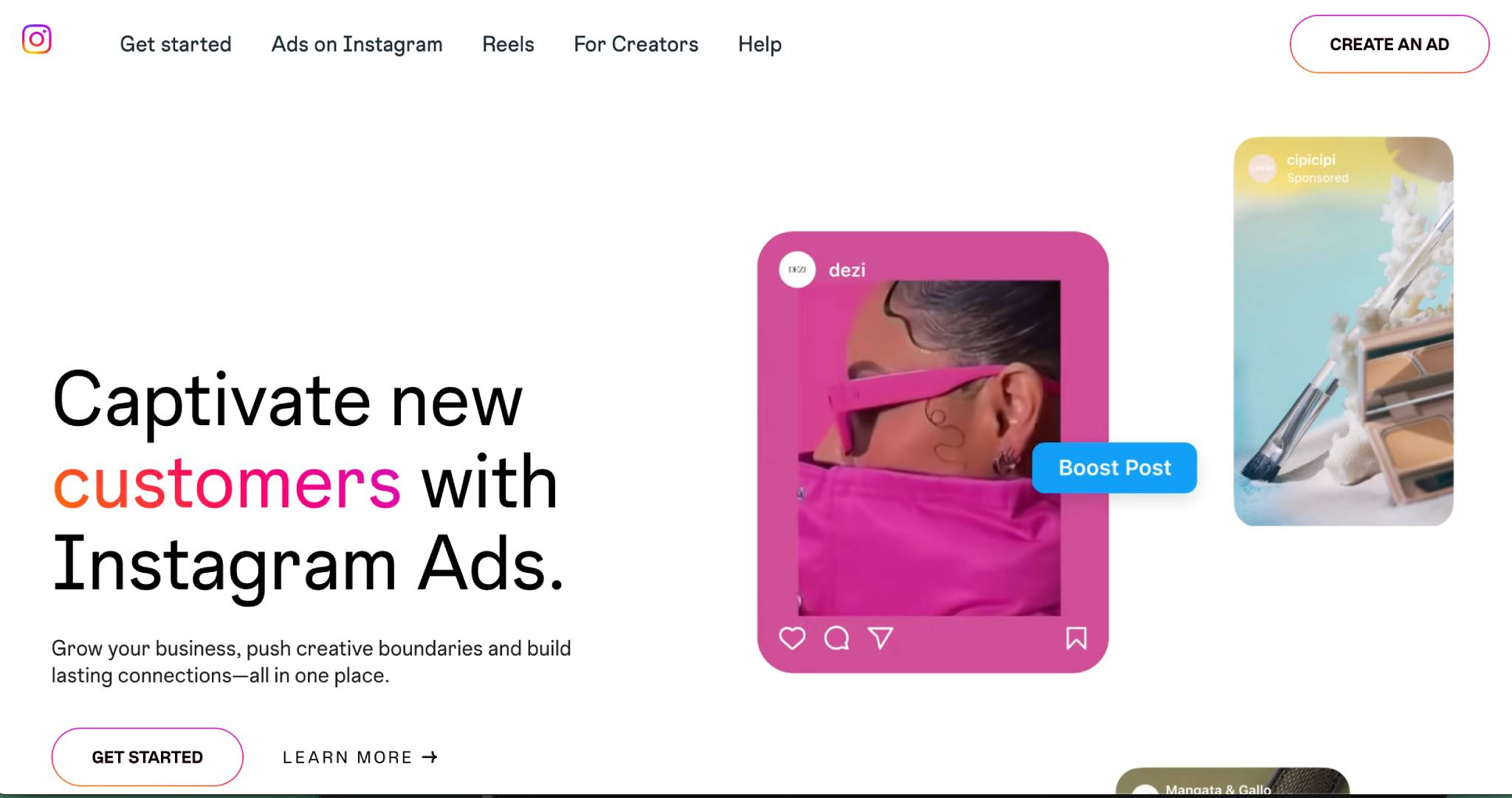
While it’s used by big-box retailers, it’s easy for independent retailers to set up too. Once you set up Instagram Shopping and create a few posts, those posts are visible to any of the 200 million accounts that use the Instagram Explore page daily. That’s a lot of exposure and potential sales for not a lot of effort.
Get on TikTok Shop
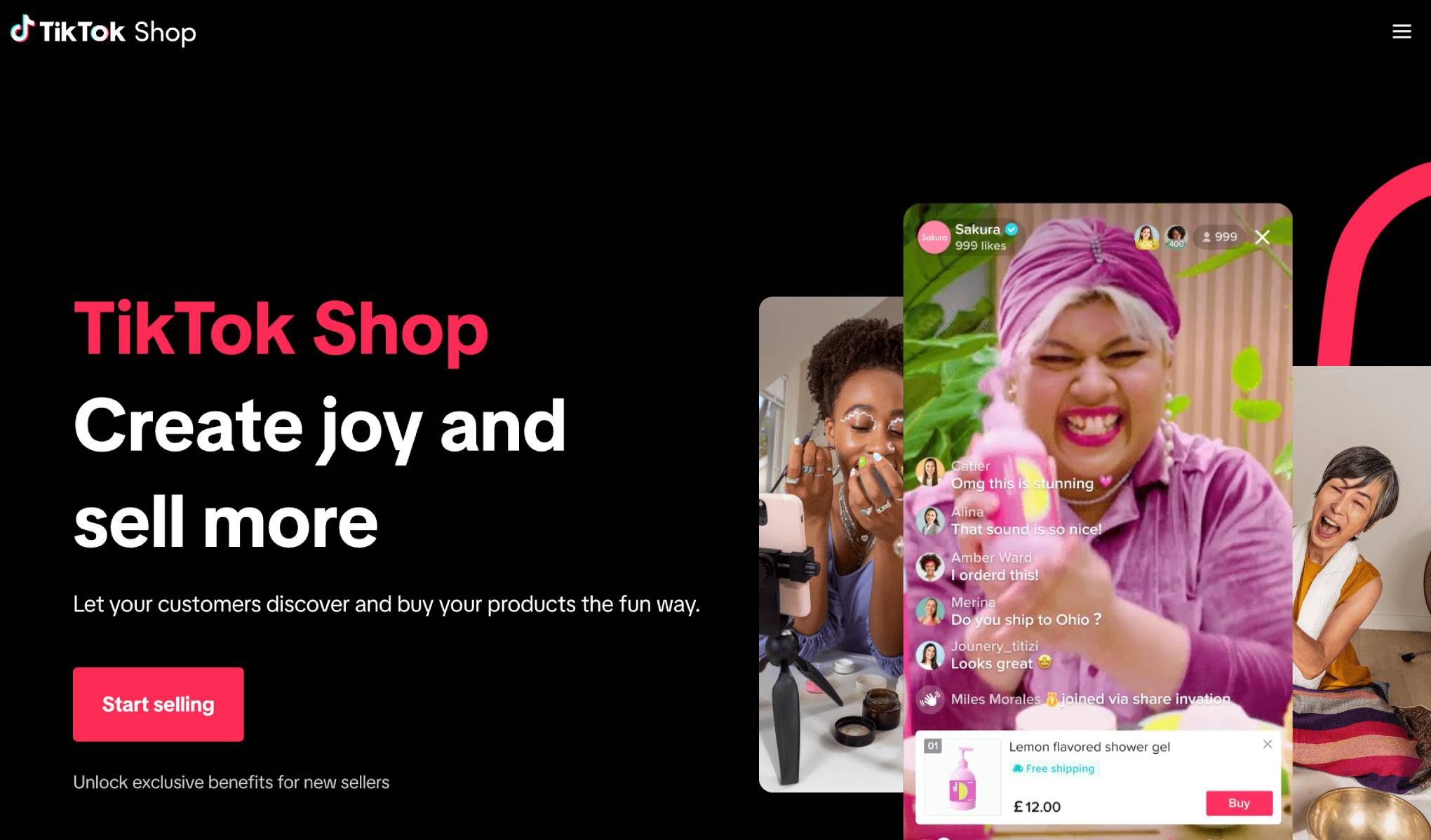
Does your brand have a TikTok presence? It’s time to take advantage of that with TikTok Shop. US sellers can market their products to consumers directly on the TikTok app, where people can make purchases seamlessly in-platform. With one billion active monthly users and steadily growing, TikTok is a great place to open up your audience and increase brand awareness to drive sales.
6. Focus on search engine optimization (SEO)
SEO can be a powerful tool to bring in customers organically in the short and long term.
Optimizing your website is an ongoing process. Still, it’s worth reviewing your landing and product pages to attract more customers during the upcoming shopping weekend. You don’t need to overhaul your entire site, but updating copy on key pages and products can make a big difference.
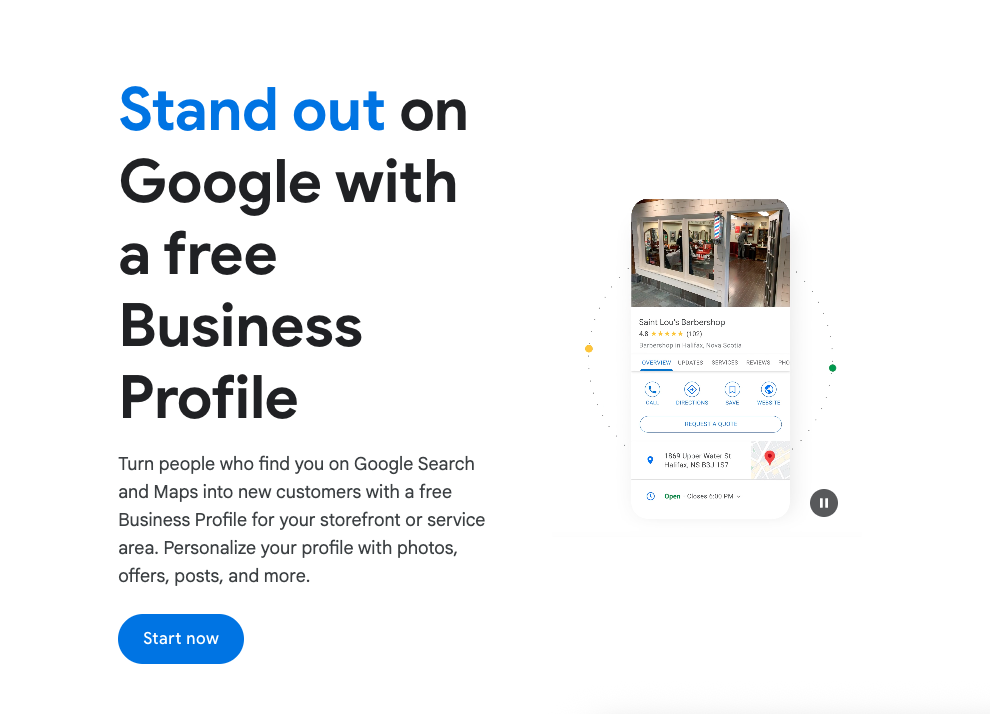
Optimizing your website can also help bring foot traffic to your physical store. But first, make sure your store information is properly set up on Google My Business. People should be able to find your store’s location, contact information and other basic information with a simple search.
When revamping your website, also focus on making information like store hours, health and safety policies and deals you’ll be offering at your store, easily accessible. Make sure your in-store policies are prominently featured on your website to motivate customers to visit.
Improve your website speed
Patience is not a quality that can be attributed to most online shoppers, and having a website that won’t load quickly can easily mean a lost sale.
Making sure your website’s speed is up to the task of an added influx of customers on one of the busiest weekends of the year should be high on the list of your priorities. In order to ensure your website is ready for BFCM, take a look at which pages have the most visitors and start optimizing those pages first.
Revamp your website security
Now that your website is ready to take on the weekend rush, it’s time to focus on an even more important subject: website security.
According to CoinLaw, ecommerce platforms see a 65% increase in phishing attacks during Black Friday sales, with hackers targeting payment systems and customer data. Cybercriminal activity overall spikes by an estimated 70% compared to regular shopping days.
If customers don’t feel comfortable enough inputting their credit card information or if they have any security issues after making a sale, it’ll likely end up costing you future sales. When it comes to security, it’s important to tackle these problems before they happen.
By using an embedded payment service like Lightspeed Payments for both your website and store, you give customers a fast and secure checkout experience with built-in fraud protection.
7. Take advantage of apps
Surviving (and thriving) during BFCM can seem like a daunting task, but you don’t have to go at it alone. By opting for a POS solution like Lightspeed Retail and eCommerce you can count on applications that integrate seamlessly with your system.
Check out the following apps to help you win big during the upcoming shopping weekend:
- Ikeono
- QuoteMachine
- Kangaroo Rewards
Ikeono
During hectic days leading to and including BFCM, it’s important to find ways to connect and communicate with customers without having to change the way you work. Ikeono lets merchants connect with their customers seamlessly through Lightspeed Retail and eCom by using Ikeono Business Texting.
Ikeono’s chat widget is easy to install. It also empowers businesses to not only understand what a customer cares about but also pivot quickly through organic conversations. With Ikeono you can text-enable your business phone number to send and receive text messages and high resolution picture messages. Maybe your customer is looking for an item that’s sold out—through the chat widget you can easily let them know about alternative products that are available and still make the sale.
QuoteMachine
Customers are waiting for BFCM to do their most expensive purchases. Your best discount on high value items needs the best sales experience. QuoteMachine helps you personalize the online sales experience through interactive quotes, online order forms and invoices that include advanced payment features that allow for contactless sales.
It also helps you get paid on time with professional invoices, payment terms, account statements, recurring billing and subscriptions available through Lightspeed’s register. With flexible features like credit card on file you can easily manage how you accept payments and start taking digital payments for any amount.
Kangaroo Rewards
Kangaroo Rewards is a loyalty marketing platform that fosters customer engagement leading to increased retention and revenues for businesses. Kangaroo offers a very rich collection of powerful features which makes it one of the most competitive solutions on the market today.
For BFCM, Kangaroo Rewards helps retailers boost sales by offering customers point rewards, dollar discounts, gifts and other perks for shopping more, spending more and joining promotional campaigns. You can also increase engagement with tiered rewards that unlock exclusive discounts and privileges.
8. Stagger sales and discounts
As we mentioned before, the shopping season starts earlier every year. That means more merchants are taking the opportunity to space out their sales and discounts.
According to a NRF survey in 2024, 45% of holiday shoppers planned to start their buying before November, and by early November 58% had already begun demonstrating an earlier and longer shopping season.
While great discounts are still at the heart of this buying weekend, some merchants are looking to do things a little differently by offering discounts over an extended period rather than just certain hours or the weekend. Staggering sales and discounts removes the “rush” and keeps customers happy and safe.
Shifting your strategy to accommodate the unique needs of today’s shoppers will go a long way and will help kick start the selling season on a positive note. It’s less stressful for everyone involved, including your employees.
9. Plan your shipping strategy
As online shopping grows, shipping has become a top priority for holiday shoppers and retailers alike. The days after BFCM are some of the busiest for shipping companies, and higher volumes often drive up costs. By understanding peak pricing, you can plan ahead and manage expenses more effectively.

Offer free shipping
When it comes to ordering, customers now expect free shipping. According to eMarketer, 89% of online shoppers say it plays an important role in their purchasing decisions. While offering free shipping isn’t always feasible, it’s worth crunching the numbers to weigh the potential increase in sales against the added costs.
10. Add contactless options
Omnichannel selling and fulfillment are no longer optional—they’re essential to meeting today’s shopper expectations. Customers want the flexibility to buy in-store, online or through social media, and they expect fulfillment options that fit their lifestyle. Whether it’s local delivery, BOPIS or standard shipping, offering choice makes it easier for shoppers to say “yes” to a purchase.
Gift cards are another key piece of the puzzle. By providing both physical and digital formats, you give customers the convenience they need during the holiday rush. Omni gift cards, which work seamlessly across channels, are a must-have for modern retailers.
Contactless measures have now evolved to cater to consumer expectations of seamless experiences whenever they shop. When it comes to BFCM, those measures can include payment methods like digital wallets including Apple Pay and Google Pay, shipping or curbside and contactless pickup.
11. Strengthen your checkout experience
It’s never too late to improve the checkout process for both you, your employees and customers. Abandoned carts and long waits at checkout can impact your bottom line. And during a time as busy as BFCM, you want everything to go as smoothly as possible, including payments.
According to Lightspeed’s recent retail consumer survey over 50% of shoppers put long “lines or slow service” as the main reason for a negative experience.
An embedded payment provider is built directly into your POS system, giving you everything in one platform and making transactions easier. Here are a few ways it can improve checkout for your business during BFCM:
- Streamline checkout: Neither your customers or employees want to wait as information is entered manually to complete a transaction, especially during the Black Friday rush. Embedded systems automate transactions and information is recorded instantly in the POS system, making for a speedy checkout for all.
- Increase efficiency: With all your tools in one place, you’re in control of all your workflows and have a full view into your business operations.
- No third-party redirects: With embedded payments, your online shoppers aren’t redirected to third-party websites to complete their transactions. This reduces the likelihood of abandoned carts and makes the checkout process much more efficient, which is ideal for online shoppers looking to make fast purchases as they scour the web for deals.
Ultimately, an embedded payment provider can prove extremely valuable during the holiday shopping season. For instance, an embedded solution like Lightspeed POS and Payments can streamline checkout and workflows, provide valuable customer data and payment reports and drive efficiency across your business. Such a system can help you make improvements across your company, allowing you to save money and appropriately allocate resources.
Building on this, Lightspeed Payments makes online checkout faster, easier and more flexible—helping you increase conversion at the most critical point of the customer journey. By offering a wide range of payment options, you reduce friction and give shoppers the freedom to pay the way they prefer. Plus, with customizable checkout design, you can create a seamless, branded experience that builds trust and keeps customers coming back.
Lightspeed also offers a tool called Scanner, which lets you take payments, count products, track inventory and fulfill orders directly from your device. With Scanner, you can ring up customers and look up products on the sales floor for faster, more personalized service. It simplifies checkout, enables payments on the go and supports new retail setups—all while making operations more efficient.
A great example of this in action is WOODstack. Lightspeed’s inventory management tools give their team full visibility into sell-through rates, helping them buy the right amount of stock and avoid surplus. Using the Scanner app, WOODstack can easily scan, receive and transfer inventory, ensuring each store carries the right products at the right time.
Hardeep from WOODstack explains, “The Scanner app makes it much easier to split up the units, receive the merchandise and then get it out to the stores, making sure every part of it is accurate. We try to keep our inventory extremely lean, so a big part of that is continuously moving it or finding where it’s most optimized.”
12. Step up your customer support
While a lot of regulars might shop with you during the busy shopping weekend, you’ll also have to impress an influx of new customers. Providing excellent customer service is the way to do it.
Busy days like BFCM means you need to have a support team that’s ready for an influx of questions around store hours, offers, shipping, return policies and inventory. While you might be able to stave off certain questions by having thorough answers on your website, you will still need to be equipped to handle added requests.
With Lightspeed Payments, you can ease the burden on staff by giving them the tools to quickly access POs, process returns efficiently and keep customers informed in real time. Centralized inventory tracking and integrated communication features are built in, helping your team deliver fast and accurate support—even during peak season.
BFCM checklist
Here’s a rapid-fire list of what else you can do to prepare for BFCM.
- Consider implementing Buy Now Pay Later options
- Send exclusive deals to loyal customers
- Write a clear BFCM return and exchange policy
- Track product performance
- Track ad campaign metrics (clicks, sales, etc.)
- Plan for a longer sales cycle
- Diversify your shopping channels
- Hire seasonal employees if required
- Allocate your budget down to the cent
With all of these recommendations in mind, you’re well on your way to a successful BFCM weekend.
Want to see how Lightspeed can help you this holiday season? Talk to an expert to find the right tools to streamline your operations and set yourself up for a future of success.
*Lightspeed initiated a consumer survey in June 2025 using a third-party survey vendor UserTesting. Over 380 responses were collected in the United States and Canada. Respondents were required to have made a purchase from a retail store two to three times (not including groceries) in a month.

News you care about. Tips you can use.
Everything your business needs to grow, delivered straight to your inbox.