
School may still be out for summer, but you don’t have that luxury as a retailer. Back-to-school is the second-largest retail event of the year—right behind the winter holidays—so there’s no time to sunbathe.
Whether it’s preschoolers or college students, parents, teachers and kids alike are looking to bring some excitement and joy to what is often a stressful time of year. September marks a fresh start, and as a retailer, you’re in a great position to meet that energy.
There are plenty of practical tips and tricks to help you stay ahead during this high-traffic season, and in this blog we’ll cover key steps you should take to maximize BTS success. These include:
- Back-to-school inventory management
- Your marketing plan for back-to-school success
- Back-to-school selling best practices
- Discounts and promos can make or break your back-to-school push
Master the seasonal rush
Streamline your inventory, elevate your marketing strategy and stay agile amidst high-traffic events with Lightspeed.
Back-to-school inventory management
The back-to-school environment often involves a bit of chaos with all kinds of consumers (parents, students, teachers, educators) crossing things off their lists. If they find items out of stock, they’re likely to move on quickly to the next store.
Balancing stock levels
One of your top priorities should be maintaining a well-organized and well-managed inventory. But be careful, this doesn’t mean overstocking. While keeping shelves full helps avoid missed sales, overstocking can lead to excess inventory and dead stock, which ultimately hurts your profitability.
For example, a school store code must be fully prepared for the summer and early fall rush. However, they can’t afford to overstock because you risk holding inventory all year. This is especially true for academic books required for specific classes and for annual merch. These items change annually, so ordering too many may leave you with unsellable products that take up valuable space.
Keep your purchase orders on point
Back-to-school success depends on getting the right products on your shelves at the right time. That starts with a purchasing process that’s efficient, data-driven and flexible enough to adapt when demand changes.
With Lightspeed Wholesale, retailers can source products from thousands of brands and manage wholesale buying directly within their POS. Instead of juggling spreadsheets, supplier portals and manual data entry, you can browse products, compare options and place orders from a single platform. Product information—including images, descriptions, UPCs and pricing—syncs automatically into your catalog.
CBS Sports is an excellent example of a retail store that uses streamlined ordering processes to save time and keep their shelves stocked with the right products.
“The biggest pain point in the past was the amount of data that we had to manually enter into our point of sale system. With the Lightspeed Wholesale, all of that information is in the system with NuORDER, and is automatically uploaded into my Lightspeed point of sale,” shares Carson Searcy, owner of CBS Sports.
Lightspeed Wholesale also helps you make smarter buying decisions. Real-time order trends, demand forecasting and reorder recommendations help you identify which products are gaining traction and which categories deserve additional investment. If a backpack style, notebook brand or dorm essential starts selling faster than expected, you can quickly replenish stock before shelves run empty.
Implementing inventory management tools
Automated inventory management systems are always important, but they become absolutely essential during high-traffic periods like back-to-school shopping.
First, make sure you’re using a system with a centralized hub. This allows you to easily track orders across all channels, helping you maintain tight control over inventory and develop a complete picture of your order needs.
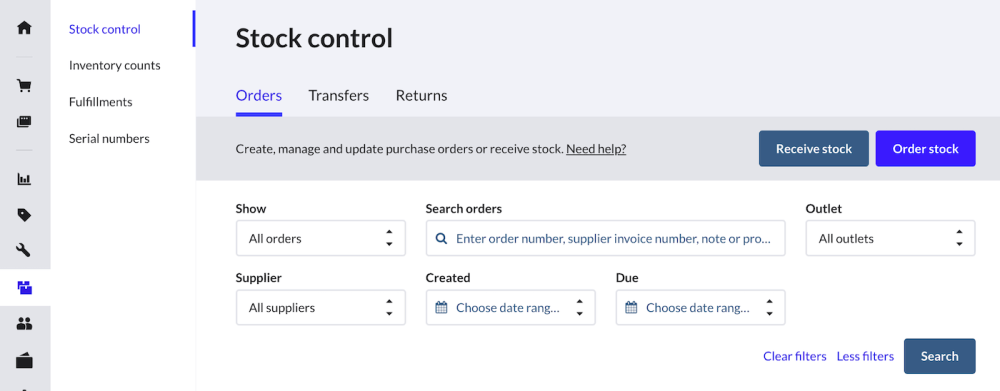
Lightspeed’s inventory management system is a powerful tool for retailers looking to streamline their stock. It also helps you anticipate needs and make informed decisions, especially during busy seasons.
Beyond showing what’s in stock, the system speeds up the ordering process. You can preorder inventory in seconds using built-in purchase orders, set reorder points and activate low stock alerts to stay ahead of inventory demands.
Staying on top of your data
Even if some patterns appear obvious, it’s critical to build your inventory based on real data rather than guesswork.
Customer demand can shift from year to year, and even small changes in buying behavior can leave you overstocked on slow movers or sold out of your most popular products. Reviewing historical sales trends alongside your current inventory levels before the season starts gives you the best chance of ordering the right products in the right quantities.
With Lightspeed Insights, you can easily view estimated sales and out-of-stock periods to keep your best-selling items available. This is especially important during back-to-school season, when you need to perform your best with the most customer attention on your store.
You can also forecast inventory demand by reviewing order recommendations for popular back-to-school items or by looking back at last year’s data. This helps you maintain optimal stock levels and avoid missing sales opportunities.
Want to make even more confident stock control decisions? Lightspeed AI can help you uncover insights hidden in your sales and inventory data.
Simply ask questions in plain language—like which products are most likely to sell out, which items are underperforming or what you should reorder next—and get instant answers backed by your business data.
Think of it as a smart assistant who’s familiar with your specific business data. With Lightspeed AI, you can quickly identify opportunities, take action and stay one step ahead of back-to-school demand
Your marketing plan for back-to-school success
Back-to-school marketing has the potential to be fun, creative and highly engaging. For most retailers, this is a major moment in the year, making it a great opportunity to connect with customers and stand out.
Market research
By exploring the broader market and industry trends, you’ll gain a better understanding of consumer behavior during the back-to-school season. Look at what your competitors and other inspiring brands are doing or have done in the past.
For example, if you’re an electronics company, look to industry leaders like Google. They run strong back-to-school campaigns every year that really highlight the key pain points parents and kids face. See if there’s anything you can incorporate or build on from their approach.
Take for example Macy’s, which took a fun, simple and creative approach to showcasing their apparel by centering an ad around first-day-of-school pictures.

Timing your marketing campaign
You want to cast a wide net with your marketing plan, so it’s smart to start talking about back-to-school at the beginning of summer. In fact, the timeline is shifting earlier.
Here’s what to consider:
- July to early August: It may still feel like the middle of summer, but this is a prime time to roll out the marketing plans you’ve been preparing. It’s your window to make a strong push toward your core audience—those who like to plan ahead. Think teachers, parents and students eager to get everything they need for a successful year.
- Mid August-Early September: Here’s where you target the procrastinators. Focus your marketing on convenience, fast delivery and efficiency. Highlight how your store can help them get what they need quickly and stress-free.
Timing by product type
Not all back-to-school items follow the same shopping timeline. School supplies and clothing are often bought earlier, while electronics and accessories are typically purchased closer to the start of the school year.
Personalize your marketing
Leverage your customer demographic data to personalize and segment your marketing emails and messages. This could include adding product recommendations or exclusive deals tailored to specific groups within your customer base.
For example, you might highlight classroom essentials for teachers, trendy apparel for teens or time-saving bundles for busy parents.
In this back-to-school ad clearly targeted at teachers, Microsoft met its audience where they were during the pandemic, making them feel heard by acknowledging the challenges of online teaching and highlighting ways to better support virtual classrooms.
Social media planning
Make sure your social media plan is well-developed. During this busy season, feeds are saturated with posts, so your content needs to stand out and stay above the fold.
You should understand which social media platforms draw in which demographics. Here are the primary age groups for each social media platform, based on Sprout Social’s Social Media Demographics Report:
| Social media | Age |
| 25–34 years | |
| 18–24 years | |
| Youtube | 18–29 years |
| Tiktok | 18–24 years |
As with any social media strategy, take the time to understand the different demographics on each platform. Jump on trends, but don’t be afraid to add your own twist. Tailoring your message accordingly will make your efforts more effective.
Another key is to stay as relatable as possible and use real-life examples. Take Amazon. They partnered with of-the-moment comedian Michelle Buteau, who created a lighthearted, funny video about saving money on her kids’ back-to-school needs.
Influencer marketing
Today, influencers and celebrities have close relationships with their followers, which gives them significant power to shape back-to-school shopping habits.
Think of a Gen Alpha influencer doing an unboxing of what’s in their bag for the first day of school, or showcasing their outfits for the first week. These videos draw in large audiences of young viewers eager to see what their favorite personalities are wearing or using to start the school year off right. This is especially true for the apparel industry.
Recently, there has been a major surge in back-to-school content on TikTok. According to Vogue, a few years ago, over 13,000 videos using the hashtag #backtoschoolhaul were posted in a single week—a 47% increase from the previous year.

When you find the right influencer for your brand, the impact can be significant—especially with micro-influencers, who often have a more personal and trusted connection with their audience. Their content tends to feel authentic, helping drive meaningful engagement with your brand.
Back-to-school selling best practices
Great retail execution turns seasonal demand into sales. Here’s how to get (and stay!) ahead.
Tackle a busy sales floor with the right tools
Back-to-school shopping brings crowded aisles, long lines and customers who are often in a hurry. The easier you make it for staff to find products, answer questions and complete transactions, the more sales you’ll capture.
Tools like Lightspeed Scanner help retailers stay agile during busy periods. Staff can instantly look up product information, check inventory availability across locations and assist customers from anywhere on the sales floor. If an item isn’t available in-store, employees can quickly locate it at another location before the customer walks away.

Scanner also helps keep inventory accurate during peak shopping periods. You and your team can conduct stock counts (even simultaneously), receive inventory, transfer stock between locations and fulfill online orders directly from a mobile device.
For retailers managing click-and-collect orders or local delivery, Scanner streamlines picking and packing to reduce errors and speed up fulfillment.
And with Tap to Pay functionality, your sales associates can complete transactions on compatible iPhone and Android devices, helping reduce checkout bottlenecks and serve customers wherever they are in the store.
Ensure seamless selling across all platforms
When it comes to a large marketing event like back-to-school, you need to ensure your omnichannel platforms are consistent and prepared for the rush. This means your branding, marketing and sales messaging should all follow a cohesive online and offline approach that helps customers get to know your brand and understand who you are.
A shoe store is a great example of a business that would benefit from going omnichannel. According to an FDRA survey, consumers tend to prefer buying shoes in person both for sizing and instant gratification, although they like to surf the web and look at shoes online before making a decision.
Another key asset for retailers is offering multiple fulfillment options like BOPIS (aka click and collect), retail lockers, online reservations, curbside pickup and local delivery. These options help keep shipping costs low and encourage customers to shop further in store.
Discounts and promos can make or break your back-to-school push
With the current economic climate, more shoppers are hunting for deals, especially on bigger-ticket items like electronics. According to Deloitte’s survey, 67% of parents are willing to switch brands if prices are too high.
Lightspeed makes offering a variety of discounts simple. You can build in automatic discounts that apply at checkout or share discount codes via email, social media or printed materials for customers to enter at checkout.
You can also schedule promotions to run discounts at specific times based on your marketing strategy, ensuring they’re applied consistently and automatically. Bundling products creates added value during high-volume shopping periods.
For example, Apple has done key back-to-school promotions over the years. One offered qualifying higher-education students a free or discounted pair of Beats headphones with the purchase of an eligible Mac or iPad Pro. A while back, they gave away AirPods with Macs or iPads, encouraging students and parents to wait for back-to-school deals and not miss out on these bundles.
You don’t have to go that big—even 10% off for teachers or free shipping can attract attention during back-to-school shopping.
Loyalty programs stand out during high-traffic periods
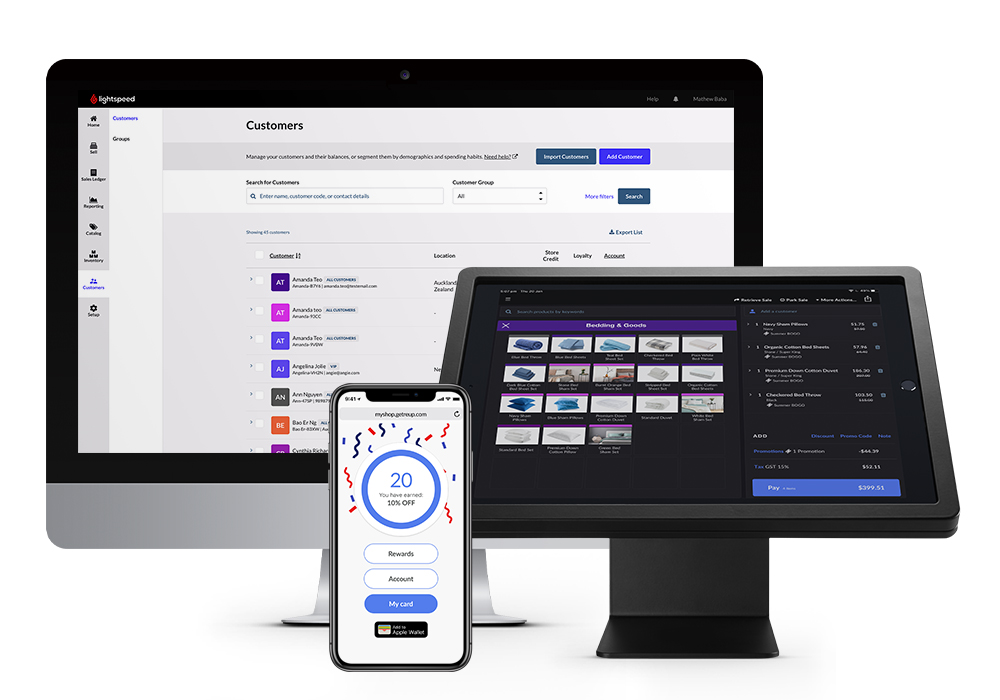
Back-to-school shopping can be overwhelming, but when customers know where to go and already have loyalty points saved up, it gives them a clear starting point. Loyalty programs help build lasting relationships and trust in a saturated market.
Lightspeed’s built-in loyalty program is seamless, card-free and requires no third-party integrations. Customers earn and redeem points whether they shop in-store or online. The platform also makes it simple to track activity and run targeted marketing campaigns, including email and SMS promotions, birthday specials, abandoned-cart reminders and behavior-based offers.
Bottom line
Winning the back-to-school rush means mastering inventory, marketing and omnichannel selling while staying flexible and customer-focused.
By using real data, planning ahead and adapting quickly, retailers can turn this hectic season into a major opportunity and keep shoppers coming back year after year.
Talk to a retail expert to learn how Lightspeed can support your business.
Already a Lightspeed customer? Log in to your account to see the capabilities in action.

News you care about. Tips you can use.
Everything your business needs to grow, delivered straight to your inbox.