
Smoke shops handle a broad range of products—tobacco, glassware, accessories and more. Balancing inventory levels with customer expectations and regulatory requirements keeps your store running smoothly and customers coming back.
Done right, inventory management helps smoke shops streamline operations and drive profitability. In this blog, we’ll go over what smoke shops need to keep in mind—like what products to stock and how to handle them:
- Essential products every smoke shop should stock
- Common inventory challenges in smoke shops
- How to optimize smoke shop inventory management
- Benefits of proper inventory management for smoke shops
Grow your retail business.
Streamline inventory, suppliers, teams and stores with Lightspeed's all-in-one platform. From intuitive POS and stock management features to powerful reporting, Lightspeed gives you the tools you need to grow.
Essential products every smoke shop should stock
Tobacco products
Tobacco is the foundation of any smoke shop.
Stock a range of cigarettes, cigars and pipe tobacco to cater to your customers’ needs and as legal in your jurisdiction. Focus on offering popular brands, different strengths and various formats, so your inventory reflects local demand.
Don’t overlook expiration dates—managing them keeps your inventory fresh and compliant with regulations.
Vaping supplies
Vaping products are in high demand, and your shelves should reflect that.
Carry a variety of e-liquids with different nicotine levels, disposable vapes and advanced devices like mods and pods.
Pay attention to what’s selling—product types and trends can shift quickly. Use your data to identify fast sellers, so you’re always stocked with what your customers want while avoiding wasted shelf space.
Smoking accessories
Smoking accessories are crucial add-on products that enhance the customer experience and draw shoppers in.
Stock essentials like rolling papers, grinders, lighters, bongs, and ashtrays in different styles and price ranges. Customers expect both function and variety, so balance basic items with unique options.
Track sales patterns to know which accessories deserve more shelf space and which can be scaled back.
Alternative products
Alternative products are a smart way to attract a wider audience.
Items like CBD oils, hemp-based products, nicotine-free options and eco-friendly tools appeal to customers looking for something different, with US consumers leading demand for CBD products. These products are especially useful for tapping into health-conscious or trend-driven markets.
Evaluate their performance regularly to keep your offerings relevant and profitable.
Novelty and gift items
Novelty and gift items are smoke shop staples. Items like custom lighters, artistic glassware, and one-of-a-kind accessories can draw in collectors or casual buyers. They may not sell as quickly as staples, but they add personality to your shop and encourage repeat visits.
Keep the selection small but thoughtful, making sure it complements your main inventory without crowding your shelves.
Common inventory challenges in smoke shops
Overstock and understock issues
Finding the right balance between too much and too little inventory is a constant challenge for smoke shops.Overstocking ties up cashand clogs up storage with products that might not sell quickly—like slower-moving accessories or seasonal items. Understocking, on the other hand, means losing out on sales, especially when it’s high-demand products like vape liquids or rolling papers.
Staying ahead means tracking sales trends as they happen. Using those insights to fine-tune reorder points and stock levels helps you align inventory with customer demand while avoiding wasted resources.
Expiry dates and product rotation
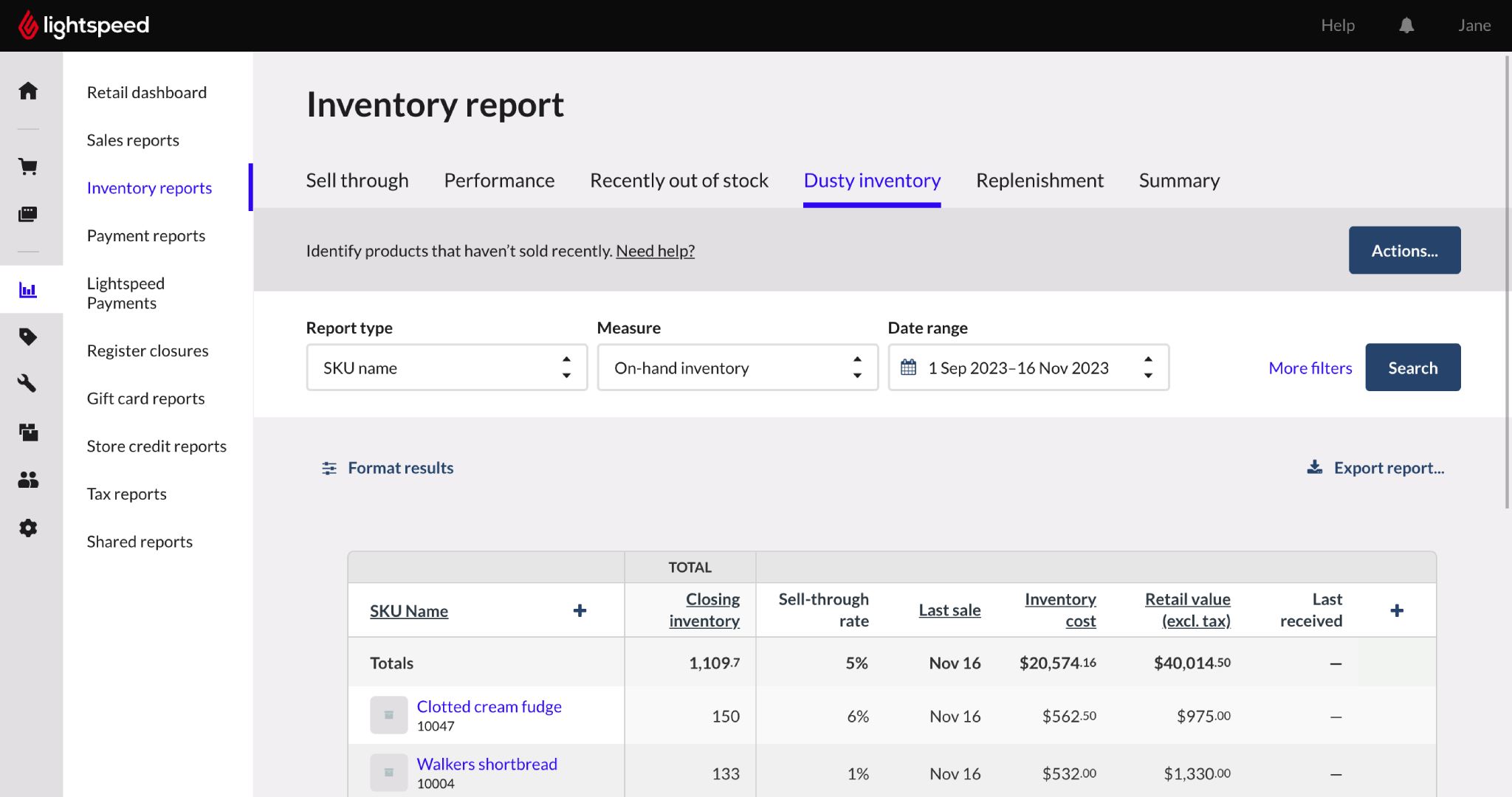
Products like tobacco and CBD edibles don’t last forever. Letting them sit past their expiration dates can lead to unnecessary losses. Even items without set expiration dates—like lighters or grinders—can lose appeal if trends shift and they’re left unsold for too long.
Rotating products regularly ensures older stock sells first, minimizing waste. Systems like Lightspeed can identify slow sellers help you boost profitability and keep inventory fresh.
Seasonal demand fluctuations
Seasonal trends can shake up what your customers want. Holidays often drive demand for giftable products like premium glass pipes, while summer might call for portable, travel-friendly options.
Without planning, it’s easy to either run out of stock during peak times or get stuck with excess inventory once demand fades.
Reviewing past sales data is key. When you know what to expect, you can adjust your purchasing ahead of seasonal shifts, so you’re stocked up when your customers need it most.
How to optimize smoke shop inventory management
Real-time inventory tracking
Keeping track of your inventory in real time is the easiest way to ensure shelves are always stocked with top-selling products. Running out of high-demand items—like vape coils or rolling papers—pushes customers to shop somewhere else, which hurts business.
Real-time tracking takes the guesswork out of managing stock levels. An inventory system like one in Lightspeed’s POS system for vape stores that syncs sales data with stock updates automatically after every transaction. You’ll always know what’s available, what’s running low and what needs to be reordered. It’s a straightforward way to keep operations efficient and customers happy.
“With Lightspeed, we know which two items are most likely sold together, so it’s much easier for us to tell our employees, if they’re coming in for this item, try to sell it with that item.”
Kevin Millama, General Manager, Vaping the Way
Integrated alerts and reordering
A POS that tracks stock levels is an efficient way to stay ahead of inventory problems. When critical items like e-liquids or premium cigars are running low, low stock reports give you time to restock before shelves are empty. This avoids stockouts while also preventing overstocking.
Reordering is even easier with an integrated system. In Lightspeed, for example, when products hit their reorder points, purchase orders can be generated from an easy report and automated recommendations with minimal manual effort. It’s a quick, streamlined process that ensures smarter purchasing decisions while saving time.
Utilizing sales data for smarter purchases
Sales data is a roadmap for smarter inventory decisions. It shows you which products are moving fast, which ones aren’t and when certain items are in higher demand. Using this data, you can refine your inventory strategy to focus on what works and cut back on what doesn’t.
For example, if portable vaporizers outsell larger models, you can adjust stock levels to reflect that demand. The same applies to seasonal or trend-driven products. By letting data guide your decisions, you’ll keep inventory lean while ensuring shelves are stocked with the right products.
Efficient stock rotation
Rotating stock effectively keeps products fresh and ensures older inventory sells first. For items with expiration dates—like CBD edibles or pipe tobacco—a first-in, first-out (FIFO) system is essential to avoid waste. Even non-expiring items benefit from rotation to maintain their appeal.
Regular stock audits make this process easier. They help you spot slow-moving products or inventory that’s been sitting too long. Paired with real-time data, audits allow you to make timely adjustments so nothing lingers on the shelves. Efficient stock rotation keeps your inventory working for you—not against you.
Benefits of proper inventory management for smoke shops
Maximized profitability
Good inventory management means your money is tied up in products that actually sell. Tracking sales trends helps you focus on high-demand items while avoiding overstocking slow movers. Rotating stock efficiently also cuts down on waste—especially for anything perishable or trend-driven—ensuring your margins stay strong.
Improved customer satisfaction
Customers expect to find what they came for. Running out of popular items like vape pens or premium cigars pushes them to shop elsewhere. Keeping shelves stocked with what your customers want builds trust and keeps them coming back.
Streamlined operations
Disorganized inventory slows your team down. An organized system means less time searching for products and more time helping customers. Real-time tracking also takes the guesswork out of reordering, so shelves stay full without crowding your storage space.
Better inventory control
Without proper control, issues like theft, shrinkage or over-ordering can eat into profits. Regular audits and automated tracking catch problems early, so you stay ahead. This kind of control also keeps you compliant—especially with regulated products like tobacco or CBD.
Data-driven decision-making
Your inventory data is a roadmap for smarter decisions. It shows what’s selling, what isn’t and when demand changes. Whether you’re adjusting stock levels, phasing out slow sellers or planning for seasonal trends, data ensures every product in your store is working for you.
Stock your smoke shop well
A well-planned inventory is the backbone of any smoke shop. Tobacco, vaping supplies, smoking accessories and novelty items keep customers coming back. Incorporating vape store marketing ideas can further support the mix you choose to stock. Stocking the right mix in the right amounts ensures your shelves meet demand without tying up money in products that don’t sell.
Inventory management is more than just keeping track of stock. It’s about running a smoother operation, staying ahead of trends and cutting down on waste. Tools that automate reordering and provide clear sales insights help you avoid stockouts, reduce overstock and keep your bestsellers front and center. When inventory is under control, customer satisfaction and store performance improve across the board.
Talk to an expert to see how better inventory management can help your smoke shop grow.

News you care about. Tips you can use.
Everything your business needs to grow, delivered straight to your inbox.