Starting an ice cream truck business can be an excellent choice for an entrepreneur launching a career.
The financial barriers to entry aren’t overwhelming, and, to some extent, the business allows a fair amount of flexibility regarding hours. Also, an ice cream truck business is highly scalable. To expand, all you need to do is to purchase a second truck.
If you’re interested in learning how to start an ice cream truck business, take a look at some of the unique considerations and steps involved in this delicious business.
- Resources you need to start an ice cream truck business
- Decide what type of ice cream you want to sell
- Choose and purchase your equipment
- Plan and optimize your route
- Select your vendors and plan for inventory storage
- Obtain the needed permits and licenses
- Comply with all local health department regulations
- Purchase the appropriate insurance
- Advertise your ice cream truck business
- Develop alternative revenue streams
- Build a loyal customer base
- Don’t forget health-conscious customers
- Stay on top of your truck’s maintenance
Looking to promote your new ice cream truck?
You don’t need to hire a professional designer to have a professional-looking promotional flyer. We've got 7 flyer templates for you to download and personalize. Tweak, change colors and add your images. It’s that simple.
1. Resources you need to start an ice cream truck business
Starting a mobile food business requires a clear understanding of the financial and operational resources involved. While the barrier to entry is lower than a brick-and-mortar restaurant, the initial investment is still significant. A comprehensive ice cream truck business plan serves as the roadmap for these expenditures and helps secure financing if capital is limited.
This plan outlines your projected revenue, operational costs and growth strategy. It forces you to consider how to start ice cream truck business operations that are sustainable rather than just seasonal, drawing on the same fundamentals as any food truck business. When calculating ice cream truck startup costs, you can expect to spend anywhere from $10,000 for a used vehicle to over $60,000 for a new, custom-fitted truck.
Beyond the vehicle, capital is required for initial inventory, a point of sale (POS) system and marketing materials. You also need to budget for a commissary kitchen, as most health departments prohibit storing commercial food inventory at a private residence.
Estimated startup cost breakdown:
- Vehicle acquisition: $10,000–$60,000+
- Initial product inventory: $500–$2,000
- Permits and licensing: $100–$1,000 (varies by municipality)
- Insurance premiums: $1,000–$4,000 annually
- Commissary fees: $500–$1,500 monthly

2. Decide what type of ice cream to sell
While most traditional ice cream trucks sell ice cream novelties, some do well selling soft-serve ice cream or hard ice cream. Novelties are by far the easiest choice since the main requirement is sufficient freezer space. It also reduces some of the food handling concerns that come with running an ice cream truck business since the ice cream is pre-packaged. Your inventory will also be easier to manage and keep track of. When starting an ice cream truck business, this is one aspect you’ll want to take your time deciding on. Consider your options carefully because it will have a profound impact on everything from your branding to the demographic you attract and most importantly your bottom line.
Though inventory management for pre-packaged ice cream might be easier, a truck that sells soft serve or hard ice cream has the potential to be more profitable. The variations are virtually limitless with this kind of product. You can vary prices by the scoop, combination of ice cream flavors, toppings and more, all of which makes your offerings more appealing to potential customers. Also, if you’re selling soft serve or hard ice cream, you still have the option to add novelties to your inventory such as prepackaged goods.
Nevertheless, if you make a commitment to serve soft serve or hard ice cream, you must plan on a more significant investment in equipment and staffing. Even your truck may be more expensive. As a result, making the novelties versus soft-serve/hard ice cream decision is one of the most crucial you will make as you plan your ice cream truck startup.
3. Choose and purchase your equipment
POS System
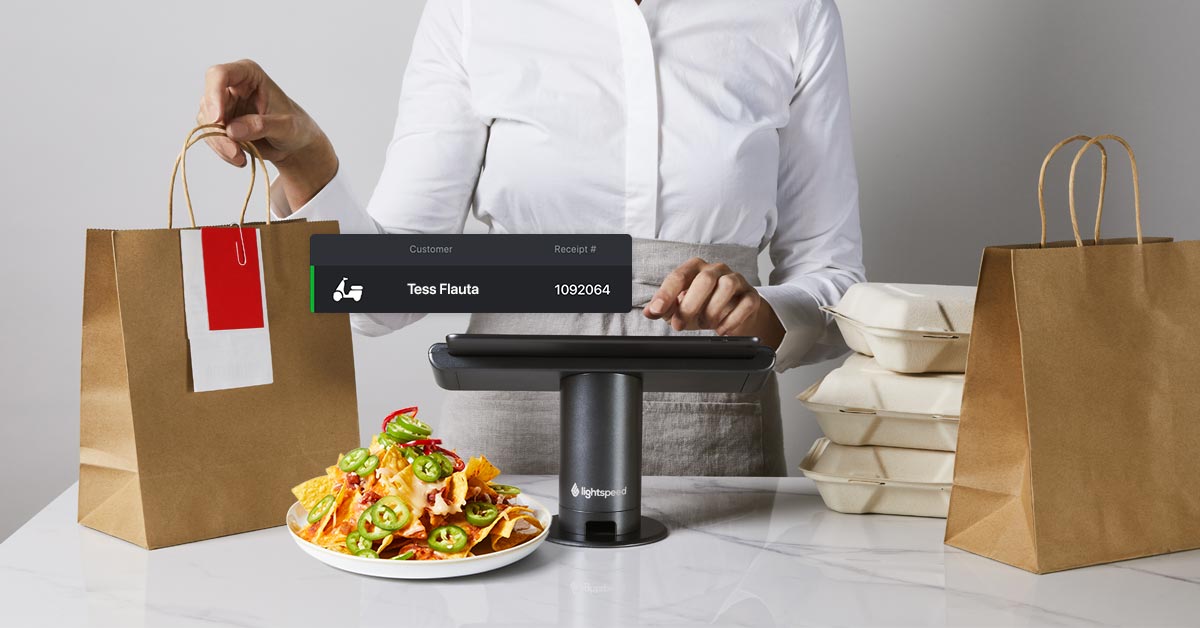
Among equipment you’ll want to consider when starting an ice cream truck business is an iPad-based point of sale (POS). Since most ice cream trucks get by with a calculator and a cash box, you might be wondering if the added cost of a POS system is necessary. It all comes down to your long-term business objectives. If the goal of your ice cream truck business is to grow into a thriving, profitable venture, investing in technology that speeds up transactions, simplifies inventory management and provides your business with actionable insights is key.
Starting off your business with a modern cloud-based POS will ensure that you put your best foot forward, improving productivity and automating some of the grunt work that comes with running a business. You can maximize sales by accepting a variety of payment types (cash, credit, or Apple Pay), monitor sales trends in real-time even when you’re away from your business, collect customer email addresses to encourage repeat visits and create a profitable ice cream truck menu by quickly identifying top-selling items.
Freezers and ice cream machines
You will, of course, need freezers, which should be bolted to the frame and floor of your truck. It’s a good idea to hire a professional refrigeration mechanic to make sure your freezers have the proper power supply and maintain the proper temperatures. When starting an ice cream shop, this is one corner you don’t want to cut. Problems with your refrigeration system can destroy your entire inventory in a matter of hours, costing you hundreds if not thousands of dollars in lost revenue.
You can choose from either commercial chest freezers, which are typically between five and eight feet long, or from smaller, non-commercial freezers. To determine which type of freezer you should invest in, calculate the floor space you have available in the truck and estimate how much space you’ll need to store a full day’s worth of ice cream. Don’t forget to factor in enough space to move around within the truck.
If you’ve decided to serve soft-serve ice cream, you’ll need the appropriate equipment to create and dispense the ice cream. Also, you’ll need a generator to keep all of this equipment running. Another option is an inverter, which converts the 12-volt power of your truck’s battery to the 110-volt power needed to power the freezers and ice cream machines.
Additional equipment
Other equipment you might need when starting your mobile ice cream business includes a music box and an amplification system that lets people know you’re coming. Consider getting a canopy to shelter customers from the sun as they place their order. You can also invest in decorative signs to let people know what they can buy from you, and specialized equipment needed for additional treats you might want to offer, such as shaved ice or slushies.
Make sure you also have the bowls, scoops and spoons you need—and don’t forget to stock up on plenty of napkins! Remember, you’ll also need adequate shelving to hold all these items.
It’s also important not to forget safety equipment. Flashing lights to place on the top and rear of your ice cream truck let pedestrians and traffic know you’re parked, and to help warn them that there are children around your truck or van. A backup alarm that sounds a warning whenever you put your truck into reverse is also a good idea, especially if you plan to set up in parking lots.
4. Plan and optimize your route
Driving aimlessly wastes fuel and adds unnecessary wear to your vehicle. A strategic route plan helps maximize revenue per mile. Your ice cream truck business plan should identify high-density areas such as parks, beaches, sports complexes and residential subdivisions.
However, you cannot simply park anywhere. Zoning laws and local ordinances determine where mobile vendors can operate, and some cities restrict sales within a certain distance of schools or brick-and-mortar restaurants.
Your route should also adapt to the seasons. In regions with harsh winters, you may need to store your truck until spring. During the summer, areas near schools may be less profitable when classes are not in session. Launching at the start of summer can help you capture the largest possible audience.
Over time, POS data helps you fine-tune your route. By reviewing sales reports, you can identify which locations perform best at specific times of day.
For example, a park may generate strong sales on Saturday mornings but slow down on Sunday afternoons. These insights allow you to eliminate low-performing stops and focus on areas with the highest demand.
Route optimization strategies:
- Cluster stops: Group stops in the same neighborhood to minimize driving time.
- Time-block zones: Dedicate specific days to specific zones to build routine.
Analyze traffic patterns: Avoid school zones during drop-off and pick-up times to prevent delays.
5. Select your vendors and plan for inventory storage
Since ice cream and ice cream novelties are readily available, you can shop around to find the items you want at the best prices. Look for commercial vendors to give you the best possible profit margin. Though not the most cost efficient, if you need to refill your inventory at the last minute, you can purchase treats and supplies at the local supermarket or warehouse club such as Costco or Sam’s Club. This is a good last-minute option during a sales surge on a hot summer’s day.
Remember that your need for a freezer won’t end when you finish your daily route. Unless you plan to sell out and restock each day, you’ll need a freezer available at the commissary where you store your truck each night so you don’t lose all your inventory.
6. Obtain the needed permits and licenses
Before you even put your truck into gear, if you’re learning how to start an ice cream truck business, you need a business license. So, contact your county clerk’s office or another appropriate government office to apply for one. You may have to pass a written exam to obtain the licenses you need. You may also need a special permit to sell food in the street. In some jurisdictions, you may also need a peddler’s permit from the police department. If you plan to buy your ice cream and other supplies wholesale, you might also need a resale permit. Not one of these permits or licenses is more important than the others when starting your ice cream truck business. In other words, if you address all but one, you can still be fined or even shut down indefinitely. So make sure to do your research and acquire 100% of the permits and licenses you will need.
States or provinces, cities and counties all have separate permits regulating the sale of food, so make sure you sit down with the appropriate licensing office at each level to fill out the proper paperwork. If your route goes through more than one city, you’ll need to get the appropriate permits and licenses for every city you’re selling in.
You also need to file your business with your state or province’s tax office and with the Internal Revenue Service and Canada’s Revenue Agency. Apply for an Employer ID Number, which is required on all your tax forms. You may also be subject to city tax, so make sure you learn and comply with those requirements as well.
7. Comply with all local health department regulations
Even if you’re selling pre-packaged novelties, you’re going to have to meet the requirements of your local health department. These typically go beyond the licenses and permits you’ve already dealt with, though there might be some overlap. Start with your city’s health department to learn the regulations you’ll be working under and what you must do to be compliant.
If you only sell pre-packaged ice cream novelties, you are probably exempt from regulations regarding food handling. However, even if you’re just dispensing soft-serve ice cream from a machine or scooping out a cone of vanilla ice cream, you’re now preparing food and must meet the requirements regarding food preparation and handling.
In fact, you won’t be able to set out on your first route until you’ve met those requirements. You can expect to be regularly inspected by health inspectors, including an inspection before you hit the road. The inspectors will want to see all your paperwork, including licenses, permits and proof of ownership of your ice cream truck.
The health inspectors will make sure your truck meets the health codes. They will want to see that your freezers are operating at the right temperature and that any machines and water lines in your truck are clean and working properly. They may also want to inspect the facility in which you store your truck as well as any commercial kitchen you’re using as a supplier. If you don’t pass your health inspection, you’ll have to pay a fine, possibly a high one, and you’ll have to correct any infractions of the health code before you’re permitted to operate.
8. Purchase the appropriate insurance
Any food truck business—including an ice cream truck business—requires not only the standard types of business insurance but also those that apply specifically to motor vehicles and food operations. Make sure you have overall liability insurance and business owner’s insurance. Also, if you have employees, you need workers’ compensation and disability insurance.
Because an ice cream truck business is a mobile business, you will also need comprehensive and collision motor vehicle insurance, as well as kitchen insurance. Consult with your insurance agent to find the right blend of policies.
One of the great appeals of this venture is that while you are learning how to open an ice cream truck business, and taking the first steps, you can run the whole operation yourself. However, if you’re focused more on growing your business than the daily activities, you may want to take a more passive role and hire at least one employee to drive, scoop, sell and serve.
Lucky for you, selling ice cream doesn’t require lots of training or expertise, so it’s a great first job for young people either still in, or just out of high school. Make sure that whoever you hire has an excellent driving record. Also, look for employees who relate well to children and have a friendly demeanor. It’s also wise to run a background check on any potential employees, especially because they will be interacting with kids.
Once you’ve hired staff, you need to set up payroll. You can handle this yourself, or hire a payroll service that will not only take care of processing and delivering paychecks, but will also handle all your tax reporting and withholding responsibilities.
9. Advertise your ice cream truck business
While the music box is a classic advertising tool, modern businesses need a broader strategy. A professional, eye-catching vehicle wrap makes your truck instantly recognizable and serves as a moving billboard.
Embracing social media
Social media platforms are powerful tools for mobile businesses. You can use Instagram or Facebook to post your daily route and real-time location. This turns your truck into a destination rather than just a random encounter.
Encouraging customers to tag your truck in their photos creates organic reach. You might offer a small discount for customers who post a photo of their treat, effectively leveraging their network to advertise your business.
10. Develop alternative revenue streams
Relying solely on street sales exposes your business to weather risks and seasonal fluctuations. That’s why it can be really beneficial to diversify your income through private events in order to create a more stable financial foundation.
Other lucrative opportunities that go beyond street sales include weddings, corporate appreciation days and birthday parties. These events typically involve a flat fee or a guaranteed minimum, ensuring you make a profit regardless of individual sales.
Festivals and community fairs are also a great option, offering high volume, but they often come with vendor fees.The speed of your service becomes critical in these settings. A fast POS system ensures you can process transactions quickly to keep the line moving and maximize revenue during the event window.
11. Build a loyal customer base
Building a loyal customer base transforms a transactional business into a community staple. Loyalty programs encourage repeat visits. A simple digital loyalty program integrated into your POS can track customer visits and offer a free treat after a certain number of purchases.
It’s important to remember that engaging with the community goes beyond discounts. You might name a special sundae after a local school mascot or run a contest for customers to invent a new flavor combination. These small touches create an emotional connection with your brand.
Lightspeed has a robust loyalty programthat helps you build long-term, meaningful relationships with your customers. With a range of options, retailers have the flexibility to create the exact loyalty plan that makes sense for their ice cream truck business.
12. Don’t forget about health-conscious customers
Consumer preferences are shifting, and offering options for different dietary needs can expand your customer base. Stocking dairy-free, gluten-free or low-sugar alternatives ensures that you don’t lose a sale because a group has one person with dietary restrictions.
Fruit bars made with real fruit or coconut-milk-based ice creams are popular alternatives. The key here is to market these options clearly on your menu board, signaling to parents or guardians that you care about quality and inclusivity.
13. Stay on top of your truck’s maintenance
Your truck is your storefront. The truth of the matter is, regular preventative maintenance is less expensive than emergency repairs and lost revenue.
Routine checks should include the engine, tires and the refrigeration system. Unlike other vehicles, the compressors on freezers work hard, especially in summer heat, and require regular cleaning of condenser coils to function efficiently.
Keeping a maintenance log helps track when services are due. This diligence ensures the longevity of your vehicle and protects the inventory inside.
Get ready to serve great on-the-go experiences
Starting an ice cream truck business is a smart choice for entrepreneurs who want to launch a venture without a large upfront investment. As you build brand recognition and become the go-to ice cream vendor in your town, you can start thinking about expansion. Adding a second truck and opening new routes allows you to increase your reach, serve more customers and steadily grow your ice cream empire.
Itching to get started on your ice cream truck dreams? Talk to an expert to learn how Lightspeed can help grow your business.

News you care about. Tips you can use.
Everything your business needs to grow, delivered straight to your inbox.