
There’s no question that one of the biggest challenges growing retailers face is managing inventory across multiple locations. The key? An all-in-one platform.
When multi-location inventory management isn’t centralized, you can lose sight of valuable stock and the impact on your business can be significant. Without one unified system you risk delayed updates and disconnected tools that can lead to stockouts in one store and overstock in another. These issues can slow operations and reduce profitability.
To stay competitive, retailers need systems that provide real-time visibility across every site. A strong strategy and the right inventory management tools keep products moving, reduce shrinkage and are essential for delivering a smooth customer experience no matter where shoppers buy.
- Understanding multi-location inventory challenges
- Centralized inventory management systems
- Leveraging cloud-based POS integration
- Best practices for multi-location inventory management
- Enhancing customer experience and loyalty
- Choosing the right multi-location inventory solution
Streamline your multi-location business
Struggling with stock across multiple locations? Real-time insights and centralized inventory systems make it easier to balance stock levels, reduce shrinkage and keep customers happy.
Understanding multi-location inventory challenges
Expanding your business to multi-locations can be extremely profitable, but it comes with real risk. As a retailer, you may be able to manage inventory for one store, but once you shift to multi-location inventory management, the level of complexity can grow exponentially.
Any disorganization becomes more costly. You need to avoid inconsistent stock data across stores, inaccurate reporting and outdated numbers. That’s why real-time visibility is a crucial part of growing your business. Without understanding each store’s activity, you can’t identify which products sell quickly or which locations face shortages. Siloed reporting slows decision-making and reduces operational efficiency.
These challenges can be amplified by supply chain issues because managers don’t know when or where inventory needs to be replenished, which makes it harder to maintain balanced stock levels and protect revenue.
Effective multi-location inventory management requires connected systems that provide instant updates and a unified view of performance across every location.
Lightspeed Insightsgives retailers in-depth inventory tracking and data-driven order recommendations, so you can maintain visibility across all your locations and keep your business running smoothly.
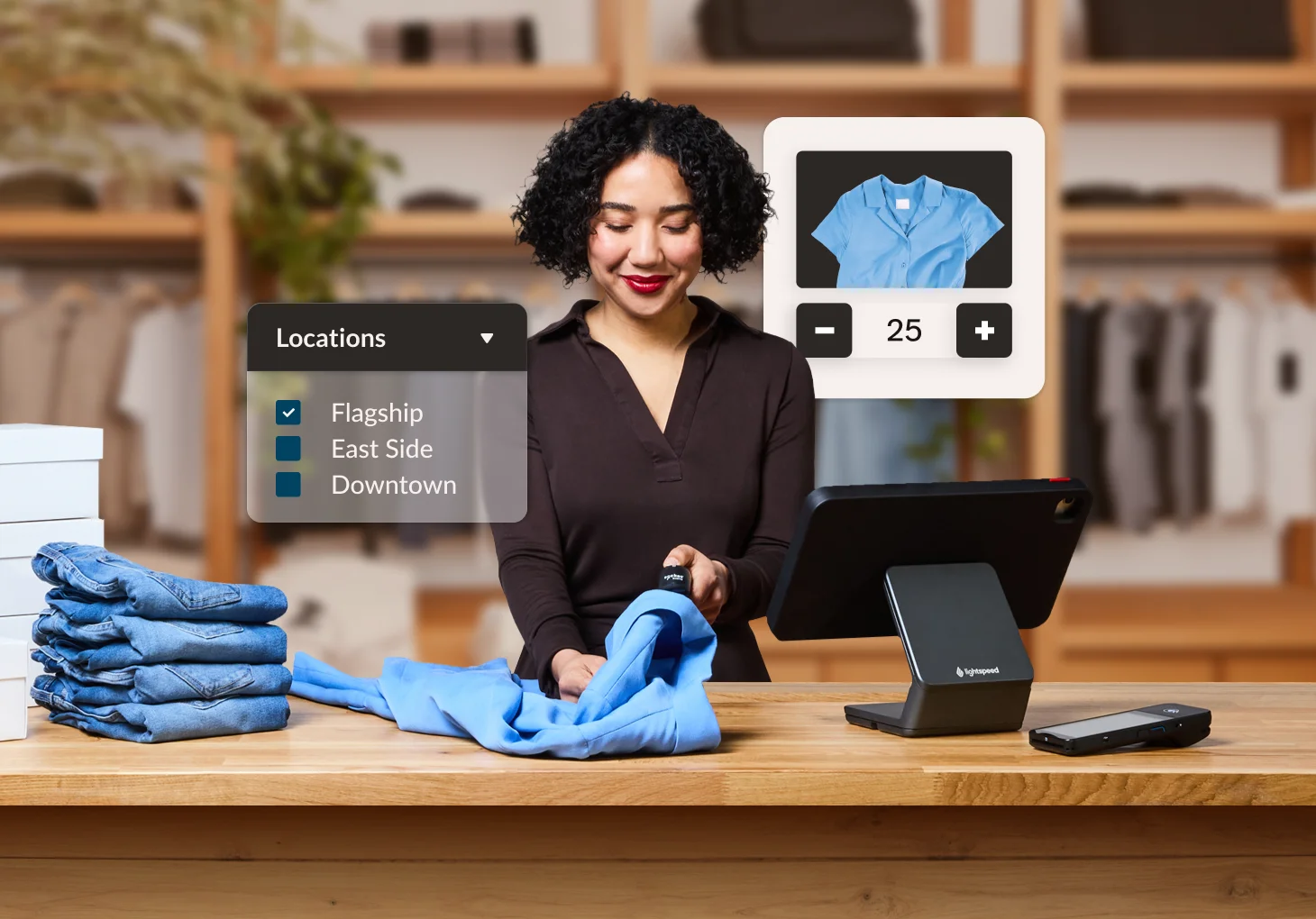
Optimize your sales with a centralized inventory management system
Centralized systems make inventory management across multiple locations far more straightforward. They bring everything together on one platform with real-time sales numbers, stock levels and reorder controls. This ensures you’re always working with accurate, up-to-date data. Every location connects to a single source of truth, which eliminates guesswork and keeps operations running smoothly.
With unified dashboards, it’s easy to track what’s happening across all your stores. You can monitor performance, shift inventory where it’s needed and spot trends without juggling multiple reports. Automated replenishment tools save time by preventing overstocking or stockouts and adjusting inventory based on real-time activity.
Forecasting also becomes more accurate when all your data is centralized. Fewer errors, stronger compliance and less time spent on manual tasks mean you can focus more on growth. A centralized system not only simplifies operations, it gives you the control and efficiency needed to scale your business profitably.
Jessica Beck, co-owner of Urban Garden, explains that Lightspeed has helped them keep their inventory organized. “The only way I can make accurate decisions is by going back to my reports,” and with Lightspeed, Jessica can pull every report she needs without being tethered to the POS.
To stay competitive, retailers need inventory management strategies that unify data, improve accuracy and streamline operations across every site.

Leverage a cloud-based POS
As a retailer, one of the best ways to strengthen multiple location inventory management is with a cloud-based POS platform. Cloud systems connect sales, inventory and compliance data in real time. Each transaction updates stock counts instantly, giving managers an accurate view of inventory across all sites.
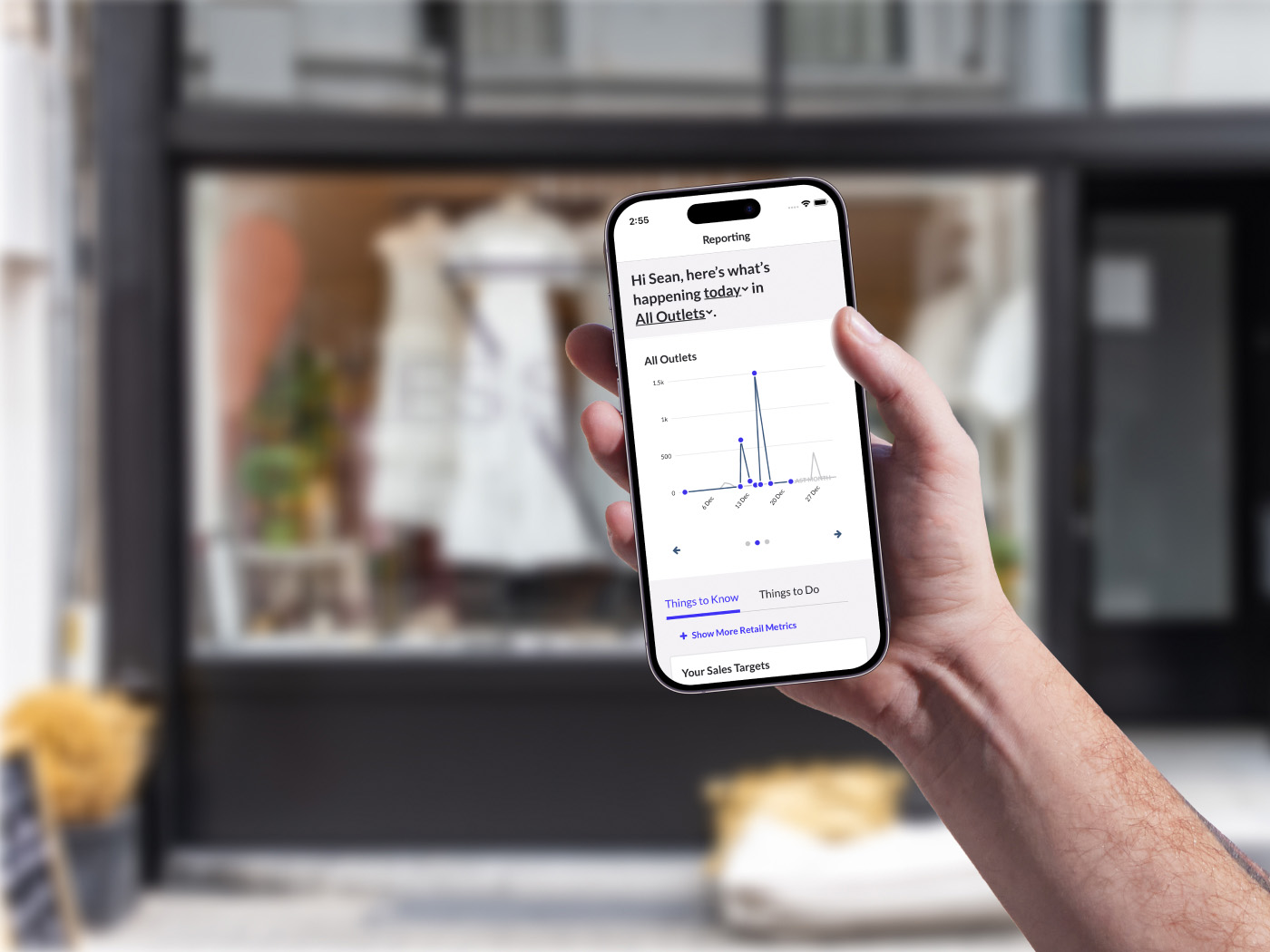
A cloud POS also helps keep your team proactive. Automated low-stock alerts and purchase orders ensure nothing slips through the cracks, and store transfers become smoother because the POS shows exactly where products are needed. This level of visibility supports fast decision-making and helps retailers keep products moving efficiently across the entire network.
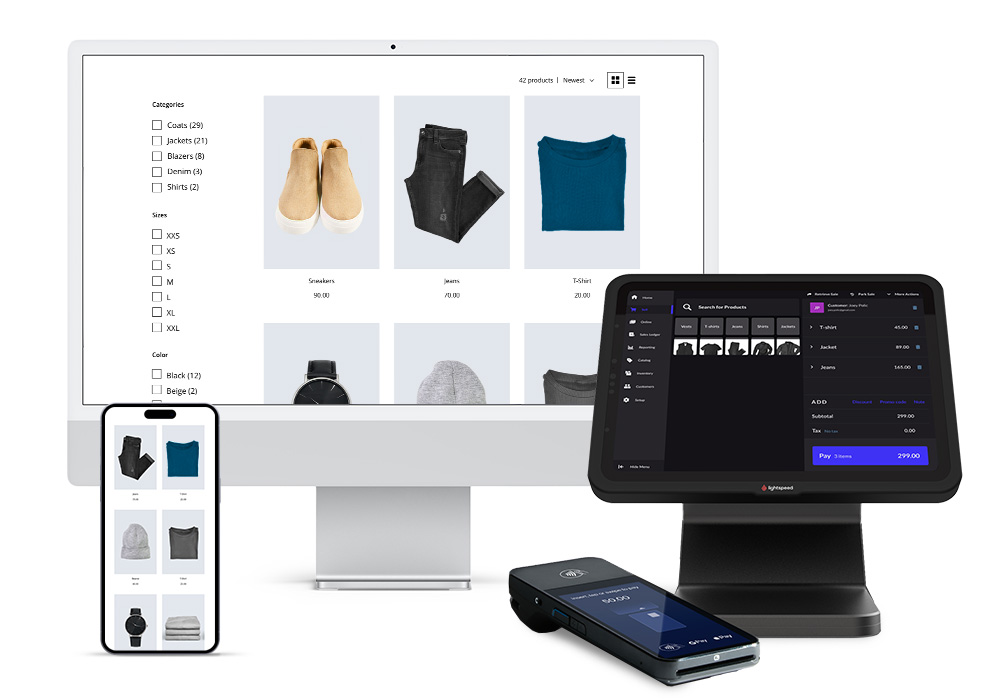
Connected ecommerce and in-store operations ensure customers always see accurate stock availability. WithLightspeed eCom, you can manage everything from one platform with centralized inventory, order management, pricing and more.
Implement best practices for multi-location inventory management
Strong processes are essential for multi-location inventory management. The following best practices keep operations efficient and data driven.
Implement standard operating procedures (SOPs) for receiving, storage and audits
Clear guidelines for receiving, storing and auditing inventory keep every location aligned. Consistency avoids confusion, reduces mistakes and helps teams work together seamlessly.
Use SKU-level and batch tracking for consistency in reporting
Assign unique identifiers to products and batches to track inventory accurately across locations. This reduces guesswork, uncovers discrepancies and highlights sales trends.
Leverage data analytics for demand forecasting
Use historical sales patterns, seasonal shifts and local preferences to guide smarter stock allocation. Predictive analytics helps prevent overstock and stockouts while keeping shelves balanced.
Schedule regular cycle counts and audits
Cycle counts and audits flag inconsistencies early and help maintain accurate stock levels. When paired with real-time updates, they reduce shrinkage and keep data reliable.
Automate stock transfers between stores to match local demand
Instead of reacting late, use tools that shift inventory based on sales trends and local demand. Automation keeps you nimble, ensuring every location has what customers need.
Use predictive restocking rules to avoid overstock or stockouts
Set reorder points based on sales data and supplier lead times. Predictive restocking prevents shortages and excess stock, supporting efficient operations and happy customers.
Enhancing Customer Experience and Loyalty
Managing inventory in multiple locations influences more than operations. It directly impacts customer satisfaction. A POS system that tracks purchase history allows businesses to offer personalized promotions that align with what customers actually want. Shoppers appreciate feeling understood and tailored offers encourage them to return and buy again.

Loyalty programs take this a step further by rewarding repeat customers. Simple systems like points programs or exclusive discounts give shoppers a reason to stay loyal. For vape and smoke retailers, where customers have plenty of options, these programs can set you apart from competitors.
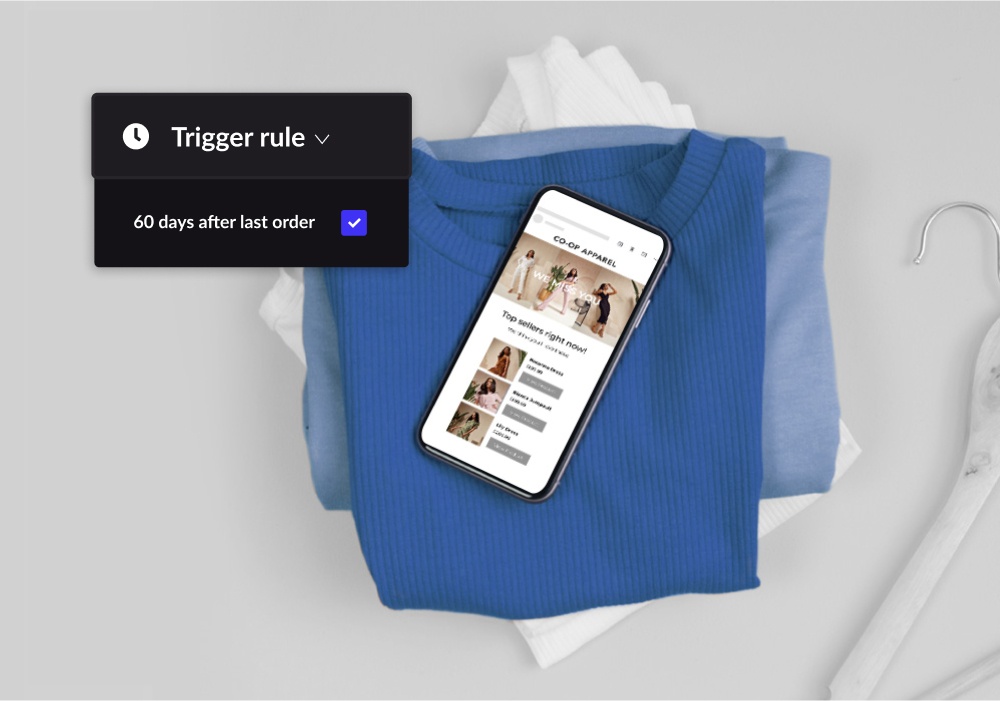
Speed matters too. Fast and accurate checkout experiences reduce friction and keep shoppers happy, especially in competitive markets like vape and smoke retail where customers expect convenience and consistency.
Choosing the right multi-location inventory solution
The right multi-location inventory management system isn’t just a nice-to-have, it’s the backbone of an efficient operation. Your system needs to handle what you’re managing today and be ready for expansion, whether that means new stores, warehouses or additional sales channels.
Real-time synchronization across multiple locations is just as important. A system that keeps inventory updates accurate and instant prevents stockouts, overstocking and the headaches that come with outdated data. If it integrates with ecommerce platforms, even better because you’ll keep your online and in-store stock aligned without extra effort.
Don’t overlook compliance and usability. A good system supports regulatory requirements while staying user friendly for your team. When everything works together, you minimize complexity and make faster, smarter decisions every day. The right solution grows with your business and helps you stay ahead of customer demand.
Lightspeed’s inventory management system can connect you to suppliers, speed up your ordering, track your stock across channels, easily update prices and so much more across multi-locations.
The bottom line
Effective inventory management for multi-locations is essential for long-term retail success. A centralized, scalable system provides real-time visibility, reduces mistakes and helps businesses stay efficient as they grow.
With cloud POS integrations, automated replenishment and smart forecasting tools, retailers can avoid stockouts, prevent overstock and reduce shrinkage. Centralized reporting gives managers the insight they need to make better decisions and deliver seamless customer experiences.
When you manage multiple location inventory with the right systems and processes, your business gains the control and accuracy needed to stay profitable and ready for expansion.
Talk to an expert to see how the right system can help you scale efficiently and keep your business moving forward.

News you care about. Tips you can use.
Everything your business needs to grow, delivered straight to your inbox.