
Transforming your skateboarding passion into a thriving business starts with understanding what makes a great skate shop work. The most successful shops serve as the beating heart of local skate culture—the essential hangout where the community shares tricks, stories and that unmistakable energy. Your shop can become the central hub where newcomers get their first setup and pros drop by to check out the latest gear, creating a space that nurtures the very culture that inspires your business.
But passion isn’t enough. Success comes from knowing your market, understanding what skaters actually want and running your operations with the same precision you’d use to land a new trick. From inventory management to building your team, every detail matters—whether you’re selling in-store, online or both.
This guide walks you through each step: picking the right location, curating your inventory, working with distributors and designing a space that feels authentic to your scene. Here’s how to set up a shop that stands out and thrives.
- How much money to start a skate shop?
- Step 1: Conduct market research
- Step 2: Craft your business plan
- Step 3: Secure funding
- Step 4: Choose your location and setup shop
- Step 5: Source and manage your inventory
- Step 6: Build your online presence and marketing strategy
- Step 7: Establish operations and technology
- Step 8: Hire and train knowledgeable staff
- Step 9: Plan your launch
Grow your retail business.
Streamline inventory, suppliers, teams and stores with Lightspeed's all-in-one platform. From intuitive POS and stock management features to powerful reporting, Lightspeed gives you the tools you need to grow.
Key takeaways
Opening a skate shop takes planning and a solid grasp of the skateboarding market. You need to know who your customers are, what they want and where your competition may be leaving gaps. Everything starts with a clear business plan—it’s where you’ll map out your vision, funding approach and goals for running your shop.
- Stay connected to the market: Skateboarding trends shift fast, so staying in tune with the community is a must. Know the products your customers want—whether it’s specific deck shapes, apparel or accessories that reflect skate culture.
- Choose the right location: Your shop’s location can make or break its success. Look for a spot near skateparks or areas where skaters naturally gather. The right balance of visibility, accessibility and cost is how you’ll attract consistent foot traffic.
- Stock strategically: A profitable inventory includes a mix of hardgoods—like decks, trucks and wheels—and softgoods, including apparel. Build strong connections with distributors to secure products your customers care about. Stay sharp on trends, but always manage stock with your margins in mind.
- Leverage technology: Use tools that keep your operations running efficiently. Inventory systems that track stock levels and highlight sales trends help you avoid overstocking or running out of popular items.
- Build a loyal community: A skate shop is more than just a store—it’s a meeting point for skaters. Hosting events, supporting local skaters and creating a welcoming vibe build customer loyalty that goes beyond transactions.
The key to success is blending your passion with smart planning. When you focus on what the skateboarding community values, while staying organized and efficient, your shop is set to thrive.
How much money does it take to start a skate shop?
Let’s talk dollars and sense. Launching a skate shop requires planning for every expense, big or small.. Most shops need between $50,000 and $100,000 to get rolling. Your costs will depend on where you set up, how much space you need and just how deep you want your inventory to run. Get your budget right from the jump to keep your dream from running out of steam before it even starts.
- Lease and utilities: Rent’s usually the biggest slice of your pie. A shop near a high school or skatepark might cost more, but the foot traffic can pay off fast.
- Inventory: Stocking up on decks, trucks, wheels, and apparel can run you $20,000 to $50,000 up front. Mixing top sellers with some hidden gems keeps your shelves—and your regulars—happy.
- Build-out and equipment: Making your space feel like a legit skate shop (not just another retail store) means investing in displays and a solid sporting goods POS system. Expect to spend $10,000 to $25,000 here.
Don’t forget other crucial elements like permits, insurance and marketing. Spend wisely at the start, and you’ll set your shop up to grow, not just survive.
Step 1: Conduct market research
Every legendary skate shop starts with one thing: knowing the scene. Your passion is the secret sauce, but research gives your business a backbone. If you want to build something that lasts, you’ll need to match your energy with strategy.
Analyze the skateboarding market landscape
Look around—what’s hot in the skate world right now? Maybe it’s eco decks, maybe it’s Olympic buzz, maybe it’s streetwear that doubles as skate gear. Dive into industry reports, scope out your local skate spots and scroll social media to see what gets skaters hyped.
Define your niche
Decide if you’re all about hardgoods (decks and trucks), softgoods (apparel) or a killer mix. Want to stand out? Throw events, collaborate with local artists or drop branded gear that feels authentic to your local scene. Make your shop the spot everyone wants to hit up.
Know your target customer
Who’s coming through your door? Hardcore skaters, new riders, parents buying their kid’s first board or style-focused shoppers after skate-inspired fits? When you know who you’re serving, you know what to stock and how to talk to them.
Analyze your competitors
Scout the competition. Who’s crushing it, who’s missing the mark and where’s the gap you can fill? Check out other shops—both local legends and online giants. Find the holes in their game, then make your shop the place that does it better.
Step 2: Craft your business plan
Think of your business plan as the blueprint for your skate shop’s future; it’s the strategy that transforms your passion into a thriving business. A well-crafted plan maps out your vision, defines clear goals and shows exactly how you’ll achieve them. Plus, when you’re ready to approach lenders or investors, this document becomes your most powerful persuasion tool.
Key components of your plan
| Executive summary | A concise, compelling overview of your shop’s mission and unique value proposition. This section should generate excitement for your vision and explain what sets your shop apart. |
| Company description | Details about your business structure (e.g., LLC, sole proprietorship) and brand purpose. Explain how your shop will meet a specific need within the skateboarding community. |
| Market analysis | Research-backed insights into your target customers, market size and competition. Identify opportunities your shop is uniquely positioned to address, such as a gap in the market for specific products or a growing demand for certain gear. |
| Product line and services | A detailed breakdown of your inventory and offerings. Specify the types of products you’ll sell, from hardgoods to apparel and any unique services you’ll provide, like custom board assembly or exclusive brands. |
| Marketing and sales strategy | Your plan for attracting and retaining customers. Outline how you’ll use social media, host events, or create an online store to build brand awareness and drive sales. |
| Operations plan | The practical, day-to-day logistics of running your shop. This includes inventory management, supplier relationships and the tools and systems you’ll use for things like checkout and customer management. |
| Management team | An introduction to the people behind the business. Highlight the relevant background, experience and qualifications of the leadership team, or your own if you’re a solo entrepreneur. |
| Financial projections | A clear look at the numbers, including startup costs, monthly expenses, and sales forecasts. This section should account for seasonal changes and present a transparent path to profitability. |
Your business plan isn’t static; it will evolve as your shop grows. But starting with a solid foundation gives you direction and keeps you accountable. It transforms your vision from “someday opening a cool skate shop” into a concrete roadmap for building a profitable business that serves your community.
Step 3: Secure funding
Getting your skate shop off the ground requires capital—and plenty of it. Most new shops need between $50,000 and $100,000 to launch successfully, depending on factors like location, size and initial inventory depth. Having your finances locked down early prevents those nightmare scenarios where you’re scrambling for cash right before opening day.
Explore funding options
- Personal savings: Using your own money puts you in the driver’s seat with complete control over decisions—but it also puts your personal finances on the line. If you go this route, create clear boundaries between business and personal expenses.
- Loans: Small business loans through banks or the SBA can provide substantial capital with structured repayment plans. Come prepared with your business plan, credit history and detailed financial projections—lenders want to see you’ve thought everything through.
- Investors: Bringing partners on board can inject much-needed cash and valuable expertise. Just remember that investors typically want a say in how things run and a slice of future profits. Choose partners who share your vision for the shop.
- Crowdfunding: Platforms like Kickstarter can be perfect for skate shops—they not only raise funds but also build a customer base before you even open. Offer compelling rewards like exclusive shop merchandise or VIP access to your opening event to drive contributions.
The funding approach you choose shapes your shop’s future as much as your location or inventory. Pick the option that gives you enough runway to establish your business without sacrificing the creative control that makes your shop uniquely yours.
Step 4: Choose your location and setup shop
Your shop’s physical presence – whether brick-and-mortar, online or both – defines how customers experience your brand. Each approach comes with its own vibe, investment level and customer reach. The sweet spot? Finding the model that matches both your vision and what your local skate scene is craving.
Physical store
Nothing beats the tactile experience of a physical skate shop. Customers can press their foot against a deck to check the concave, feel the difference between urethane formulas, or try on that hoodie before buying. Look for locations with natural skater traffic—near popular spots, schools, or in areas with a strong skate culture. While prime locations cost more, they often pay for themselves in foot traffic.
Once you’ve secured your space, design it to reflect skateboarding’s energy and attitude. Create Instagram-worthy deck walls that showcase your selection. Set up comfortable areas where skaters can hang out and watch videos. Install good lighting that makes your products pop and consider a small demo area where customers can test products. Every element should reinforce that this isn’t just a store—it’s a destination for the skate community.
Online shop
Anonline store lets you reach skaters far beyond your local scene without the hefty overhead of retail space. Choose an ecommerce platform that grows with you and integrates seamlessly with inventory management. With tools like Lightspeed eCom, you can control everything from a single platform with centralized inventory, pricing and order management.
Your site should capture the feel of walking into an actual skate shop—authentic, easy to navigate and loaded with detailed product info that helps customers make confident choices.
Shipping can make or break your online reputation. Set clear expectations about delivery times, offer tracking on all orders, and create an easy returns process. Consider free shipping thresholds to encourage larger purchases, and use branded packaging that extends the excitement of receiving new gear all the way through the unboxing experience.

Hybrid model
The hybrid approach gives you the best of both worlds—a physical hub for your local community plus digital reach that extends your brand nationwide. Your store becomes the face of your brand, while your website works 24/7 to bring in sales from everywhere else.
The challenge? Keeping everything in sync. Invest in systems that update inventory across channels in real-time to prevent selling products you don’t have. Create a consistent experience whether someone shops in-person or online, from pricing to the overall vibe. The hybrid model requires more management but offers the greatest growth potential for shops with big ambitions.
Whichever model you choose, make it authentic to skateboarding culture. Skaters can spot an inauthentic shop from a mile away—and they’ll take their business elsewhere.
Step 5: Source and manage your inventory
Nail your inventory management technique and you’ll have skaters lining up for the latest drops. Miss the mark and you’ll be stuck with products gathering dust while your cash flow dries up. Success comes from stocking the right mix of essentials, trending items and unique finds that set your shop apart.
Building relationships with suppliers
Strong supplier relationships are your secret weapon in a competitive market. Reach out to distributors and brands that align with your shop’s identity—whether that’s street, tech, old school or a mix of styles. Start conversations early, even before you open. Visit trade shows like to make face-to-face connections that can lead to better terms.
Once you’ve established contact, nurture these relationships like gold. Pay invoices on time, communicate clearly about your needs and provide feedback on what’s selling. As trust builds, you’ll gain access to limited releases, better pricing and flexible payment terms that improve your cash flow.
Ordering your initial inventory
Your opening inventory sets the tone for your entire shop. Start with the essentials that every skater needs—decks across various widths, quality trucks, wheels for different terrain, bearings, and grip tape. Then layer in softgoods like shop tees, hoodies, and hats that double as walking advertisements when customers wear them.
Avoid the temptation to stock everything. Instead, curate a selection that reflects your shop’s identity. If you’re positioning as a technical street skating shop, lean heavier on performance-focused products. If you’re more lifestyle-oriented, allocate more space to apparel and accessories.
Streamlining inventory management
Even the perfect product mix fails without solid inventory management. Implement a system that tracks everything from the moment it arrives to when it leaves with a customer. Look for features that alert you when stock runs low, identify your bestsellers and highlight items that aren’t moving so you can adjust your strategy.
The right inventory system does more than prevent stockouts—it reveals patterns that inform your buying decisions. With software like Lightspeed’s inventory management system, you can eliminate blindspots and keep stock moving with real-time stock control.
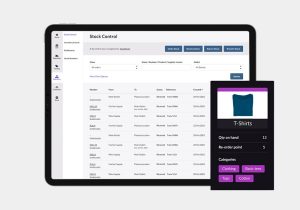
Maybe those limited-edition decks fly off the shelves while basic grip tape has the highest margin. Maybe your wheel sales spike after rain when street spots are wet and everyone heads to the skatepark. These insights help you stock smarter, improving both customer satisfaction and your bottom line.
When you nail your inventory strategy—from supplier relationships to smart stocking to efficient management—you create a shop that always has what skaters want, when they want it. That’s how you build a reputation as the go-to destination for skate gear in your area.
Step 6: Build your online presence and marketing strategy
Even if your focus is your physical shop, the digital world is where skaters discover new spots, products and yes, skate shops. A strong digital strategy connects you with your community 24/7, turning social followers into shop regulars and casual browsers into loyal customers.
Develop your brand identity
Your brand is your shop’s personality—it should jump off the screen and stick in skaters’ minds. Start with a logo that captures your vibe, whether that’s raw and DIY or clean and professional. Create a consistent visual language across all touchpoints—your shop signage, website, social accounts and even your price tags should feel like they belong together.
But branding goes deeper than visuals. What’s your shop’s voice? Are you the technical experts who can explain the difference between every deck on the market? The community hub that supports the local scene? The curators who only stock the coolest, most limited products? Define your position and let it guide every decision, from the music playing in-store to the language in your Instagram captions.
Build a professional website
Your website is your digital storefront, so make it count. Create a site that loads fast, looks sharp on mobile (where most skaters will see it) and makes finding products effortless. Include compelling shop photos that showcase your space and the community you’re building. Share your story—who started the shop and why—to create a personal connection with visitors.
If you’re selling online, optimize the checkout process relentlessly. Every extra click or form field costs you sales. Include detailed product descriptions with specs that matter to skaters—concave depth, wheel durometer, truck height—so they can make informed decisions. High-quality photos from multiple angles seal the deal by letting customers see exactly what they’re getting.
Leverage social media
In our digital era, social platforms are where skateboarding lives and breathes. Instagram could be a great home base—it’s visual, community-focused and perfect for showcasing products, team riders and shop events. Create a content mix that balances product highlights with authentic skateboarding content—local spot features, team rider clips and behind-the-scenes shop moments.
But don’t just post and ghost; engage actively with your followers, local skaters and brands you carry. Comment on clips, share customer content and jump into conversations happening in your scene. TikTok and YouTube expand your reach with video content like product reviews, how-to guides or local scene videos. Each platform has its strengths—use them strategically to build different aspects of your brand.
Use SEO to drive traffic
When skaters Google “skateboard shops near me” or “where to buy Venture trucks,” you want your shop appearing at the top of those results. Optimize your website with keywords that match how skaters actually search—think specific product names, skating styles and location-based terms. Create content that answers common questions like “how to choose the right skateboard size” or “best wheels for rough pavement” to attract searchers.
Local SEO is particularly crucial for physical shops. Claim and optimize your Google Business Profile with accurate hours, location and photos. Encourage satisfied customers to leave positive reviews. These steps dramatically improve your visibility when local skaters search for products you carry.
Explore email marketing and local advertising
Email remains one of the most effective marketing channels, especially for announcing new product drops, sales or events. Build your list through in-store signups, website pop-ups and social media. Send regular updates, but make each email valuable—exclusive early access to limited products, special subscriber discounts or insider content that non-subscribers don’t get.
Don’t overlook traditional local marketing, though. Printed flyers at skateparks, stickers that spread your logo around town and partnerships with local skate events all build awareness in your immediate community. Consider sponsoring a section at the local skatepark or supporting school skateboarding clubs to establish your shop as a committed community member.
Plan promotional campaigns
Strategic promotions create excitement and drive sales during key periods. Plan campaigns around natural buying seasons like back-to-school, holiday shopping and the spring surge when fair-weather skaters return. Create genuine reasons for customers to visit, like product demo days with brand representatives, video premieres of local skate videos or exclusive product launches.
The most effective promotions combine online and offline elements. A product launch might include teaser posts on Instagram, an email announcement to your subscriber list, an in-store event with the team riders using the product and follow-up content showing it in action. This comprehensive approach reaches customers at multiple touchpoints, maximizing impact.
Your marketing strategy shouldn’t feel like marketing to skaters—it should feel like being part of the community. When you authentically connect with the culture, share valuable content and create experiences worth talking about, your shop becomes more than a retail location—it becomes part of skateboarding’s fabric in your area.
Step 7: Establish operations and technology
Behind every successful skate shop is a well-oiled machine of systems and technology that keeps things running smoothly. The right operational setup eliminates headaches, prevents costly mistakes and frees you to focus on what matters: connecting with customers and growing your business.
Implement a reliable POS system
Your point-of-sale system is the command center of your entire operation. A powerfulretail POS system handles transactions seamlessly while collecting valuable data on what’s selling, when and to whom. Look for features specifically helpful for skate shops, like the ability to track inventory by size (deck widths, shoe sizes) and bundle items commonly sold together (complete setups).

The ideal system connects your in-store and online sales channels, preventing the nightmare scenario of selling the last deck twice. It should also make special orders simple, let you set up customer profiles to track preferences and generate reports that reveal sales patterns. These insights help you stock smarter and schedule staff when you need them most.
Set up payment processing
Today’s skaters expect to pay however they prefer—credit cards, debit, mobile wallets, or even buy-now-pay-later options. Your payment processing should accommodate all these methods with minimal friction. Fast transactions keep lines moving during busy periods and prevent abandoned online carts.
Security matters too—customers trust you with their financial information, and a breach damages more than just your reputation. Choose payment processors with strong security features and make sure your staff understands proper handling of customer data.
Establish operational procedures
Even the coolest skate shop needs solid procedures to function efficiently. Create clear protocols for everything from opening and closing the shop to handling special orders and processing returns. Document these procedures so your team knows exactly what to do in every situation.
Your return policy deserves special attention—it needs to protect your business while treating customers fairly. Clearly communicate what can be returned (unused products in original packaging?), within what timeframe (14 days? 30?), and what form refunds take (store credit? original payment method?). A transparent policy prevents misunderstandings and builds trust.
Use tools to build customer loyalty
Repeat customers are the lifeblood of successful skate shops. Implement a system that recognizes and rewards loyalty, whether that’s a formal points program, a punch card for deck purchases or exclusive perks for regular customers. The specifics matter less than the principle—show appreciation to the skaters who support your shop consistently.
Customer relationship management (CRM) tools help you personalize the shopping experience. When you know a customer’s preferred deck brand, shoe size or riding style, you can alert them when relevant products arrive. These personalized touches transform transactional relationships into genuine connections that keep customers coming back.
When your operations run smoothly, it creates a seamless experience for customers and reduces stress for you and your team. The right technology doesn’t replace the human element that makes skate shops special—it enhances it by handling the routine tasks so you can focus on building the community that makes your shop thrive.
Step 8: Build your dream team
When customers walk in, they’re not just looking for products—they’re seeking expertise, authenticity and a genuine connection to skateboarding. Your staff becomes the face of your brand, turning first-time visitors into loyal regulars through their knowledge and passion.
Determine staffing needs
Before posting that “Help Wanted” sign, think strategically about the roles you need to fill. Beyond basic sales positions, consider specialists who can handle specific aspects of your business. Maybe you need a social media-savvy team member who can create content and manage your online presence. Or perhaps someone with technical knowledge who can build complete setups and handle basic repairs.
Your staffing structure should match your shop’s size and focus. A small core shop might operate with just you and one part-timer, while a larger operation with an online store might need dedicated positions for inventory management, shipping and customer service. Map out your coverage needs carefully—weekends and afternoons typically require more hands on deck than weekday mornings.
What to look for in candidates
- Passion for skateboarding: There’s no substitute for authentic enthusiasm. Staff who actually skate can speak from experience about how products perform, recommend the right setup for different styles and connect with customers on a deeper level. They spot the difference between a customer who needs a cruiser board and one looking to learn technical tricks.
- Product knowledge: Look for people who can explain why titanium trucks might be worth the extra cost or how different wheel formulas affect ride feel. If they don’t know everything yet but show a genuine eagerness to learn, that’s valuable too—you can teach product specs, but you can’t teach passion.
- Customer service skills: Even the most knowledgeable skater needs to communicate effectively with all types of customers—from the parent buying their child’s first board to the veteran skater seeking specific components. Approachability, patience and good listening skills turn browsers into buyers and create experiences worth sharing.
Provide effective training
Even your most skate-obsessed employees need proper training to represent your shop effectively. Create a comprehensive onboarding process that covers both skateboarding knowledge and business operations. Walk new hires through your entire product line, explaining the features, benefits and ideal uses for each item.
Technical training matters too. Make sure every team member can confidently operate your POS system, process different payment types and handle special orders or returns. Show them how to check inventory levels, receive new shipments and maintain the shop’s appearance throughout the day.
The best training is ongoing. Schedule regular sessions to cover new products, changing trends, or improved operational procedures. Consider sending staff to demos or trade shows where they can deepen their product knowledge and bring fresh ideas back to your shop.
When you build a team that combines skateboarding authenticity with solid retail skills, your shop becomes more than a place to buy gear—it becomes a trusted resource where customers know they’ll get honest advice from people who share their passion. That’s a competitive advantage no online algorithm can match.
Step 9: Plan your launch
Your grand opening is your debut in the skateboarding community. A killer launch creates momentum that can carry your shop through those critical early months. Plan strategically, build genuine excitement and create an experience that gets people talking long after the event ends.
Start by setting a launch date that gives you a runway to nail every detail. Avoid rushing—it’s better to delay your opening than to launch before you’re truly ready. Ensure your inventory is fully stocked, your staff is thoroughly trained, and all your systems are tested and working flawlessly. That perfect deck display won’t matter if your POS system crashes during your first sale.
Build anticipation with a pre-opening marketing blitz. Create a countdown on your social channels with behind-the-scenes peeks at your shop coming together. Release teaser videos featuring local spots and skaters. Send exclusive invites to influential members of your local scene—the shop opening they attend becomes the shop others want to check out.
Document everything—the crowds, the skating, the energy—and share it across your channels. The content you create during your launch can fuel your marketing for weeks afterward, showing those who missed out what they can expect when they visit your shop.
A memorable launch does more than just drive initial sales—it establishes your shop as a vital new addition to the skateboarding community. When you create an authentic experience that celebrates skate culture, you’re not just opening a store—you’re creating a destination that skaters will support for years to come.
Keys to success and profitability: Keeping your shop rolling
Running a thriving skate shop means mastering the balance between being core to the culture and smart about your business. The shops that last are the ones that combine authentic skateboarding credentials with savvy operational decisions.
Customer experience is your competitive edge against big-box stores and online giants. Train your team to provide personalized service that can’t be replicated by an algorithm—helping customers find their perfect setup, remembering their preferences, and creating connections that bring them back.
Stay ahead of trends by keeping your finger on skateboarding’s pulse. Follow pros on social media, watch the latest videos and pay attention to what’s happening at contests and in the streets. This awareness helps you stock what skaters will want next.
Transform your shop into a community hub that skaters gravitate toward even when they’re not buying. Host video premieres that pack your store with potential customers. Sponsor contests that get your name out there while supporting the scene. These community investments pay dividends in loyalty and word-of-mouth marketing.
Behind the scenes, let data drive your decisions. Use your POS reporting to identify your bestsellers, track which days and times bring the most traffic and spot seasonal patterns. This information helps you schedule staff efficiently, maintain optimal inventory levels, and time your promotions for maximum impact.
Price strategically to maintain healthy margins while staying competitive. Know which products are price-sensitive (like standard decks) and which ones offer more flexibility (like specialty items or shop-branded gear).
The skate shops that thrive long-term are those that evolve with the culture while maintaining sound business practices. When you blend authentic connection to skateboarding with smart operational decisions, you create a shop that’s both a cultural cornerstone and a sustainable business.
From passion to profit: Building a skate shop that lasts
A skate shop isn’t just a business—it’s a passion project that serves the community you love. Every decision you make, from your location to your staff to the products on your shelves, shapes not just your bottom line but your shop’s role in skateboarding culture. When done right, your shop becomes more than a retail space—it’s where the next generation of skaters finds their first board, where crews meet before sessions and where the local scene thrives.
The journey isn’t easy. You’ll face challenges from online competition, shifting trends and the natural ups and downs of retail. But with careful planning, authentic connection to skateboarding, and smart systems that keep operations tight, you can build a shop that remains profitable while staying true to why you started in the first place.
Your shop’s operations are the foundation everything else builds upon. A well-managed inventory ensures you have what customers want when they want it. A reliable POS system keeps transactions smooth and provides insights for better decisions. Excellent customer service creates loyalty that algorithms can’t break. When these elements work together, your passion for skateboarding transforms into a sustainable business.
Ready to take your skate shop from concept to reality?Talk to an expert about how the right tools can streamline your operations, boost your efficiency and help your shop thrive from day one.

News you care about. Tips you can use.
Everything your business needs to grow, delivered straight to your inbox.