
Managing high-volume orders across multiple warehouses takes more than a basic spreadsheet or cash register. You need a dedicated wholesale POS system to centralize inventory data and guarantee accurate pricing for every B2B client.
Unified commerce platforms help established distributors scale operations while keeping profit margins healthy. Modernizing the technology stack syncs sales channels and streamlines fulfillment without manual data entry errors.
- How a POS system enhances wholesale operations
- Benefits of using a POS system in wholesale and distribution
- Choosing the right wholesale POS system
- Streamlining your wholesale business with POS integration
Grow your retail business.
Streamline inventory, suppliers, teams and stores with Lightspeed's all-in-one platform. From intuitive POS and stock management features to powerful reporting, Lightspeed gives you the tools you need to grow.
How a POS system enhances wholesale operations ![]()
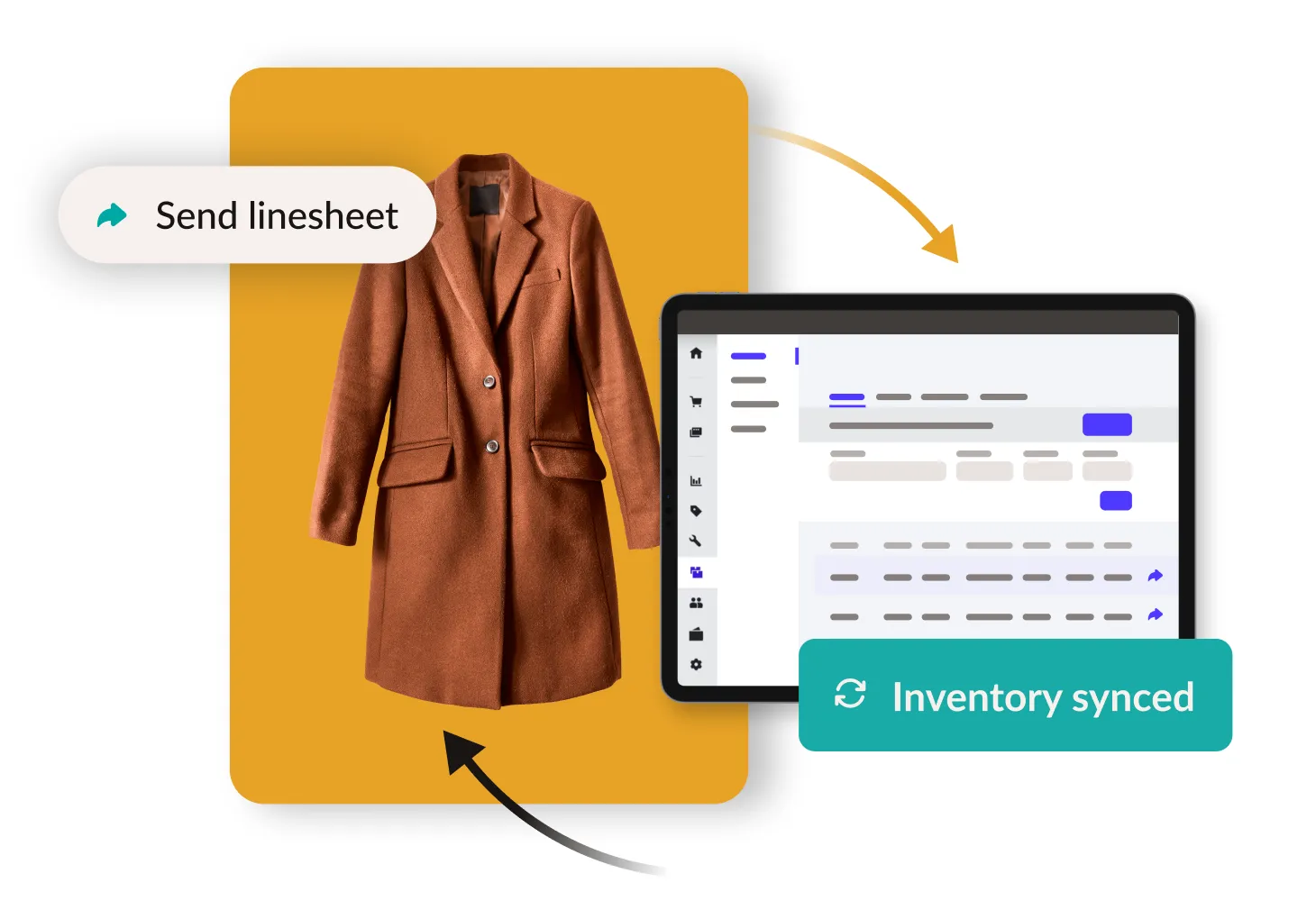
Wholesale trade requires a level of efficiency that traditional retail software just can’t match. A robust system can handle bulk transactions and complex order volumes without slowing down the checkout process.
What else is essential when it comes to wholesale operations? Real-time inventory tracking is a non-negotiable for businesses managing stock across several warehouses; barcode scanning integration is another inventory management plus. Automated reordering tools prevent stockouts so you always have the right products available for key accounts.
Dynamic pricing capabilities let you set customer-specific discounts and tiered pricing structures automatically. Your team simply applies contract prices instantly instead of manually calculating rates for every invoice.
Wholesale POS system benefits also include detailed sales reporting and tracking, customer relationship management (CRM), employee and user management, and supplier management—along with two major essentials—payment processing and B2B-specific features, such as bulk orders.
Advanced inventory management
Technology plays an integral role in the wholesale business. An advanced inventory management system can ensure your inventory tracking is fully automated so you always have real time, accurate stock levels when buyers are ready to place their orders. It can also alert you when you’re running low on specific SKUs so you can contact production to discuss replenishment (or automate replenishment for perennial bestsellers and seasonless styles).
Sales reporting and tracking
It’s important to have access to a central sales dashboard, complete with multiple options for viewing and downloading reports. When you have access to real-time sales analytics and deep insights, you’ll be able to make data-driven decisions with greater clarity.
Customer relationship management
Your wholesale CRM will help you keep track of individual profiles on every buyer and distributor you work with, as well as the retailers they represent. Not only can you use your CRM to offer custom-tailored assortments and help improve sell-through for both you and your valued wholesale partners, but you can identify sales trends, such as bestsellers across retailer types and regions, to help you improve your design approach and planning for future collections.
It’s also useful to track individual contracts, payment terms, buying preferences, and other essentials, in addition to personal details that help you maintain good relationships with buyers (such as birthdates, personal favorite brands and styles, hometowns, et al).
Employee and user management
With a wholesale POS system, you can grant different levels of access to your team members based on the features and data that are appropriate for and relevant to their roles. You can also track user performance. For example, you can look up what each brand rep sold at a particular trade show. Brands’ teams also tend to appreciate powerful wholesale POS systems because they help them work a lot more efficiently.
Payment processing solutions
The best wholesale POS systems can take care of all of your payment processing needs—from secure, compliant payment encryption to volume discounts, support for multiple currencies, and the flexible payment options buyers seek.
Multi-location and warehouse optimization
When your operations include multiple warehouses, your wholesale platform offers a single hub from which you can see all of your dashboards and real-time, up-to-date inventory information in one place. It can also help you keep track of any inventory that needs to move from one location to another, vastly reducing the risk of loss.
Barcode scanning and inventory transfers
Integrate your wholesale system with your barcode scanner to expedite picking, receiving, counting, and other stock-related needs. You’ll be able to speed up operations and fulfill merchants’ orders with greater speed.
Supplier management tools
You can create purchase orders, track vendors, and maintain a database of suppliers with key data points, all within your wholesale POS system.
B2B-specific features
Finally, the benefits of wholesale POS systems include access to essential B2B features, including bulk orders, tiered pricing, catalogs that may be custom-tailored to specific retailers, and more.
Benefits of using a POS system in wholesale and distribution
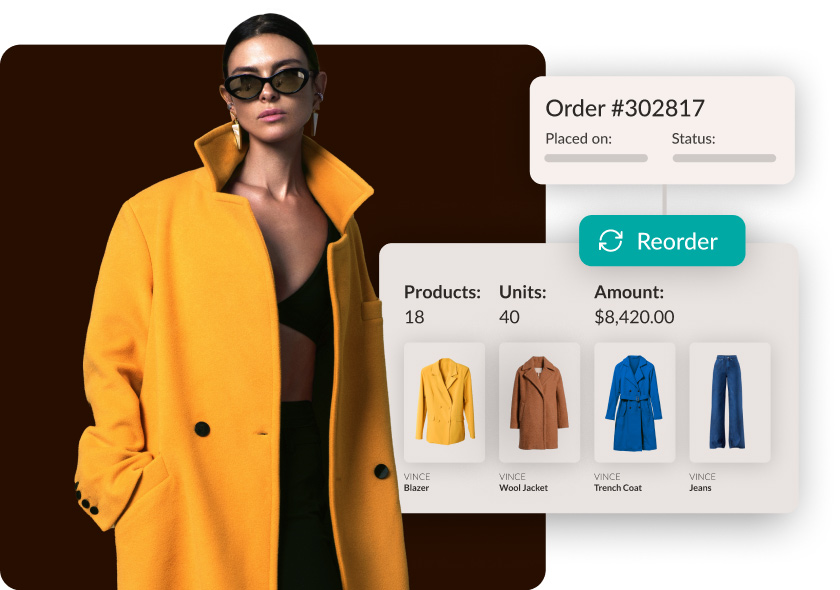
Wholesale environments are fast-paced. To keep up, you need accuracy and speed to maintain profitability and to scale effectively. A modern POS system turns a chaotic warehouse into an organized fulfillment center. You gain control over the supply chain without relying on outdated means.
Improved accuracy and faster transactions
Manual data input slows down operations; mistakes happen, and errors eat into margins. A wholesale POS system automates pricing and item lookups so every invoice line is correct. And it makes it possible for your staff to process bulk orders fast—no second-guessing complex discounts or contract terms.
Barcode scanners integrate directly with the software to stop input errors, and the heightened speed lets your clients place their buys without delays.
Streamlined inventory and warehouse management
Wholesale POS system benefits include managing stock across multiple locations with real-time data. You can track inventory movement—from arrival to dispatch— and know exactly what’s available for sale. Digital counts replace manual spreadsheets to reduce shrinkage and prevent excess stock.
Your system’s automated low-stock alerts trigger purchase orders before you run out of key items. Automation also maintains optimal stock levels without constant manual checks. The result? Procurement becomes far more streamlined.
Efficient employee management
Secure sensitive business data by assigning user roles to staff members according to their needs. For example, your warehouse teams will only access what’s needed for fulfillment, while managers retain control over sensitive financial data. You can use your wholesale POS system to protect your business from internal theft, unauthorized discounts, and loss of customer privacy and trust.
Integrated labor tools can also simplify payroll and help you monitor productivity during peak hours. For instance, your managers can track sales performance by employee to identify top performers and optimize staff schedules based on actual traffic data.
Better business insights and sales tracking
The benefits of wholesale POS systems extend to rich data and insights. You can then use that data to drive more profitable decisions for your wholesale business.
You adjust purchase strategies based on hard numbers rather than intuition; advanced reporting tools analyze sales trends to spot best-performing products and high-value customers.
You can also use your system to monitor profit margins in real time and to pinpoint slow-moving inventory that ties up essential capital. With those insights, you can make better-informed choices about future planning and production.
Integrated and effortless payment processing
Wholesale POS systems’ integrated payments remove the need to manually enter transaction amounts into a separate terminal. They send totals directly to the card reader for fast and secure settlement, and secure encryption protects sensitive cardholder data during every transaction. Proper integration also reduces the amount of time it takes to complete end-of-day reconciliation.
Use your POS system to invite clients to pay with their preferred payment methods, including credit cards, checks, and on-account charges.
Choosing the right wholesale POS system
The right wholesale POS system for you has to align with the nuances and complexity of your operations. You need software that handles highly specific B2B demands, high-volume inventory movement, and complex fulfillment workflows. At the same time, the best system for your business has to also be a great fit when it comes to features, usability, and cost.
Business size and scalability considerations
Your technology stack has to be able to handle your needs today, without requiring a complete system overhaul as you grow.
Scalability ensures software performance remains stable even as SKU counts and order volumes skyrocket. Consider cloud-based solutions to avoid the downtime and maintenance costs associated with legacy, on-premise servers. A scalable system can quickly adapt as you expand into new markets or as you gain larger contracts.
Industry-specific features and needs
General retail software often fails to address the nuances of wholesale distribution. Look for matrix inventory tools to manage complex product variants including size, color, and material. Your wholesale POS system should also support bulk orders, customer-specific price tiers, and credit terms.
Look for a system that allows you to generate quotes and convert them into invoices seamlessly; it should also integrate with all of your essential software, including bookkeeping and accounting.
Budget and cost factors
Evaluate the total cost of ownership rather than just the initial software license fee. Include hardware costs, payment processing rates, and ongoing support contracts in your calculations. Transparent pricing structures help you forecast expenses accurately as you scale. Note: Cheaper upfront options often hide costs via higher transaction fees or paid add-ons.
A higher initial investment often pays off through automation and labor savings. As you calculate ROI, be sure to consider less obvious advantages, such as improved efficiency and reduced inventory shrinkage.
Streamlining your wholesale business with POS integration
Operational silos slow distribution. However, you can integrate your POS with your ecommerce platform and enterprise resource planning (ERP) system to remove these barriers. Your data will flow automatically between sales channels and warehouses so your inventory counts will be a reflection of reality;no manual spreadsheet updates required. This instant connectivity also eliminates the risk of overselling. B2B clients get precise fulfillment estimates every time they place a buy.
Let automation handle routine tasks like stock replenishment and invoice generation. It frees up your team to focus on strengthening merchant relationships and closing high-value deals. This unified system is the infrastructure you need to scale your operations without increasing administrative overhead… or the risk for human error. You’ll also gain greater control and visibility that you can leverage to protect your margins as you expand your reach.
Watch a demo to see what we can do to optimize your wholesale operations.
FAQ
What are the main differences between wholesale and retail POS systems?
Wholesale systems prioritize bulk orders, tiered pricing, and credit accounts, while retail software focuses on consumer sales. Wholesale POS systems are designed for the complexities of B2B operations, including inventory management, invoicing, and warehouse tracking.
How does a POS system improve inventory management for wholesalers?
POS software syncs stock across multiple warehouses, in real time, so you won’t inadvertently oversell high-demand items. It uses automated reorder points to trigger purchase orders the moment inventory drops below your set limits.
How does POS multi-location management work in wholesale businesses?
Cloud platforms pull data from every warehouse and showroom into one dashboard for a complete view of your business. You can transfer stock between locations digitally to balance inventory without relying on messy spreadsheets that are prone to human error.
What business sizes and industries benefit most from wholesale POS?
Growing distributors in fashion, electronics, and food service see the biggest impact by automating complex fulfillment. Mid-sized businesses with high SKU counts use wholesale POS software to control supply chains across multiple sales channels.
Is it possible to integrate a wholesale POS with ecommerce platforms?
Yes, modern POS software connects with major ecommerce sites to sync inventory automatically. Online orders deduct immediately from master stock levels so your availability data is always accurate. They also integrate with other key software, including CRM, accounting, and ERP solutions.

News you care about. Tips you can use.
Everything your business needs to grow, delivered straight to your inbox.