
If you’ve ever dreamed of turning your love for the outdoors into something bigger, now’s the time to make your move. Outdoor retail is riding a wave of popularity and is at the center of a cultural shift, with crowded trailheads and sold-out campgrounds proving just how hungry people are to reconnect with nature. Today’s outdoor enthusiasts aren’t settling for anything less than quality gear and real, honest expertise—which is exactly where passionate, forward-thinking retailers can make their mark.
An exceptional outdoor store delivers more than transactions; it creates a basecamp where community thrives and adventures begin. Today’s outdoor shoppers are evaluating your staff’s knowledge, scrutinizing your product curation and expecting seamless experiences whether they’re touching a jacket in-store or “adding to cart” from their couch. Meeting these expectations requires strategic planning and systems built for modern retail. These tools, including a smart sporting goods POS, can help businesses stand out above the rest in an increasingly competitive retail landscape.
Here’s your trail map to building that business.
- Step 1: Dive into market research
- Step 2: Craft a solid business plan
- Step 3: Lock in funding
- Step 4: Secure your location and break ground
- Step 5: Source and manage your inventory
- Step 6: Build your online presence and marketing strategy
- Step 7: Streamline operations and technology
- Step 8: Assemble your dream team
- Step 9: Orchestrate a memorable launch
Grow your retail business.
Streamline inventory, suppliers, teams and stores with Lightspeed's all-in-one platform. From intuitive POS and stock management features to powerful reporting, Lightspeed gives you the tools you need to grow.
Step 1: Dive into market research
While a love of the great outdoors is the baseline for launching your retail store, the key is pairing your enthusiasm with focused research to build something that meets real customer demand. Without understanding this business landscape, it’s easy to overlook opportunities or miss what your target demographic truly needs.
Start by analyzing the outdoor retail market. Are there trends pointing to growth in sustainable gear or lightweight, multi-functional equipment? Is there a surge in interest for hiking, water sports or climbing? Pinpointing growth areas that align with what excites you can help refine your approach and make your store stand out in a crowded field.
Next, define your niche with clarity. Are you catering to eco-conscious adventurers, serious climbers or weekend campers? Your product selection should reflect more than general appeal; it needs to speak directly to a specific group. A well-defined niche helps guide not only inventory decisions but also branding and marketing strategies.
To connect with your audience, go beyond surface-level data. Look at their demographics, shopping habits and priorities. Do they value premium quality or affordability? Are they beginners looking for guidance or experienced buyers who know exactly what they want? Understanding these details shapes how you stock your store and interact with customers.
Finally, analyze the competition. Study local outdoor businesses and online retailers to see where they excel and where they fall short. Do they lack a certain product line or customer service experience? Identifying those gaps gives you a chance to position your store as the better option in areas they overlook.
Passion is powerful, but research grounds it in reality. Together, they’re what will help you create an outdoor store that’s both exciting to run and built for long-term growth.
Step 2: Craft a solid business plan
A well-thought out business plan gives you a clear vision, sets measurable goals and outlines how you’ll bring your outdoor store to life. Every decision, from the inventory you stock to how you market, ties back to this roadmap.
Start with an executive summary. It should be short but impactful—lay out your concept, target audience and what makes your store unique. Next, include a company description that defines your mission, vision and legal structure. This is where you explain why your business exists and the value it brings to your customers.
Key components of a business plan
| Business plan component | Description | Why it’s important |
| Market analysis | Showcase trends, customer insights and competitor gaps based on your research. | Proves there’s demand for your store and identifies opportunities. |
| Product line and services | Detail specific offerings (e.g., hiking gear, camping supplies) and potential services (rentals, repairs, workshops). | Defines your core business and highlights added value for customers. |
| Marketing and sales strategy | Outline how you’ll attract and engage customers, including in-store promotions, online marketing and community events. | Explains how you’ll reach your target audience and drive sales. |
| Operations plan | Explain daily logistics such as store hours, inventory systems and tools to streamline operations. | Shows how the business will function efficiently on a day-to-day basis. |
| Management team | Detail who is running the business, highlighting relevant experience in retail or the outdoor industry. | Establishes credibility and trust in your leadership. |
| Financial projections | Break down expected startup costs, revenue forecasts, and timelines for profitability, including estimates for inventory, staffing and marketing. | Demonstrates financial viability and helps secure funding. |
A strong plan keeps your goals in focus and helps you stay on track. It’s also your best tool for securing funding and showing others you’re serious about starting an adventure company. Knowing how to start a retail store is one thing—this plan is how you make it happen.
Step 3: Lock in funding
Once you’ve created your business plan, the next crucial piece is to get your finances in check to cover your upfront costs and keep operations running smoothly. Expenses like inventory, store setup and marketing add up quickly. Knowing where your money will come from and how much you’ll need is vital to getting started.
Explore funding options
- Personal savings: Using your own savings is often the fastest way to fund your store without taking on debt.
- Loans: SBA loans or traditional bank loans are great options if you have a solid business plan and good credit. They offer structured repayment terms, making them a reliable choice.
- Investors: Consider bringing in investors if you need substantial funding. Just make sure your goals align since they’ll likely ask for equity in exchange.
- Crowdfunding: Crowdfunding platforms let you raise money while building early buzz for your store. Supporters get involved, and you secure the funds you need.
Key startup costs to consider
| Startup Cost | Description |
| Inventory | Stocking your store with high-quality gear comes first. Outdoor equipment, especially big-ticket items like bicycles or camping gear, requires significant upfront investment. |
| Rent and leasehold improvements | A great location matters but it doesn’t come cheap. Budget for rent and any renovations needed to customize your space. |
| Equipment | You’ll need durable shelving, displays and POS hardware to keep your store functional and visually appealing. |
| Marketing | Set aside funds for digital ads, community events and promotional materials. Generating excitement before opening day is just as important as what’s inside your store. |
Breaking down your funding options and startup costs makes the process manageable. With a clear plan and the right resources, you’ll be ready to build a store that’s set up for success.
Step 4: Secure your location and break ground
Where you set up shop can make or break your business. Whether you’re opening a physical store, launching online or blending both, your decision shapes how customers find and interact with you. Each option has its own benefits and challenges—what works best depends on your audience, budget and long-term goals.
Physical store
A physical storefront is perfect for building connections with customers and offering an engaging experience. Locations near outdoor hotspots like parks, trails or tourist areas are ideal for drawing in active shoppers. High foot traffic matters, but don’t overlook practical details like parking and visibility from busy streets.
- Leasing or buying space: Leasing gives flexibility, while buying can reduce costs over time. Evaluate your location for cost, accessibility and whether it fits your target market.
- Store layout and atmosphere: Your space should inspire. Feature displays that highlight gear, add sections for hands-on testing and keep aisles wide enough for a seamless shopping flow.
Fixtures and leasehold improvements—like shelving, flooring and lighting—are investments that pay off. Choose durable materials that match the vibe of your store and create a welcoming atmosphere.
Online store
Anonline store expands your reach far beyond your local market. Pick an ecommerce platform that supports multiple payment options and integrates with your inventory system for smoother operations.
Your website should be easy to navigate. Clean design, clear menus and product photos that show gear in action make a difference. Include details like weight, materials and performance specs so customers can confidently shop.
- Shipping and fulfillment: Work with reliable shipping providers offering competitive rates. Offer multiple delivery options—from standard to expedited—to meet different customer needs.
![]()

Hybrid model
A hybrid approach combines the strengths of both. Customers can browse products in-store and order online, or shop digitally and pick up locally. Syncing inventory across both channels ensures accuracy and saves time.
Whether you’re opening an outdoor store in a physical space, online or both, your setup is key. Thoughtful planning ensures your store is a space where customers want to return.
Step 5: Source and manage your inventory
Strategic inventory requires carefully selecting products that resonate with your customers. Every item should reflect your niche and strike the right balance between quality, functionality and price. When you get this right, you build loyalty—customers come back because they know your store is the best place to find the outdoor gear they need.
Building supplier relationships
Your suppliers are a major piece of your inventory strategy. Work with brands that deliver reliable, high-quality gear that aligns with your store’s focus. Trade shows are excellent opportunities to meet distributors and manufacturers face-to-face, but don’t overlook online B2B platforms or referrals from industry contacts. Consistency matters, so choose suppliers who meet deadlines and maintain product standards.
Negotiating terms and pricing
Good relationships with suppliers open the door to better pricing and terms. Negotiate minimum order quantities, payment schedules and shipping options that fit your financial plan. Lower wholesale costs not only protect your margins but also give you room to adjust pricing to stay competitive.
Ordering and managing initial stock
Use your market research to guide your first purchase orders. Focus on a mix of high-demand items and products that align with your niche. Stock a variety of price points—entry-level, mid-range and premium—to reach different customer groups without stretching your budget thin. Seasonal trends are also key, especially in outdoor businesses to start.
Implementing an inventory system
An inventory management system is critical for running an efficient store. It tracks stock levels, monitors sales trends and sets up reorder alerts to prevent gaps or overstocking. Systems that sync between your physical and online stores save time and ensure consistency across all sales channels.
Tools like Lightspeed’s inventory management software help eliminate blindspots and keep stock moving with real-time insights across all channels and locations.
A strong approach to sourcing and managing inventory sets the foundation for profitability and a better customer experience. Reliable suppliers, smart purchasing and streamlined tracking—when combined—keep your store running smoothly.
Step 6: Build your online presence and marketing strategy
Even if your store is primarily brick-and-mortar, being online connects you with a broader audience, builds trust and drives traffic both in-store and on your website. Think of this step as combining branding, smart digital tools and focused outreach to make your store the go-to spot for outdoor gear.
Develop a brand identity
Your brand is more than just a logo; it’s how people see your business. Start with a clear, recognizable brand identity and messaging that fits your store’s values, whether that’s sustainability, adventure or expertise. Make sure your colors, fonts and imagery reflect the outdoor lifestyle and use them consistently across everything, from your website to social media.
Create a professional website
Your website should act as your digital storefront. Keep navigation simple, include detailed product descriptions and use high-quality images that show gear in action. If you’re focused on a physical store, include a “Find Us” page with your address, store hours and contact info. Selling online? Add ecommerce tools so customers can shop easily, no matter where they are.
Utilize social media marketing
Social media is where you connect with outdoor enthusiasts. Pick platforms they already use, like Instagram or Facebook, and post content that excites them—gear reviews, trail recommendations or customer stories. Eye-catching visuals, like photos and videos, work best for grabbing attention and building trust in your expertise.
Implement SEO to drive organic traffic
Search engine optimization (SEO) makes it easier for customers to find your business online. Use keywords like “outdoor businesses” or “starting an adventure company” throughout your website. Add helpful content, like blogs on hiking tips or gear guides, to bring in organic traffic and position your store as a trusted authority in the outdoor industry.
Consider email marketing and partnerships
Email marketing keeps your store on people’s minds. Send out newsletters featuring new products, upcoming sales or local events. Partnering with outdoor clubs or influencers is another way to reach more people. Collaborations introduce your store to engaged audiences who already share your passion for adventure.
Plan promotional campaigns
Promotions are a great way to create buzz and bring in more customers. Plan sales around outdoor seasons—like summer camping or winter sports—and use events like grand openings or anniversaries to offer exclusive deals. Discounts bring in new shoppers, but keep an eye on your margins to ensure profitability.
The right online presence and marketing strategy are what set your business apart. When you combine engaging content, strong branding and smart outreach, you create a store that’s top of mind for outdoor enthusiasts everywhere.
Step 7: Streamline operations and technology
Operations are what keep your store running smoothly day-to-day. Clear procedures for sales, returns and customer service aren’t just helpful—they’re necessary. When everyone on your team knows what to do and how to do it, customers notice the difference.
Use a retail POS system
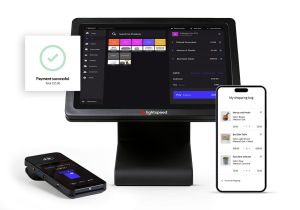
Aretail POS system is more than a cash register. It manages sales, tracks inventory and stores customer data all in one place. For stores with multiple locations or an ecommerce site, a centralized system keeps everything connected—no duplicate data, no guesswork. It also simplifies reporting, so you can monitor performance without extra effort.
Lightspeed’s all-in-one platform simplifies selling online and in store, streamlines operations and lets you leverage data for smarter buying and seasonal planning.

Simplify payments and build customer loyalty
Your payment system should work as seamlessly as the rest of your store. Offer debit, credit and mobile payment options to make checkout fast and easy. Tools like Lightspeed Payments help you process sales, get paid and manage it all from one unified platform—making it easier to keep operations running smoothly as your business grows.
Adding a customer relationship management (CRM) tool is another smart move. It tracks purchase history, so you can create personalized loyalty programs that keep customers coming back.
The right technology paired with well-thought-out procedures isn’t just practical. It’s what saves time, cuts mistakes and creates a better experience for everyone—staff and customers alike.
Step 8: Assemble your dream team
Your staff represents your outdoor store, so making sure you hire the right team is key. Employees who know the products and share a love for the outdoors can offer expert advice and meaningful recommendations. Their knowledge creates a better experience for customers and builds trust, which is critical in a competitive market.
Determining staffing needs
First, figure out how many employees you actually need. Think about roles like floor associates, cashiers and inventory managers, and don’t forget to account for seasonal surges. Outdoor businesses often see higher traffic during peak seasons, so you may need temporary help to keep service levels consistent.
Hiring criteria
Focus on candidates who bring both product knowledge and a knack for customer service. Experience in outdoor activities—whether it’s hiking, kayaking or cycling—helps them connect with customers on a real level. Passion matters just as much as experience; employees who genuinely care about the outdoors are far more engaging and authentic.
Providing training
Even the best hires need training specific to your store. Prioritize three areas: product expertise, sales techniques and operational systems. Teach them the ins and outs of your inventory, focusing on how each product solves a customer’s problem. Walk them through strategies for upselling and personalizing recommendations. Make sure they’re confident using your POS system to handle transactions and track inventory without hesitation.
When you invest in hiring and training the right way, you’re building more than a team; you’re setting up your store to deliver an experience customers won’t forget. Knowledgeable, well-trained staff don’t just sell products—they create loyal customers.
Step 9: Orchestrate a memorable launch
Your launch is more than just an opening day—it sets the tone for your outdoor store’s reputation. Start by picking a date that gives you enough time to finalize inventory, train your staff and test every operational system. Timing matters, so align it with seasonal trends or community events to draw in more foot traffic.
Your shelves should be stocked with a thoughtful mix of popular staples and niche items that represent your brand. Walk through your store to check that the layout is intuitive and encourages browsing. Confirm that every system—POS, payment processors and inventory tools—is running smoothly. A seamless setup avoids unnecessary stress and ensures a great first impression.
Pre-opening marketing activities
Build anticipation before opening day with targeted campaigns. Use email lists, social media and local advertising to spread the word. Highlight special promotions or unique products that will be available at the launch.
Partner with local outdoor groups or influencers who share your vision—they can help you reach a wider audience. You can also host a sneak peek or VIP preview for loyal customers and community connections to create buzz ahead of time.
Plan your grand opening
Your grand opening doesn’t have to be elaborate, but it should be memorable. Offer live product demonstrations, free workshops or giveaways to engage customers. Interactive experiences are a great way to introduce your store and connect with your audience.
Invite local outdoor enthusiasts, media or community leaders to help amplify exposure. Use the event as an opportunity to interact with customers, answer questions and gather feedback. When planned well, a launch does more than attract visitors—it establishes your outdoor store as a reliable and exciting destination.
Keys to success and profitability
Success in outdoor retail hinges on putting customers first. Shoppers want more than just gear—they expect knowledgeable recommendations and a seamless experience. Your team’s expertise is the foundation of trust and loyalty.
Staying up to date with industry trends is just as critical as delivering great service. Customers seek out the latest in sustainable gear, lightweight equipment and seasonal must-haves. Build strong supplier relationships and attend trade shows to keep your assortment relevant and discover new opportunities that fit your store’s niche.
Community engagement also sets your store apart. Host workshops, product demos and local events to turn your space into a hub for outdoor enthusiasts. These gatherings help foster loyalty and keep customers coming back for more than just products.
Profitability starts with smart inventory and pricing strategies. Leverage tools to track best sellers, automate reorders and adjust prices for seasonal demand or high-value items—protecting your margins while staying competitive.
Rely on data to fuel growth. A POS system and digital tools reveal sales trends and customer preferences—helping you optimize inventory, staffing and marketing decisions. The more informed you are, the better prepared you’ll be to adapt and succeed in a competitive market.
Launching your outdoor retail success story
Starting an outdoor retail store is challenging but worthwhile for those who want to turn their passion into a thriving business. It’s not just about loving the outdoors—it’s about building a plan, knowing your niche and making intentional choices every step of the way. From understanding your market to sourcing the right products and using tools that streamline operations, every move lays the groundwork for success.
Running a store efficiently is what drives growth. A retail POS system keeps everything organized—managing inventory, simplifying processes and creating a smooth experience for your customers. Combine that with smart marketing, a knowledgeable team and a focus on what your audience values, and your store becomes more than a retail space—it becomes the go-to destination for outdoor gear and expertise.
Every decision, big or small, shapes your store’s future. With the right tools and strategies in place, you can build a business that’s ready to grow and adapt.Talk to an expert to see how you can elevate your outdoor retail business.

News you care about. Tips you can use.
Everything your business needs to grow, delivered straight to your inbox.