Gen Z Wants More Than Products: 83% of 18-24-Year-Olds Say ‘Hangout Stores’ Boost Connection
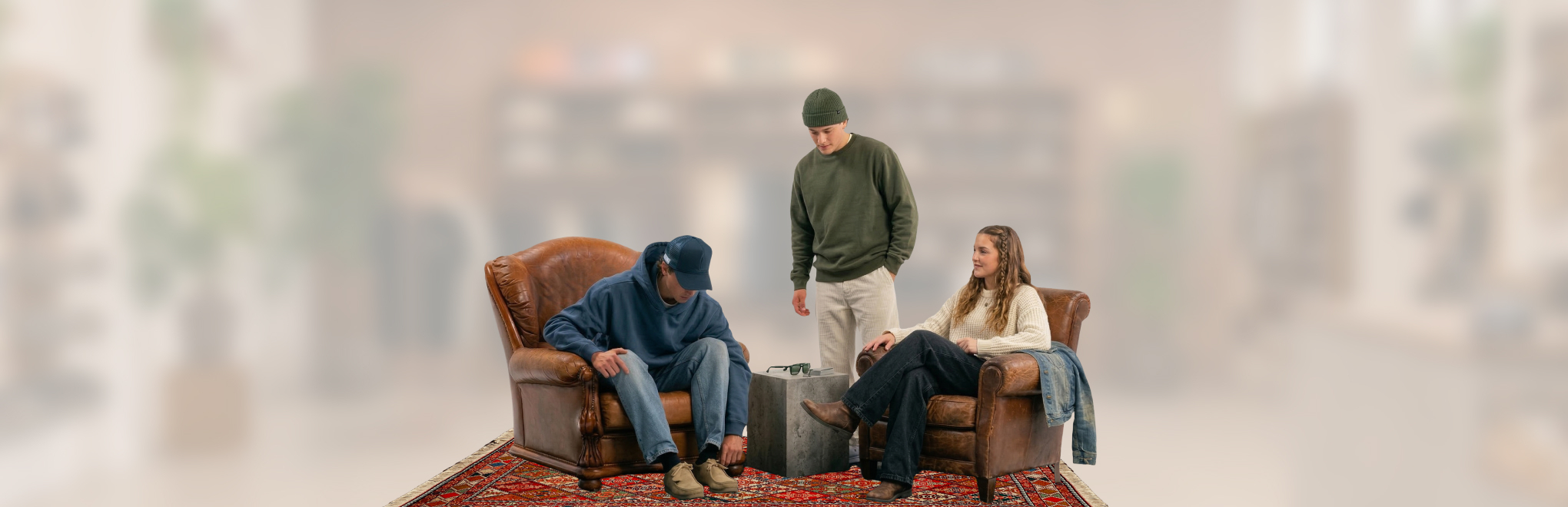
- Lightspeed research shows shoppers want stores that double as social spaces — a trend strongest among Gen Z — even as AI-powered shopping tools and digital buying experiences continue to accelerate.
- Eighty-three percent of 18-24-year-olds Gen Zs say social retail improves their sense of connection, and 68% say they’d spend more as a result.
- Two-thirds (67%) say visiting stores with social or community features helps them feel less isolated.
Lightspeed Commerce Inc., the unified omnichannel platform powering ambitious retail, golf and hospitality businesses in over 100 countries, today released new research showing that even as AI and digital tools increasingly remove friction from shopping, consumers are redefining the role of physical stores — not as places of convenience, but as places of connection.
Rather than serving purely transactional needs, many of which can now be handled online, consumers are gravitating toward retail spaces that function as places to gather, socialize, and spend time, signaling a shift in what brick-and-mortar stores are expected to deliver.
Gen Z Drives the Rise of Social Retail
Lightspeed’s survey of 3,000 U.S. and Canadian consumers reveals a generational shift in how people shop. Three-quarters of 18–24-year-olds (75%) say that “third spaces” — cafés, lounges, or social areas inside stores — are important when deciding where to shop. That figure drops to 65% among 25–34-year-olds and just 33% among those over 65, underscoring how younger consumers are reshaping the role of physical retail.
As online shopping, AI recommendations, and one-click checkout become table stakes, Gen Z is redefining the value of in-person retail as a place to belong, not just buy.
The impact goes beyond experience. Two-thirds of all respondents (67%) say visiting stores with social or community features helps them feel less isolated — suggesting retail is increasingly filling a gap that might have been left by digital-first experiences optimized for speed rather than connection. That emotional lift translates into loyalty: 58% of shoppers say they’re more likely to return, and 57% say they’d spend more at stores that offer these spaces. Among Gen Z, the connection is even stronger — 83% say social retail environments improve their sense of connection, and 68% say they’d spend more as a result.
Cafés, Music, and Markets Draw Shoppers In
When it comes to what draws people in, coffee culture leads the way, with 73% of shoppers saying they find in-store cafés or lounges appealing, more than any other feature. Live music (69%) and pop-up markets (65%) also rank high, reinforcing demand for retail spaces that feel cultural and community-driven rather than purely commercial.
“Retailers today are competing on experience as much as product, especially as AI reshapes how people discover and purchase goods online,” said Dax Dasilva, Founder and CEO of Lightspeed. “As technology makes buying easier everywhere, physical retail has a chance to focus on what technology can’t replicate: community, culture, and connection. Our research shows that spaces designed for people, not just transactions, don’t just drive sales, they help customers feel connected and keep them coming back.”
A real-world example of these findings is supported by Brooklyn-based WOODstack, a Lightspeed customer preparing to open a new location next month. Designed as a combined retail and restaurant space that brings food, fashion, and community together under one roof, this new WOODstack location will curate premium sneaker and apparel collections while weaving local culture into the store design and events.
The concept reflects a broader shift toward stores designed for time spent, not just items sold — positioning physical retail as a destination rather than a stop.
“We wanted to build something that feels true to who we are and to Brooklyn,” said JD Williams, Founder of WOODstack. “This space isn’t just a store or a restaurant, it’s a home for our community. Lightspeed’s technology makes it seamless to deliver an experience that’s authentic, social, and built to last.”
Powered by Lightspeed’s unified platform, the new WOODstack location will run both its retail and restaurant operations from a single system, connecting sales, payments, inventory, and customer data. By simplifying operations behind the scenes, the team can spend less time managing transactions and more time investing in the in-person experiences that matter most to their customers.