Tonkotsu: Scaling homemade ramen to 20 restaurants without losing the soul of the bowl.
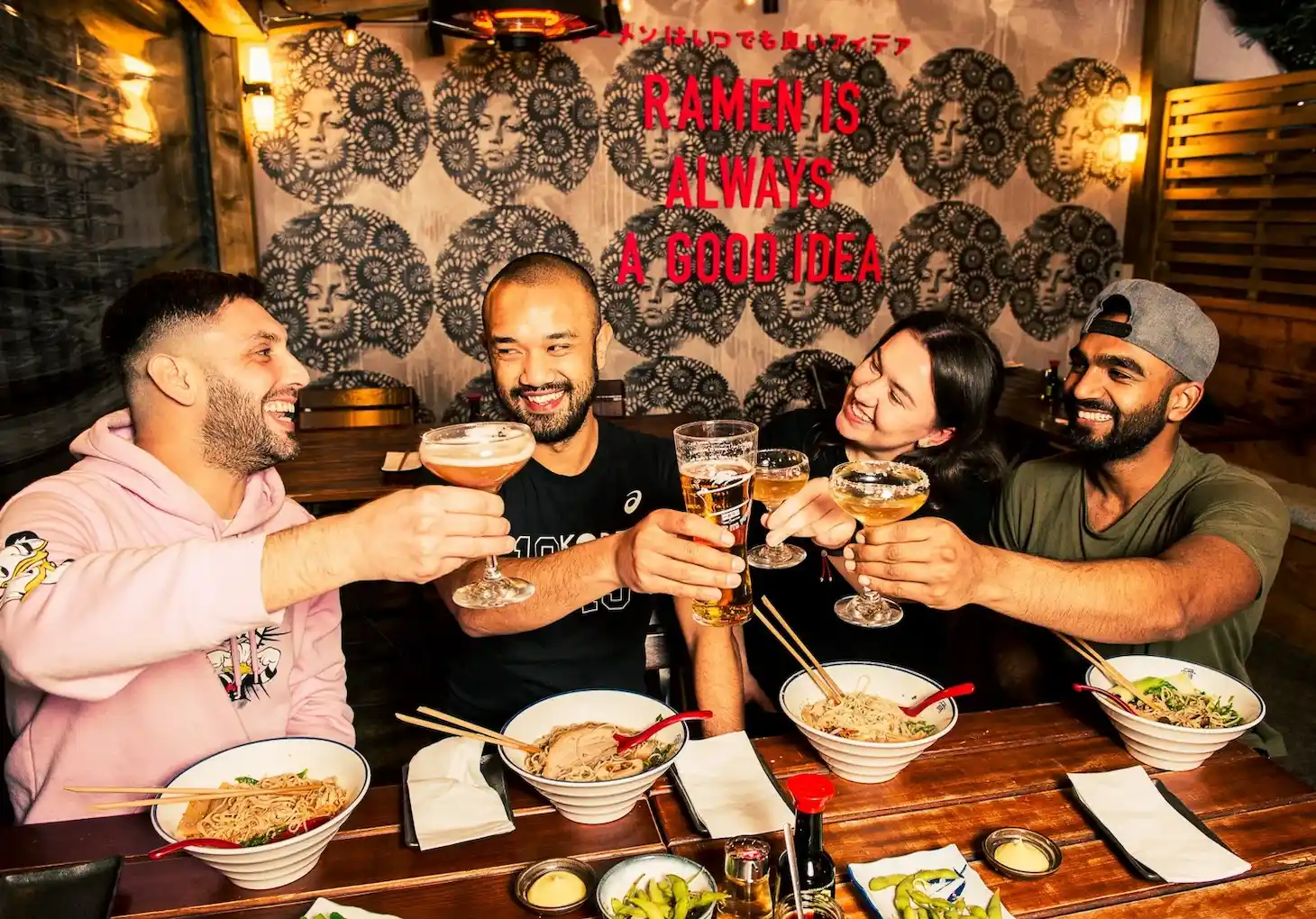
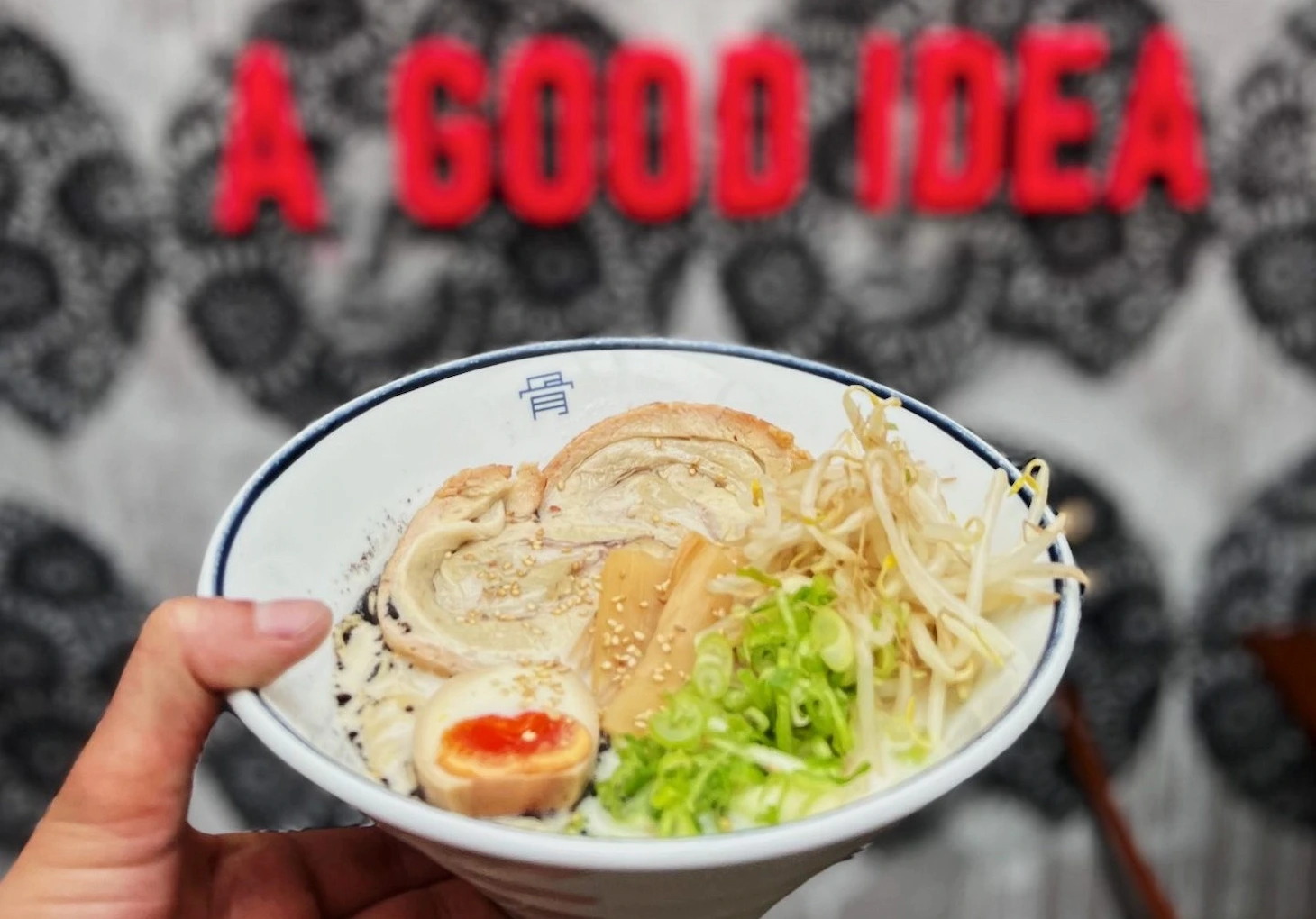
Tonkotsu began as a Saturday night pop-up, born from founders Ken and Emma's shared obsession with ramen they couldn't find in London. It took off: 30 guests on opening night in 2011, and a permanent home in Soho by 2012. A trip to Japan changed everything: a veteran ramen chef told them a restaurant that doesn't make its own noodles is "just a soup shop." They've made every noodle, broth and side from scratch since, an instinct that's carried Tonkotsu to a 20-strong group. Lightspeed has been a part of that growth. Keep reading to learn more.
Business type:
Restaurant
Products:
Location:
London, Bath, Brighton, Bristol, Cardiff, Birmingham
From a soup shop to a 20-site ramen institution
Mike Statham, Tonkotsu's finance director, who also oversees IT and systems across the business and has been with the company for nine years, has watched that growth up close. The first restaurant opened under a different name, Tsuru, before a run of pop-ups and two award nods for Cheap Eats convinced Ken and Emma they were onto something. From there, growth was steady: nine sites, an investment round from YFM in 2019, and then Covid, which the business weathered while continuing to open up to three new restaurants a year. Today that adds up to 20 sites, with Bath the most recent addition.
That commitment to scratch cooking, paired with Ken and Emma's continued day-to-day involvement in the business, is what the finance director points to as Tonkotsu's biggest source of pride. “There's a lot of magic that they bring to the business, and it filters through,” he says, describing a service style built around going the extra mile for guests, even within a fast-casual format.
Why Tonkotsu chose, and stuck with, Lightspeed
Tonkotsu's first Lightspeed site was its Kentish Town restaurant, based on the recommendation of Ezora, the business's data and business intelligence partner. From there, the team rolled Lightspeed out to every new opening, and roughly a year ago, migrated its entire estate onto the platform (aside from a Selfridges concession outside the business's direct control).
For Tonkotsu, the decision came down to how easily Lightspeed fit into a stack that already included delivery and stock management tools. The consistency of the iPad experience was just as important as the back-end integrations.
“It could interact with all of our products that we already had – delivery, stock systems, all of it," says Mike. "We loved the flexibility of being able to carry an iPad around, and it's the same layout every time. You don't really want to be learning a new layout in front of a customer.”
That familiarity has made onboarding easier across a growing team. “Our previous tools were a bit slow, a bit sluggish,” he explains. “It being an iPad solution, it's much easier for the team to adopt – they're very used to that type of screen.”
“It could interact with all of our products that we already had – delivery, stock systems, all of it. We loved the flexibility of being able to carry an iPad around, and it's the same layout every time. You don't really want to be learning a new layout in front of a customer.”
Mike Statham, Finance DirectorBack up and running before the locksmith arrives
Reliability matters most when things go wrong, and Tonkotsu has already put Lightspeed's support to the test. When one of the group's sites was broken into, the team needed new iPads and connection codes fast.
“One of our sites got broken into, and we were back up and running with Lightspeed by the time they could go to Argos and back,” Mike explains.
The thieves hadn't taken the printers, so once new devices were reconnected to Wi-Fi, service resumed almost immediately. Tonkotsu also works with Eposability as a wider support layer across its tech stack, giving the team a single point of contact rather than juggling separate vendors for every issue. “It's not something you'd shout about, because no one's telling you that theirs is a dodgy setup,” Mike says of Lightspeed's integration stability, “but it's really important that those connections work as best as they can.”
He's also noticed the platform evolving in response to feedback over time: “It's not like you just buy something off the shelf and leave it. Things will improve, and there's some logic to the order in which they're being addressed. It gives you more confidence going forward that it's going to continue being what we need it to be.”
Fighting rising costs with smarter operations, not more software
Like most of hospitality, Tonkotsu is contending with rising labour, food and utility costs, compounded by the National Insurance threshold changes affecting hospitality businesses disproportionally. Rather than adding new systems to solve the problem, the team has focused on getting more out of what it already has.
One example: a home-built ordering tool that gives kitchens a data-backed starting point for stock orders, cutting down on waste, which the team is now working to bring natively into its stock management platform, MarketMan. “The best thing is to avoid wastage in the first place,” he says. Tonkotsu also runs a weekly stock and wastage tracking process introduced during Covid (improved over time).