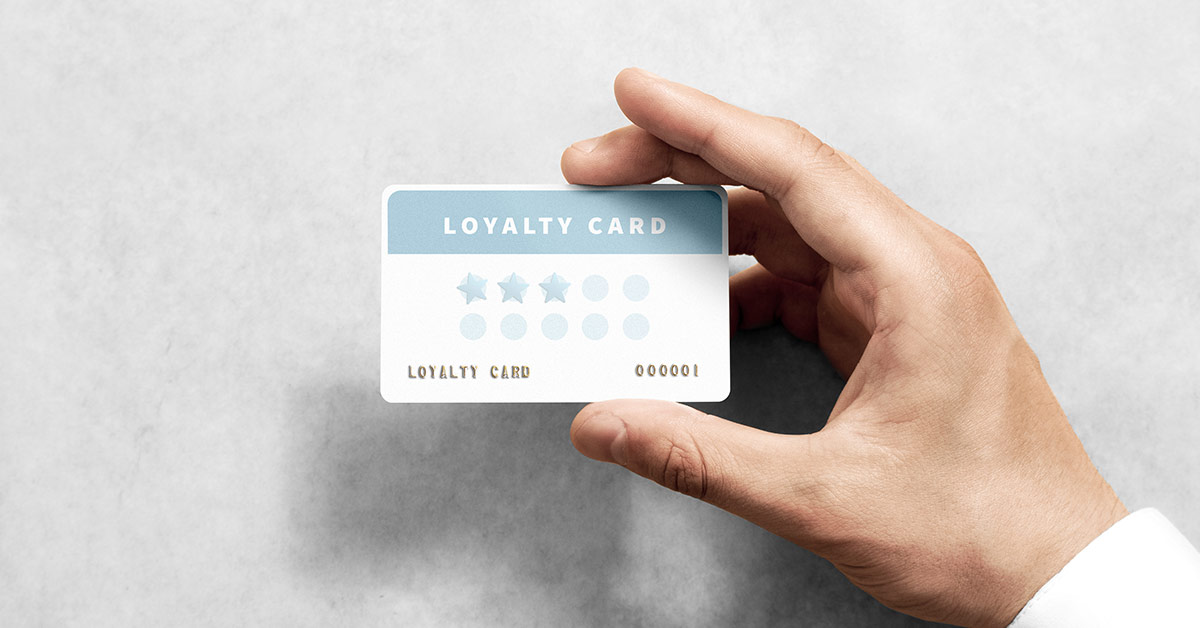
Restaurant loyalty looks nothing like it did a few years ago. The rise of digital-first dining, data-driven personalization, and AI-powered marketing has transformed how restaurants connect with their guests. Customers now expect every interaction, from ordering to rewards, to be seamless, mobile-friendly, and tailored to them.
The shift to digital loyalty isn’t just about convenience anymore—it’s about connection. Restaurants are using technology to turn one-time diners into repeat customers, leveraging apps, CRM tools, and predictive analytics to deliver rewards that feel personal and meaningful.
Yet, even in this era of innovation, some restaurants still cling to an old standby: the paper punch card. So, are traditional loyalty cards finally obsolete? Let’s explore how digital loyalty programs have evolved, and what it takes to create a loyalty experience that keeps guests coming back in 2025, and beyond.
In this blog we’ll cover:
- What is a restaurant loyalty program?
- What are the benefits of switching to digital restaurant loyalty programs?
- How to create a successful digital restaurant loyalty program
- Examples of restaurant loyalty programs
- The importance of a restaurant loyalty program
- How to build a loyalty program with Lightspeed
Launch a stellar customer rewards program
Build a branded mobile app, communicate with customers through automated push notifications and create high-converting email campaigns with our drag-and-drop email builder.
What is a restaurant loyalty program?
A restaurant loyalty program rewards customers for their repeat business. In most instances, these can take the shape of a punch card or a mobile app. Loyalty programs are meant to help restaurants establish a relationship with customers while also providing them with opportunities to win rewards and drive sales for the business.
Loyalty programs of the past
Once upon a time, restaurant loyalty meant carrying a wallet full of paper punch cards, each one promising a free coffee or meal after a handful of visits. These simple systems were easy to understand but hard to maintain. Customers often lost their cards, forgot them at home, or just never claimed their rewards.
For restaurants, the traditional loyalty card might have seemed like a harmless, low-cost perk. But in reality, it missed the bigger picture: loyalty isn’t about discounts, it’s about relationships. The value of a returning guest who feels seen and appreciated far outweighs the cost of a free latte.
Fast forward to 2025, and the punch card feels like a relic. In an era where digital wallets, mobile apps, and AI-driven personalization define the customer experience, a paper card simply doesn’t fit. Today’s diners expect loyalty programs that are frictionless, mobile, and smart. They want programs that remember their preferences, reward them in real time, and make them feel connected to a brand.
The question isn’t just whether loyalty cards are dead. It’s how restaurants can evolve loyalty into something that’s as intuitive and data-powered as the rest of their digital ecosystem.
The future of loyalty programs
The loyalty landscape has evolved far beyond punch cards and generic discounts. Today’s programs are powered by technology that makes every interaction smarter, more personal, and more engaging. With mobile apps now at the center of most loyalty strategies, restaurants can meet guests where they already are: their phones.
Modern loyalty platforms go beyond simple point collection, using data to understand each customer’s preferences, purchase patterns, and dining habits. That means rewards can be tailored to individual tastes, whether it’s offering a free dessert on a guest’s birthday or a special discount on their favorite menu item.
In 2025, the most successful loyalty programs are those that feel effortless and intuitive, and are integrated seamlessly into mobile ordering, digital payments, and marketing systems. When personalization and convenience come together, loyalty becomes less about transactions and more about building lasting relationships that keep guests coming back for more.
The benefits of creating a restaurant loyalty program
So why is it important to have a restaurant loyalty program now and in the long term? After you find out, you’ll be kicking yourself for not having one in place already.
Greater customer retention
Restaurant loyalty programs increase customer retention rates by gamifying the dining experience. When customers can get rewarded for spending money at your restaurant, they have a financial incentive to come back and do it again.
Did you know 72% of customers return to a restaurant after receiving a personalized offer? Without a loyalty program, customers may only come to your restaurant when they’re in the mood for the food and experience you provide. However, when customers are close to a reward through your loyalty program, they’re more likely to come in more frequently to reach that reward sooner.
Greater customer retention can even mean new customers. A loyalty program will allow your regulars to refer their friends for more rewards and points.
Higher customer lifetime value
Loyalty programs help turn customers into regulars. Regular customers have a higher customer lifetime value than one-off visitors. Loyalty programs incentivize customers to make a habit out of going to your restaurant. In fact, loyalty program members buy up to 20% more frequently than non-members. When customers are hooked on your restaurant, they’ll come back often and will spend more over a longer period of time.
More personalized customer experiences
Loyalty programs aren’t just about rewards, they’re about relationships. In 2025, the most effective programs use data and technology to make every customer interaction feel personal and meaningful. By gathering insights such as email addresses, preferences, and purchase history (always with consent), restaurants can deliver tailored offers that truly resonate with guests.
Instead of generic promotions, customers now expect experiences that reflect their habits and tastes, like a personalized birthday treat, a reward for trying something new, or an exclusive offer based on their dining frequency. These thoughtful touches not only encourage repeat visits but also strengthen the emotional connection between restaurant and guest.
Today’s personalization goes far beyond simple segmentation. With AI and CRM integration, restaurants can predict customer behavior, recommend menu items, and even automate loyalty communications at just the right moment. The result? A loyalty experience that feels less like marketing and more like genuine hospitality in digital form.
How to create a successful restaurant loyalty program
Building a loyalty program that truly connects with guests in 2025 means balancing simplicity, convenience, and personalization. Here’s how to design one that delivers long-term results.
1. Embrace mobile loyalty experiences
Your guests live on their phones, so your loyalty program should, too. Mobile apps have become the central hub for restaurant engagement, from digital menus and mobile ordering to payment and rewards. A mobile-based loyalty program makes it effortless for guests to earn and redeem points wherever they dine, and whether it’s in person, on the go, or online.
Modern loyalty platforms often integrate directly with your POS system, giving you valuable insights into customer behavior. This data helps you personalize offers, identify trends, and reward loyalty in ways that keep guests coming back.
2. Keep it simple and seamless
Complex rules and confusing point systems can deter guests. Instead, design a clear, transparent rewards structure that customers can easily understand. Make sure the earning and redemption process works across all channels (dine-in, delivery, and pickup) so guests feel rewarded no matter how they engage with your brand.
A simple, frictionless experience builds trust and encourages participation, turning casual diners into loyal regulars.
3. Empower your team
Your loyalty program is only as strong as the people who bring it to life. Train your staff to understand how the program works, how to help customers enroll, and how to handle redemptions confidently. Include loyalty training as part of your onboarding process so every team member knows how to use the technology and communicate its benefits.
When your staff champions the program, your customers will too.
4. Personalize every interaction
The real power of a digital loyalty program lies in personalization. Use customer data, like order history, visit frequency, and preferences, to craft offers that feel tailored to each guest.
For example, if a customer always orders brunch on weekends, surprise them with double points for a weekday visit. Or, if someone consistently chooses a specific dish, offer a reward tied to their favorite item. Personalized incentives turn loyalty from a transaction into a relationship.
5. Promote it everywhere
Even the best loyalty program won’t succeed if guests don’t know about it. Promote it across all your customer touchpoints, like social media, email newsletters, receipts, and in-store signage. Add clear calls to action on your website and online ordering platform.
You can even boost sign-ups with an incentive, like a welcome reward or exclusive first-time offer. The goal is to make joining your loyalty program feel like an easy, valuable decision for every guest.
Restaurant loyalty program examples
There’s no one way to implement a loyalty program for your restaurant. Your program will also depend on your type of restaurant or the food you serve. Here are some restaurant loyalty program ideas and examples, based on service type.
Cafe/coffee shop loyalty program
Coffeeshops are great candidates for loyalty programs because consumers visit them often, whereas quick-service restaurants (QSRs) might be saved for the occasional lunch and full-service restaurants (FSRs) for special occasions. If your cafe has a loyalty program and your competitors don’t, you can easily lure their customers away by offering them an incentive for their continued patronage.
Consider implementing a loyalty program that gives customers a free beverage after they buy several (“buy nine coffees, get the tenth free!”). Calculate your food cost percentage to figure out how many drinks a customer needs to buy before it makes sense to give one away. Consider buffering your drink prices to make up for this freebie
Quick service restaurant loyalty program ideas
The key to an effective QSR loyalty program is to encourage your customers to make a habit out of ordering from or dining at your restaurant.
Gamifying their visits by letting them collect points will help them work towards rewards like upgraded sizes, free drinks and free meals.
Full-service restaurant loyalty program ideas
Rather than keeping track of how many entrees your customers order (which is analogous to the coffee shop model), your FSR’s loyalty program could track total spend. After a customer has spent a certain amount with your restaurant, they could receive a voucher for their next visit, takeout, delivery order, catering or private event. For example, after spending $100, customers receive $10, or after spending $200 they get $20 off next time.
The importance of loyalty programs
In today’s competitive restaurant landscape, long-term success depends on lasting customer relationships. A strong loyalty program is about those connections. Modern digital programs help restaurants increase retention, boost spending, and create personalized experiences that make every guest feel valued.
The days of the punch card may be behind us, but loyalty itself is more alive than ever. With mobile and AI-driven tools, restaurants can understand their guests better, reward them in real time, and build trust through meaningful interactions. A smart loyalty strategy transforms one-time diners into lifelong advocates.
Customer loyalty beyond the rewards program
True loyalty goes deeper than points and discounts. Customers want to feel recognized, appreciated, and part of your restaurant’s story. The most successful brands know how to blend technology with genuine hospitality.
Here’s how to take loyalty to the next level:
- Engage meaningfully on social media. Respond to comments, share guest photos, and spotlight your regulars. These small gestures foster community and authenticity.
- Be transparent and human. If something goes wrong, own it. Honest communication builds more trust than perfection ever could.
- Recognize your regulars. Remembering a name, a favorite dish, or a preferred table turns a routine visit into a personal experience.
- Celebrate milestones. Use the data you have, like birthdays, anniversaries, and order history, to surprise guests with thoughtful rewards or special touches, even if they aren’t enrolled in your loyalty program.
At its core, restaurant loyalty in 2025 is about combining the warmth of hospitality with the precision of technology. When restaurants use data to enhance (not replace) the human touch, they create the kind of loyalty that lasts far beyond the next meal.
How to build a loyalty program with Lightspeed
Lightspeed has several integrations with the Lightspeed POS to track customer transactions. Each one will give customers points for making purchases at your restaurant, they can easily keep track of their points, and then redeem rewards for discounts and freebies.
With automated integration into Lightspeed Restaurant, you can see how much your customers are spending and on what so that you can send them targeted rewards and offers to make them more likely to spend with you.

News you care about. Tips you can use.
Everything your business needs to grow, delivered straight to your inbox.