RBA Card Surcharge Changes
What's changing from 1 October 2026, what it means for your business and how Lightspeed is helping you prepare.
The announcement
From 1 October 2026, the Reserve Bank of Australia (RBA) reforms will:
- remove surcharging on eftpos, Visa and Mastercard debit, prepaid and credit payments;
- lower interchange fees on domestic cards—debit and prepaid capped at 0.16% (8c), and consumer credit reduced from 0.8% to 0.3%; and
- introduce new payment-fee transparency measures for card networks and large acquirers.
* Looking ahead: further changes follow from 1 April 2027, including a 1.0% cap on foreign-issued card fees and additional merchant-statement transparency requirements through acquirers.

Key dates
- Until 30 September 2026: you can keep surcharging in accordance with the current rules. Use this time to review and update menus, signage and checkout pages so references to card surcharging are removed before the changes take effect.
- From 1 October 2026: Surcharging ends for eftpos, Visa, Mastercard and Amex payments, and lower domestic interchange fees begin. Lightspeed will also disable card surcharging for all card types in your Lightspeed software.
- From 1 April 2027: A foreign-card fee cap and further transparency requirements begin. We’ll provide more detail closer to the time.

American Express
The RBA surcharge reforms apply to eftpos, Mastercard and Visa. American Express has separately decided to remove surcharging from 1 October 2026.

Other card types
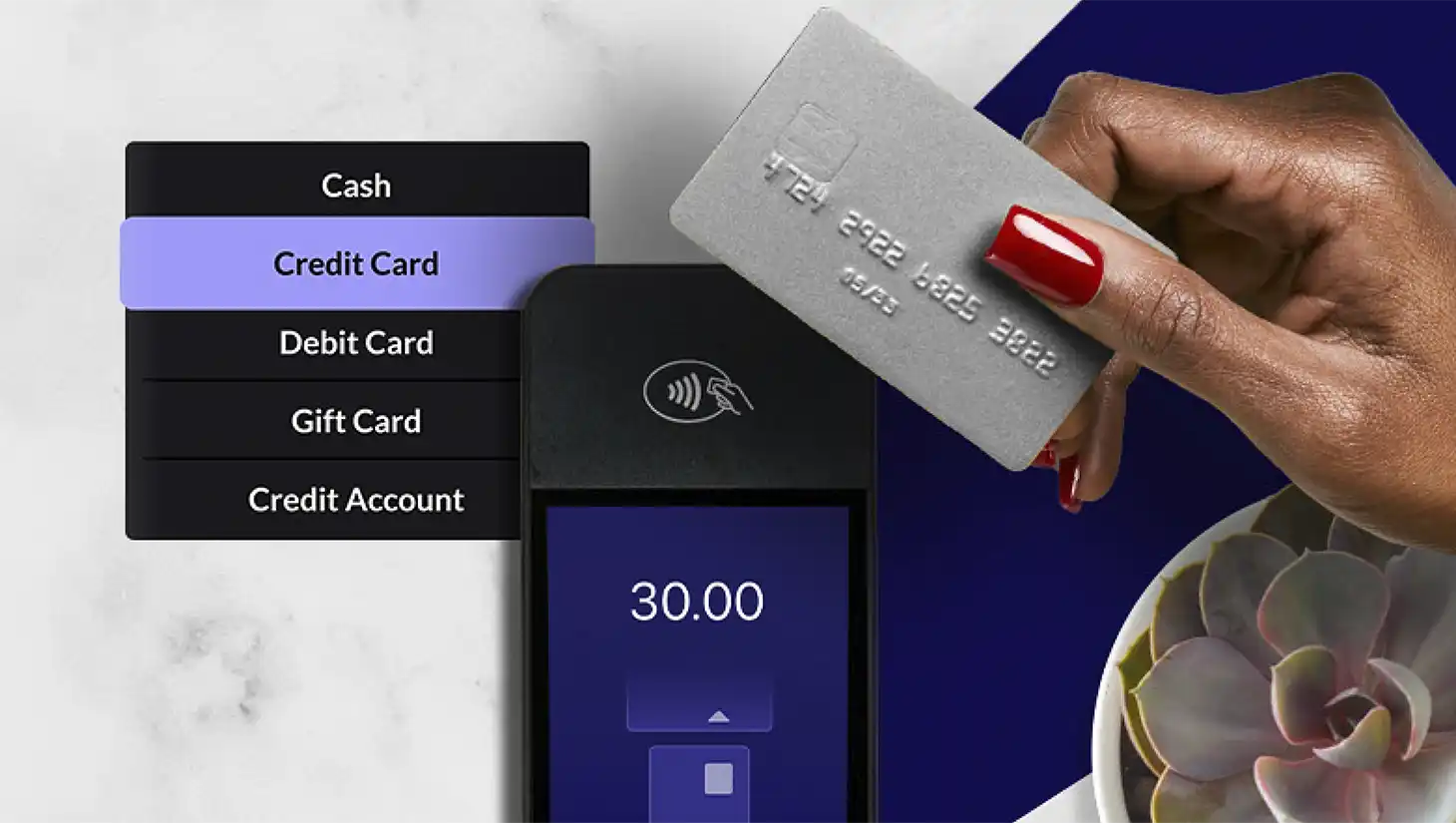
Other card types may be subject to their own rules, but to keep things simple and aligned, from 1 October 2026, Lightspeed will disable card surcharging for all card types in your Lightspeed software.
This includes eftpos, Visa, Mastercard, Amex and, where supported, Discover, UnionPay, JCB and Diners Club. It also includes card payments made through mobile wallets, such as Apple Pay or Google Pay.

Non-card payment methods
Other payment services, such as Buy Now Pay Later, PayPal, e-commerce platforms and mobile wallet platforms, aren’t covered by the RBA card surcharge changes and continue under their own rules.
The RBA is separately reviewing broader payment regulation, including some of these services. We’ll update this guidance as further information becomes available.

Lightspeed POS & Payments
Your setup keeps working, and there's nothing you need to update.
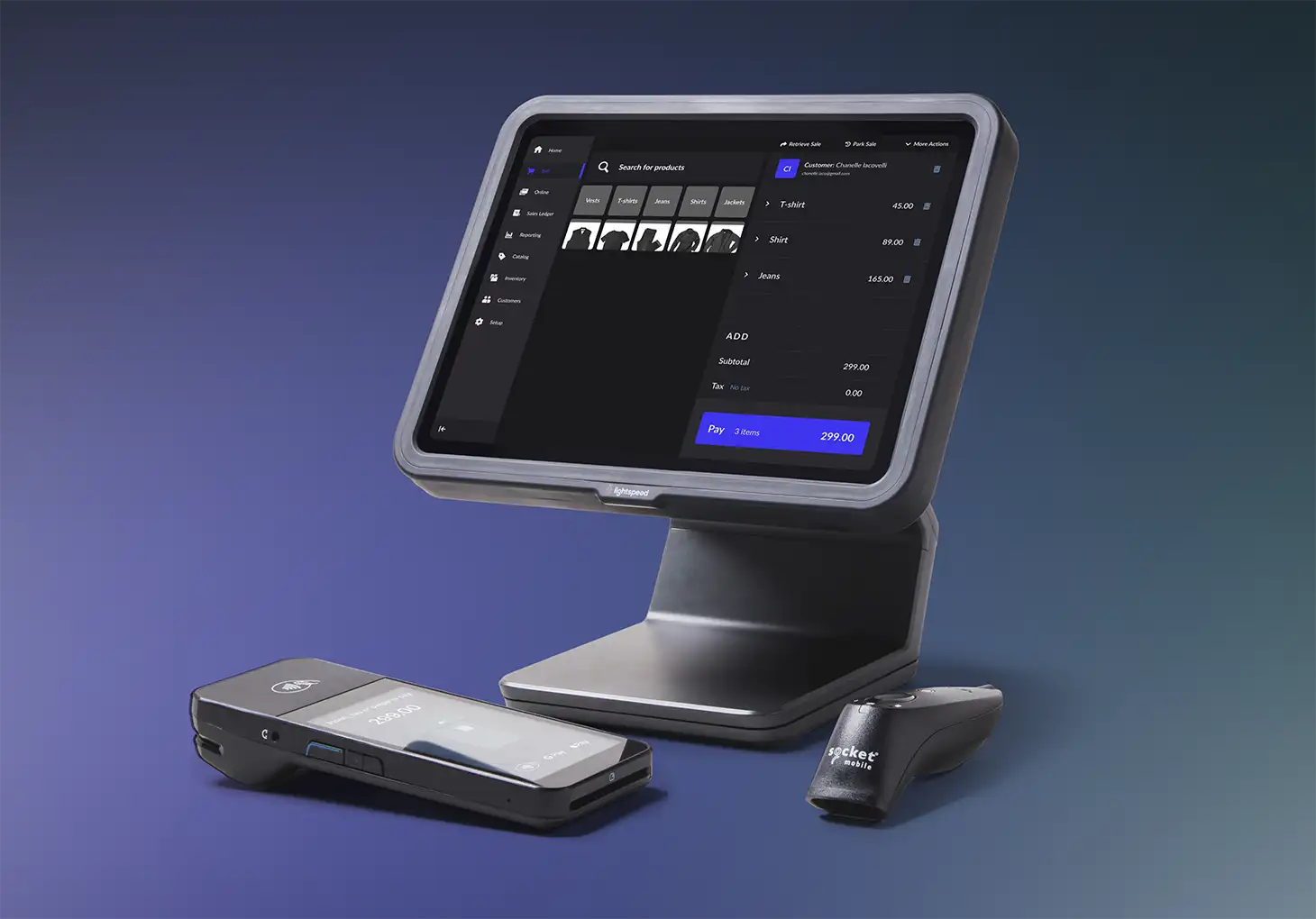
You can keep using your existing hardware—your iPads, terminals and printers will all continue to work as normal.
From 1 October, we'll disable surcharging on all card types in your Lightspeed software automatically, there's nothing you need to do.
Your system will continue to accept payments as usual—the only change is that card surcharges will no longer be applied at checkout.
Resources


Lightspeed does not provide tax, legal or accounting advice. This post has been prepared for informational purposes only, and is not intended to provide, and should not be relied on for, tax, legal or accounting advice.
This information is general in nature and does not constitute legal, financial or business advice. Businesses should check current requirements and seek professional advice where appropriate.