
How Shimbashi blends traditional Japanese craftsmanship with modern hospitality technology
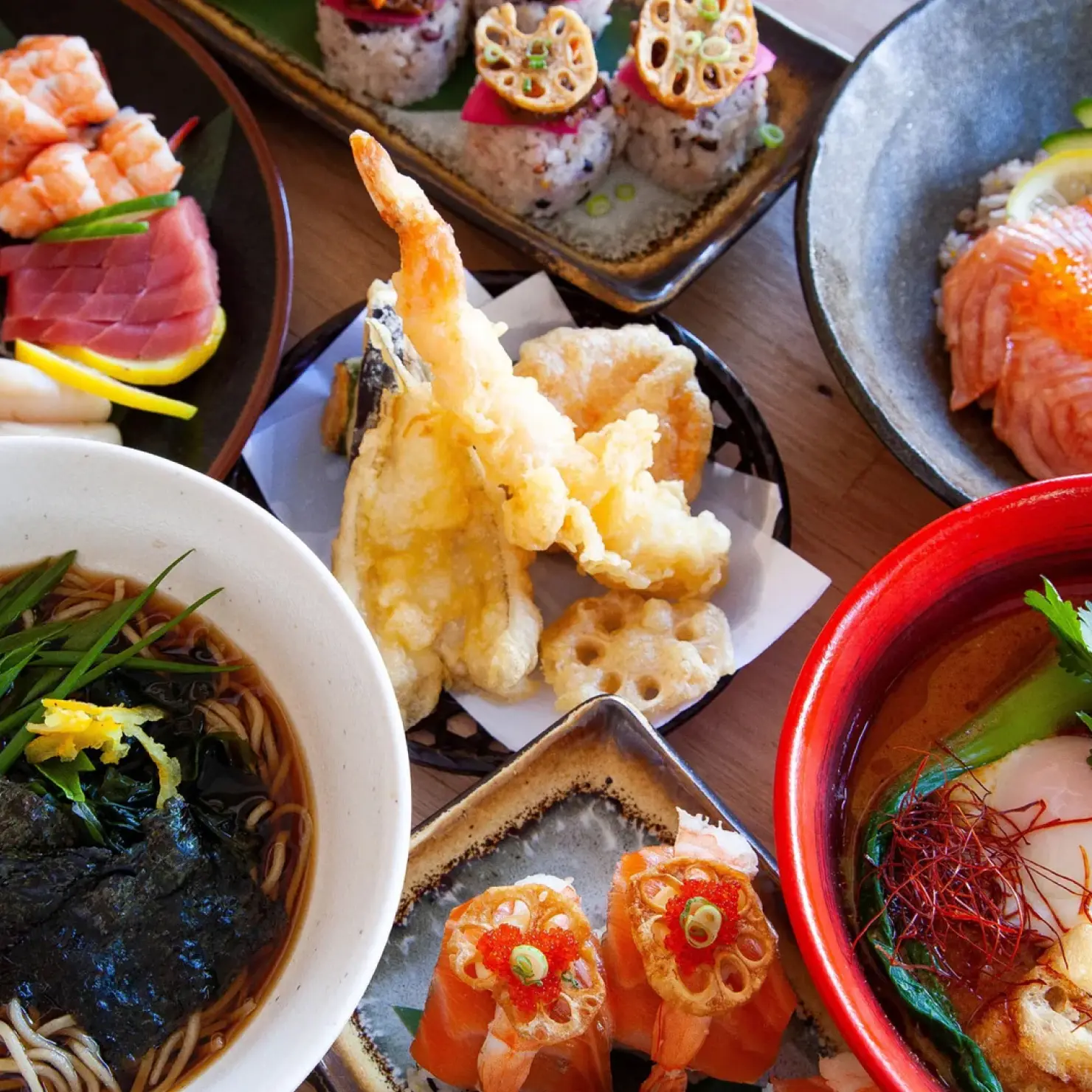
For more than a decade, Shimbashi has been introducing Melbourne diners to authentic Japanese soba made using techniques passed down through generations. Taught by soba masters in Akita, Japan, the team mills Tasmanian buckwheat and makes its 100% gluten-free soba fresh in-house each day. But while the food may be rooted in tradition, the business behind it embraces modern technology to support its continued growth.
Dine-in trade supported by connected ordering, payments and operational reporting
- 70–80%
Building a smarter hospitality operation
For Operations Manager Ka Qi Lau, improving the business means constantly looking for ways to make operations simpler and more efficient.
From payroll and supplier relationships to marketing, technology and business growth, his role touches almost every part of the operation.
When Ka joined Shimbashi in 2024, one of the first things he identified was the need for a better point of sale system.
 “When I first came on board, we didn’t have Lightspeed… It was a different POS system… it was so clunky, especially with online ordering, and there were a lot of bugs. There was no focal point or proper support in terms of fixing the bugs and issues,” he says.
Having worked with several hospitality POS providers throughout his career, Ka already knew what he was looking for.
“I wanted something that gives me peace of mind,” he says.
Connecting every part of the business
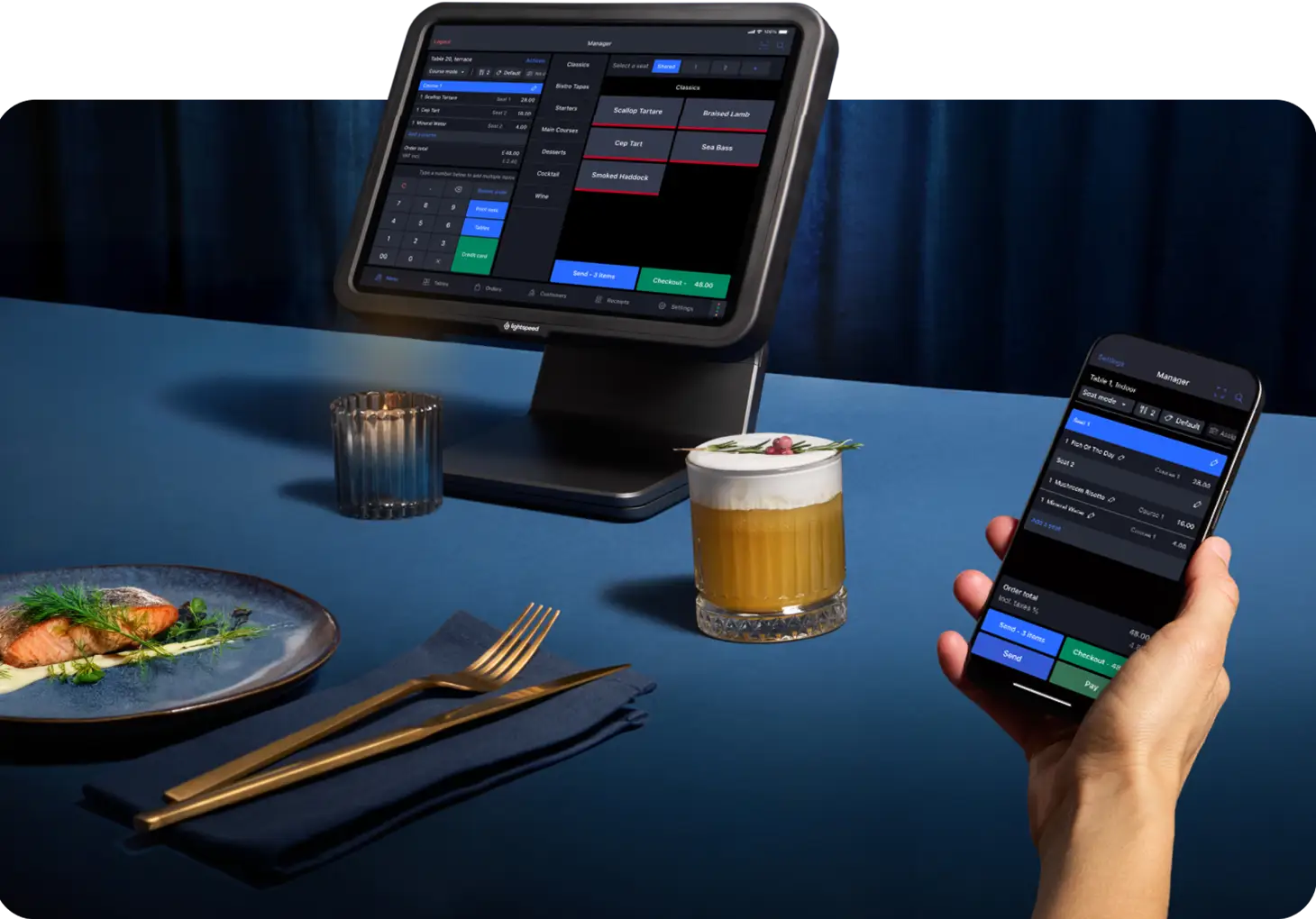
Today, Lightspeed sits at the centre of Shimbashi’s hospitality technology ecosystem.
Integrated with Deliverect, online orders from Uber Eats and DoorDash now flow directly into the POS, eliminating much of the manual work that previously slowed the team down.
“Back in the past, we had different tablets. We had to manually accept the orders, we had to, manually put it out of stock, and we (had to) do three different styles of reports by looking at different tablets here and there,” says Ka.
Now, everything flows through a single platform.
“With Deliverect, I was able to see everything in one portal, which was quite easy as an end-of-day sales report.”
The restaurant has also integrated OpenTable, allowing guests to manage reservations online without needing to contact the venue directly.
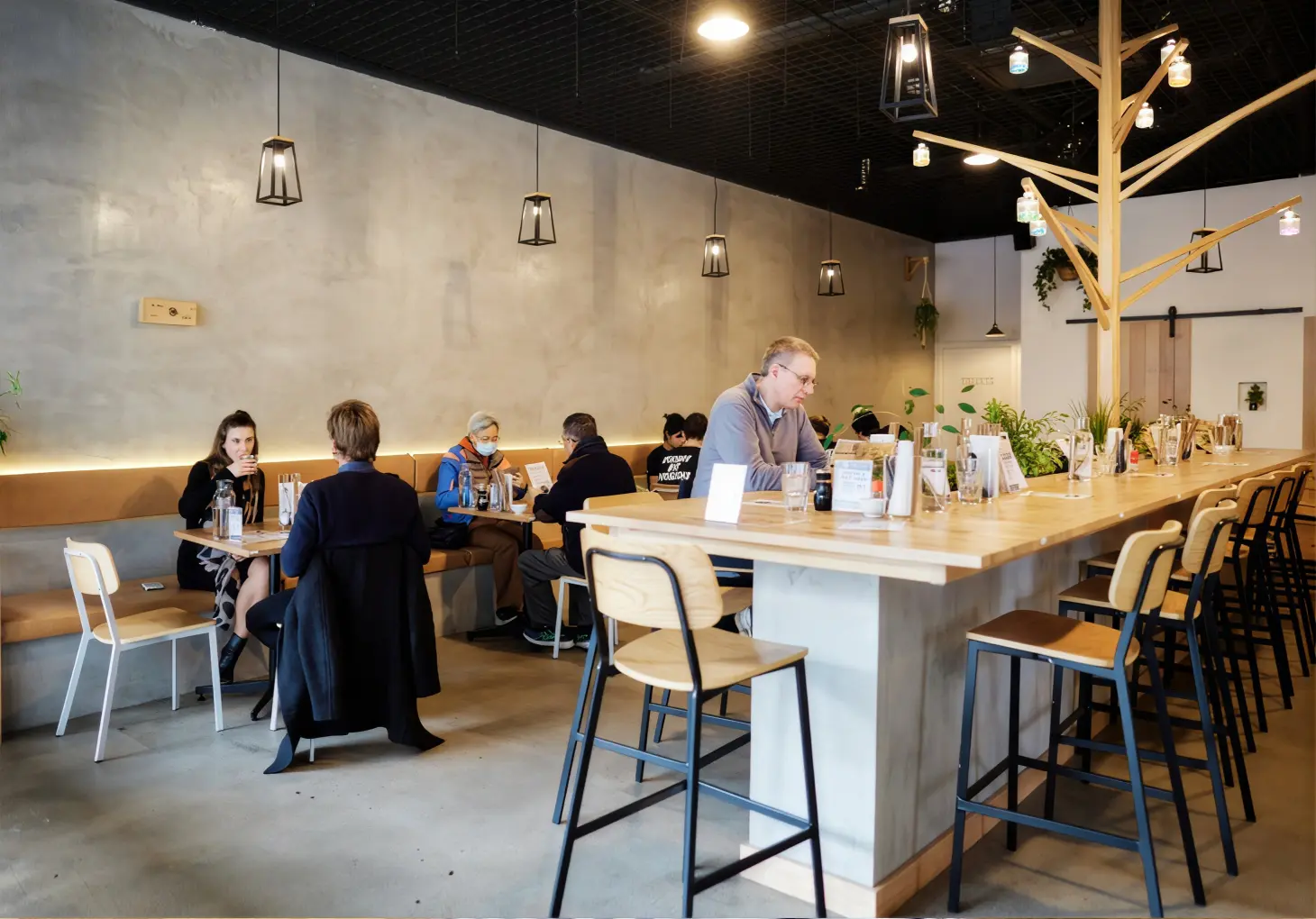
“The most important thing is the customer experience because they’re able to make a booking quite easily, compared to back in the past, I had people try to book, and when they try to cancel… or when they want to change, they have to give the store a phone call.”
Together, those connected systems allow the team to spend less time managing technology and more time focused on delivering great hospitality.
“We have a very good point of sale system with Lightspeed and very good integration partners. That helps make our operation smoother.”
Turning data into better decisions
As Shimbashi has expanded across Melbourne, reporting has become one of the business’s most valuable operational tools.
“(The data insights are) really in-depth,” says Ka. “It tells you your table covers, how many minutes or hours they spend on a table, who are your top sellers.”
Those insights help the team make better decisions across everything from menu development to staffing.
“I look at the reconciliations quite a lot, the daily sales summary on the insights. I look at hourly sales, our most popular product to the least popular, so we can always update our menu… I actually roster my staff together with the hourly sales report,” he explains.
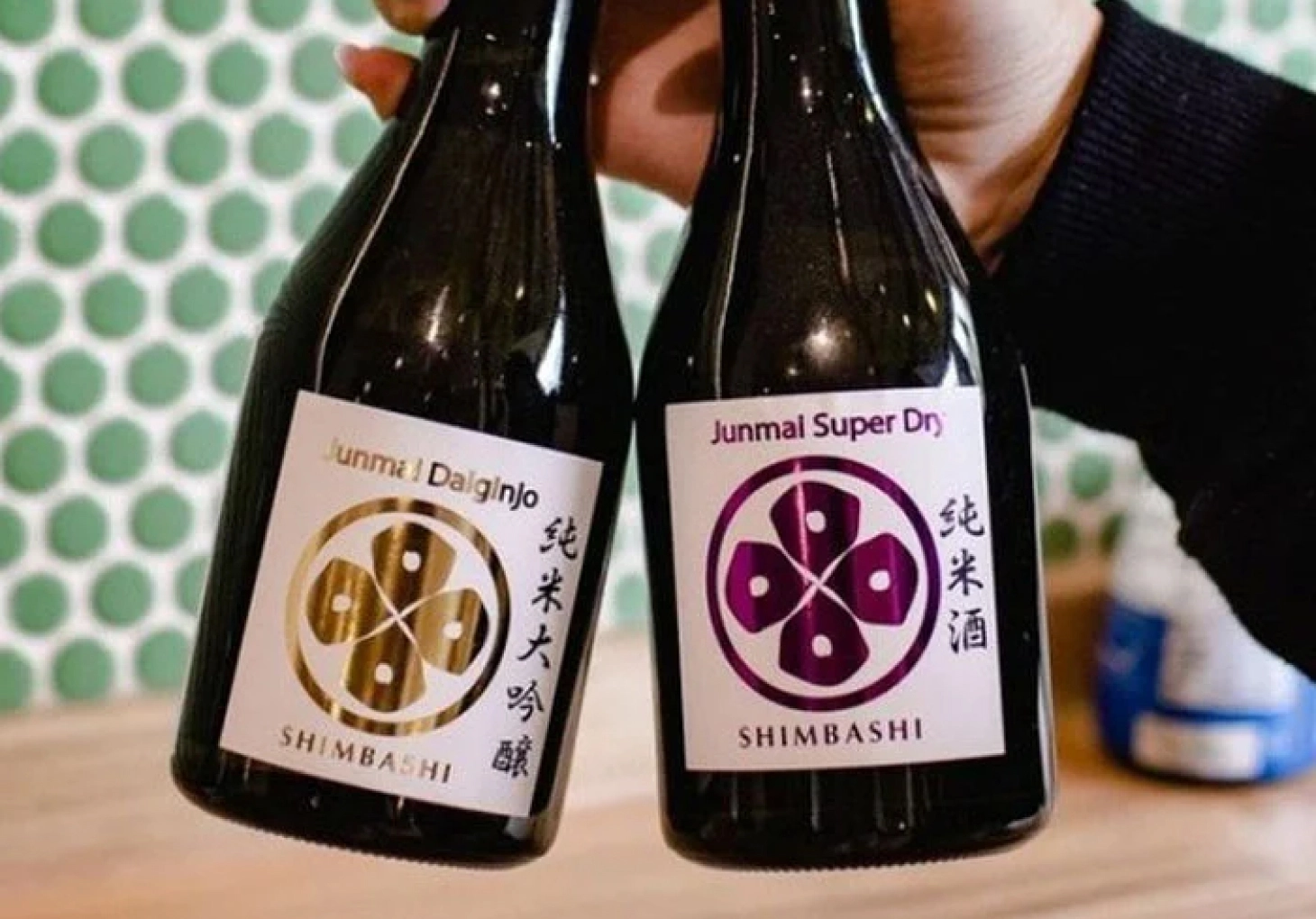
Reporting also supports Shimbashi’s approach to seasonal menus. Each location offers slightly different dishes, while new summer and winter specials are introduced every six months to give returning customers something new to discover.
Building for the next stage of growth
Since opening its first restaurant in 2010, Shimbashi has continued expanding across Melbourne, with further growth already on the horizon.
For Ka, choosing Lightspeed wasn’t simply about replacing one POS system with another. It was about creating a technology foundation that could grow alongside the business.
The transition proved straightforward thanks to Lightspeed’s onboarding resources.
“There were a lot of tutorial videos in terms of onboarding. When I watched (them), it was so easy for me to understand. Even for someone that maybe English is not their first language, I think it’s really, really easy.”
Features like Lightspeed Payments have also given the team greater confidence during busy service periods.
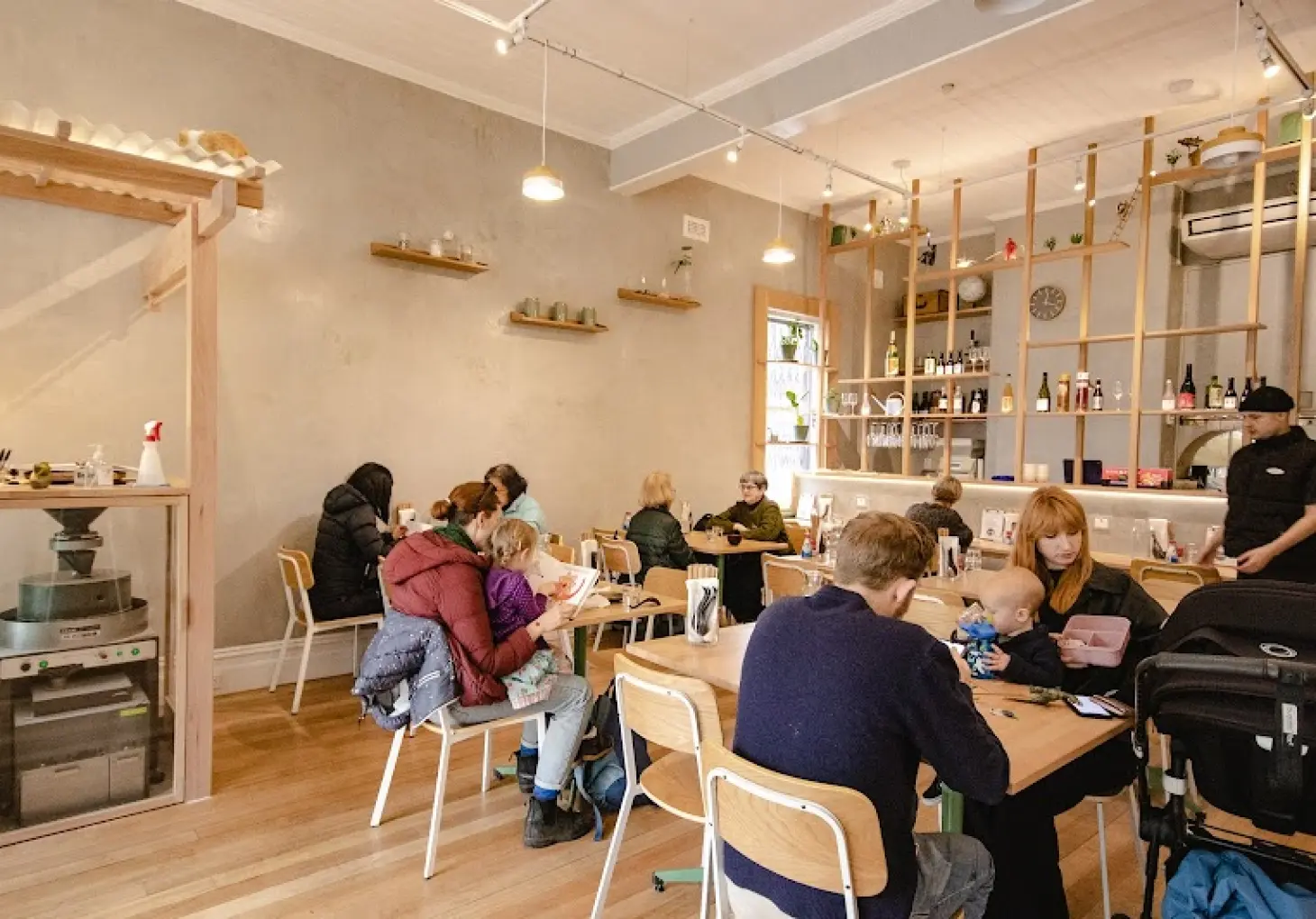
“Lightspeed Payments has 4G backup in case our internet cuts off… (If) you have a disconnection with the Wi-Fi network, you still can take payments, so it’s really good,” says Ka.
After working with multiple hospitality POS platforms throughout his career, Ka now confidently recommends Lightspeed to others in the industry.
“I’d definitely recommend Lightspeed as a point of sale provider. I’ve been giving referrals to some people around my connections.”
For a business built on centuries-old craftsmanship, Shimbashi has found that the right technology doesn’t replace tradition. It protects it, giving the team the confidence to focus on what they do best: serving authentic Japanese food, made the traditional way.
Business type:
Restaurant
Products used:
Lightspeed Restaurant
Lightspeed Payments
Deliverect
OpenTable
Location:
Melbourne, VIC