
How Glory Days Keeps Bondi Moving with Lightspeed and me&u
Inside the iconic Bondi Pavilion, Glory Days has built a reputation as a go-to spot for post-swim coffees, brunch catchups and fast-moving morning trade. From run clubs and fitness groups to tourists and local regulars, the venue sees a constant flow of customers from sunrise onwards.
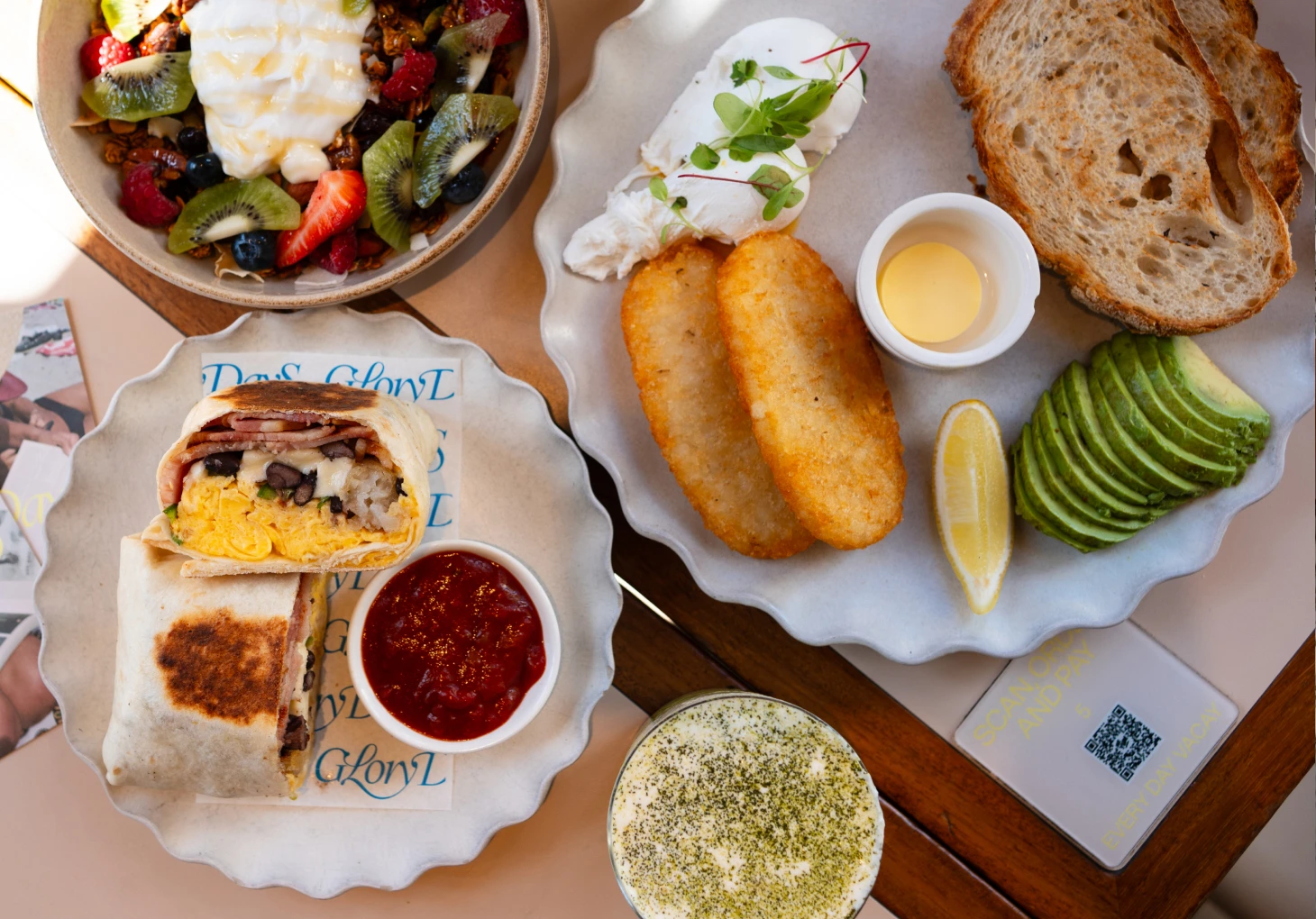
Today, mornings at Glory Days are driving some of the venue’s highest volumes.
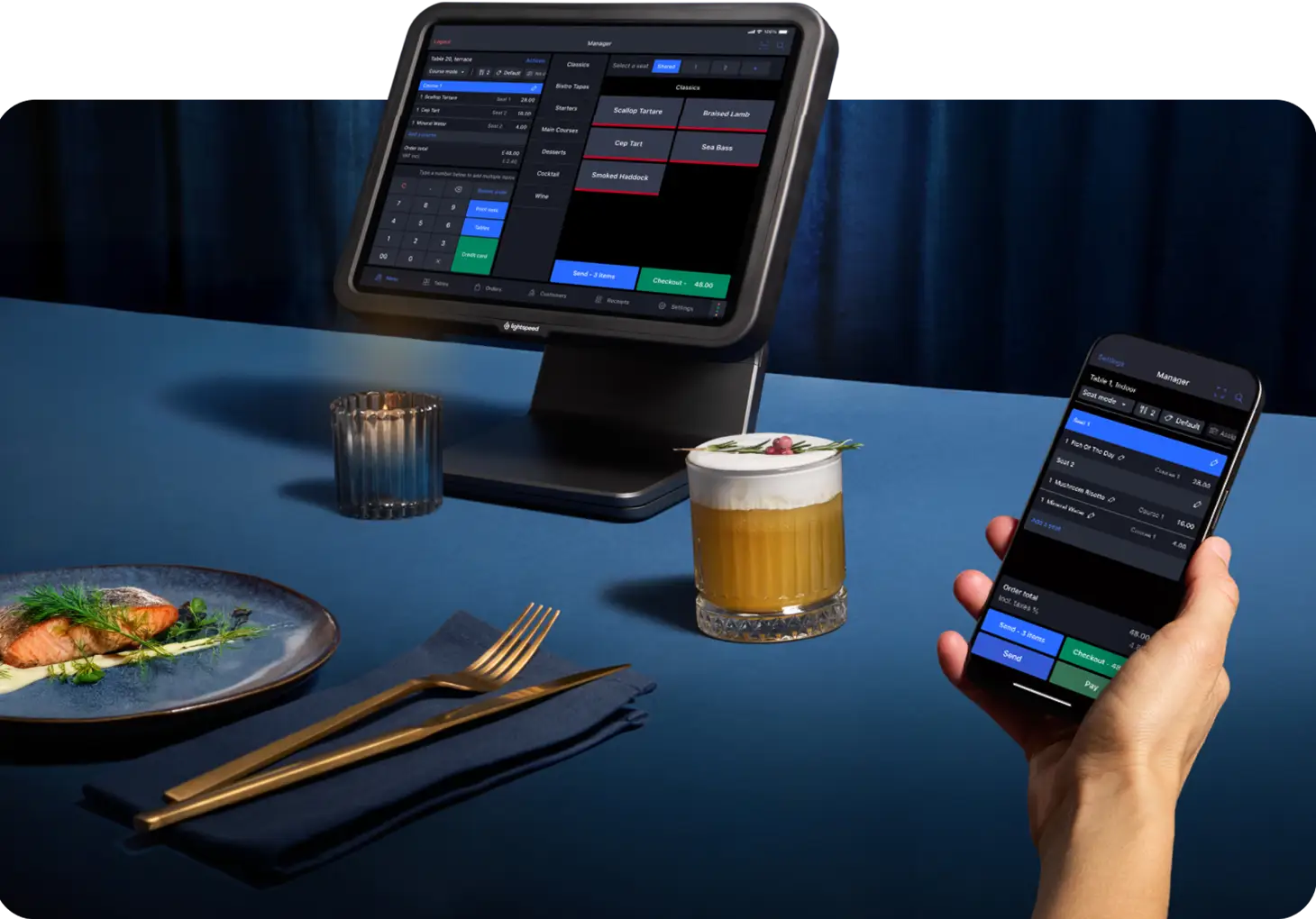
Lightspeed and me&u
help Glory Days improve speed of service without sacrificing hospitality
Peak seasonal trade placed through me&u
- ~65–70%
Creating a faster, more flexible service model
For General Manager Alfie Orchard, balancing speed, hospitality and operational efficiency is critical, especially during the venue’s busiest morning rushes.
His connection to the business goes back to its earliest days.
“When they renovated the Pavilion in 2022, what used to be The Bucket List went up for tender,” says Alfie. “We thought it was the perfect opportunity to build a new vision and take something on ourselves. Glory Days was born.”
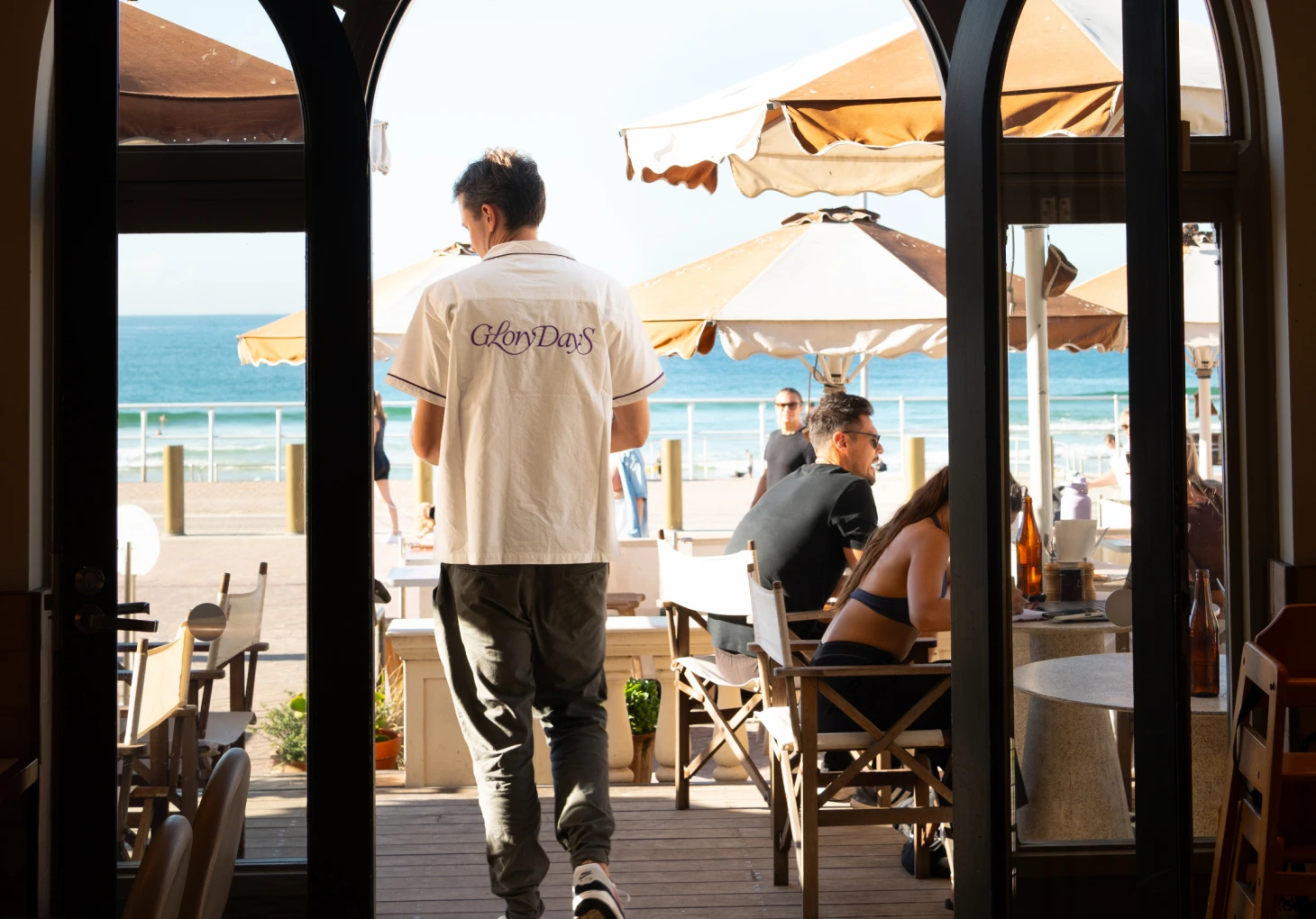
When Alfie first joined the venue, service relied heavily on manual ordering and individual transactions.
“When I joined, we were heavily Lightspeed-focused. We took a lot of manual orders and single transactions,” he explains.
As Glory Days integrated me&u with Lightspeed, the team quickly saw improvements in speed, flow and operational efficiency.
“As we started to integrate me&u with Lightspeed, it made service so much more seamless,” says Alfie. “Having those two systems talk to each other is super helpful. It speeds things up, makes service easier and gives us more time to touch base with tables.”
Rather than replacing hospitality, the technology helped the team spend more time engaging with guests directly.
“It has improved our wage bill massively,” Alfie says. “Operationally, it means we have more time to touch base with tables without having to do the ordering aspect ourselves. While we run with fewer staff, we can actually have more conversations with guests.”
Keeping pace during peak trade
For a venue built around fast-paced morning service, maintaining operational flow is essential.
“The biggest problem solved instantly was speed of service,” says Alfie. “When dockets are coming through thick and fast, as soon as one thing breaks, your flow slows down and your operation slows down.”
The integrated docket and ordering flow between me&u and Lightspeed has helped the kitchen better manage high-volume service periods.
“The docket system staggers orders, which is really beneficial,” Alfie explains. “If you have a group of four at a table, you don’t get everything through at once. Orders come through one after another, which makes it easier for the kitchen to handle.”
At the same time, the system still groups guest orders together intelligently to maintain the dining experience.
“If guests order within 90 seconds, it groups the order together so the food still comes out at the same time.”
Improving operational efficiency in a rising cost environment
For Alfie, improving efficiency has become one of the most important ways hospitality venues can protect profitability.
“In hospitality at the moment, there are a lot of areas where you can’t cut costs,” he says. “Product costs are going up, wages are going up and overheads are going up.”
“The only thing you can do to bring costs down is improve your operation and your efficiencies.”
Using me&u and Lightspeed together has helped Glory Days streamline operations while handling major seasonal spikes in trade.
“Revenue-wise, around 65 to 70% of our revenue goes through me&u,” Alfie explains. “During those spikes, me&u lets us open the funnel and get the maximum amount of revenue in while people are in the venue.”
Using data to personalise hospitality
Beyond operational improvements, the venue also uses customer and ordering data to strengthen relationships with regular guests.
“Through me&u and our database, we can see who our top customers are and who our repeat customers are,” says Alfie.
That visibility allows the team to create more personalised guest experiences and targeted promotions.
“We can even target certain products to certain customers,” he says. “The most beneficial way we use it now is seeing who our top customers are, then doing nice little things to look after those people.”
The team also uses menu positioning and visual ordering to influence purchasing behaviour and encourage add-on sales.
“If someone has to go through eight pages to get what they want, they get bored and pick something at the top,” Alfie explains. “If we’re launching something new, we make sure it’s positioned in the right spot on the screen.”
Building a more informed operation
For Glory Days, the value of connected technology extends well beyond service itself.
“Without the technology, it would take ten times longer to do the daily reporting and data analysis,” Alfie says. “I can do that strictly on a Monday and then be in service the rest of the week.”
The team now relies on operational data to make faster, more informed decisions across the business.
“We use the numbers to make informed decisions,” says Alfie. “The data helps us go into meetings and situations with solutions and answers, rather than trying to work it out afterwards.”
At the same time, one lasting idea rings true, that hospitality remains deeply human.
“There’s still a human element to it,” he says. “My management team and I have our own opinions, and the data complements those opinions rather than completely dictating them.”
Business type
Cafe
Products used
Lightspeed Restaurant
Lightspeed Payments
me&u
Accounting (Xero)
Tech Pantry
Location
Bondi, NSW