Across the country, who tips and when
Our research unpacks what makes a UK diner tip
Want to know what drives your guests' behaviour when the bill arrives? We asked the tough questions, identifying the patterns and generational differences that make up UK tipping culture.

From behavioural psychologist, Jo Hemmings
“Dining out is a very social and personal occasion, whether you’re interacting with the people you’re with or the restaurant staff. Research has shown that certain groups of people, often women or younger generations, can feel uncomfortable at the idea of appearing ‘stingy’ in front of others if they were to not pay a service charge or leave a tip. This is because we come to internalise these types of charges as a moral obligation instead of something transactional, leaving us feeling as though paying is the right thing to do even if our experience wasn’t up to standard.”
How UK diners reflect on tipping
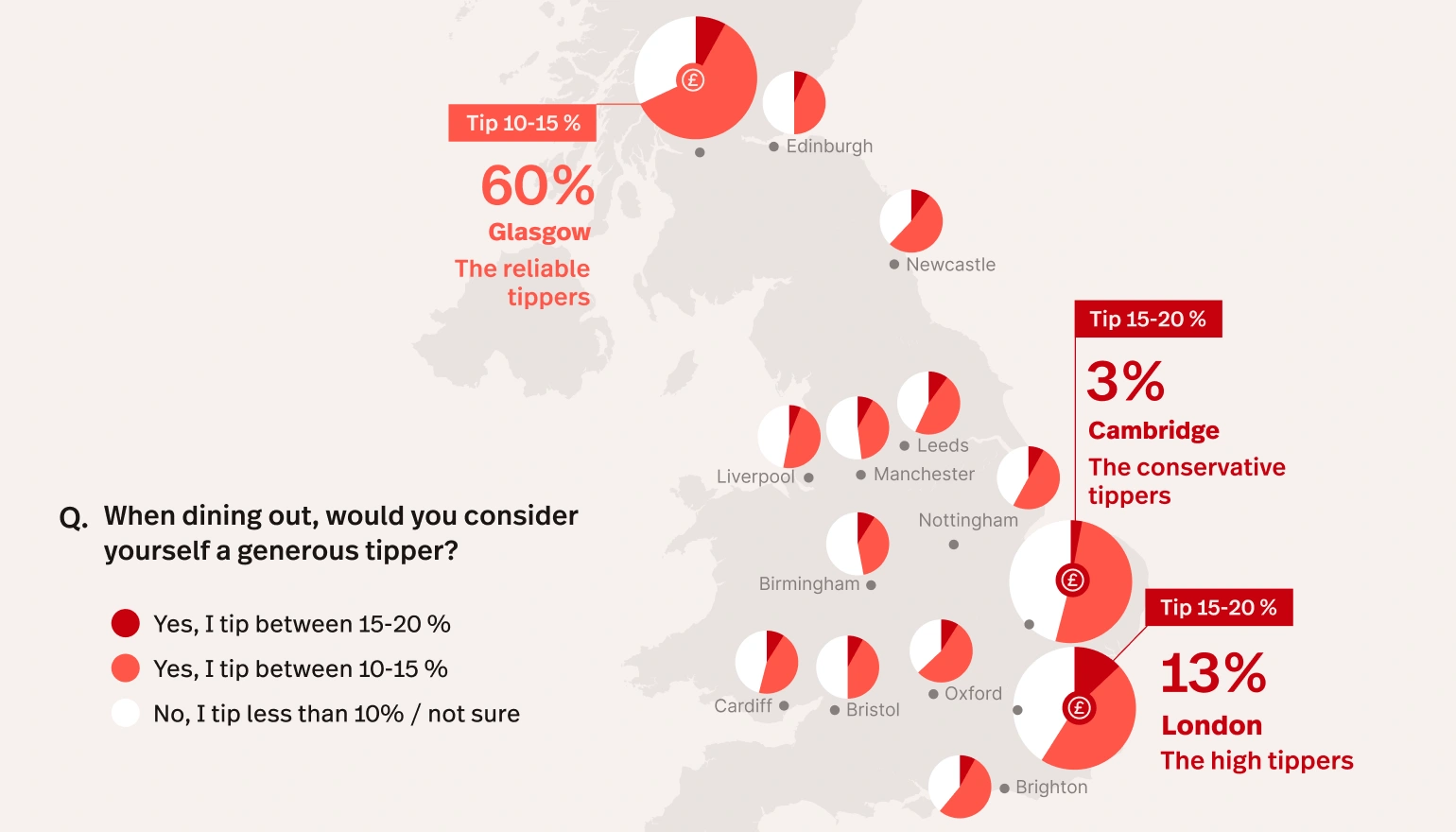
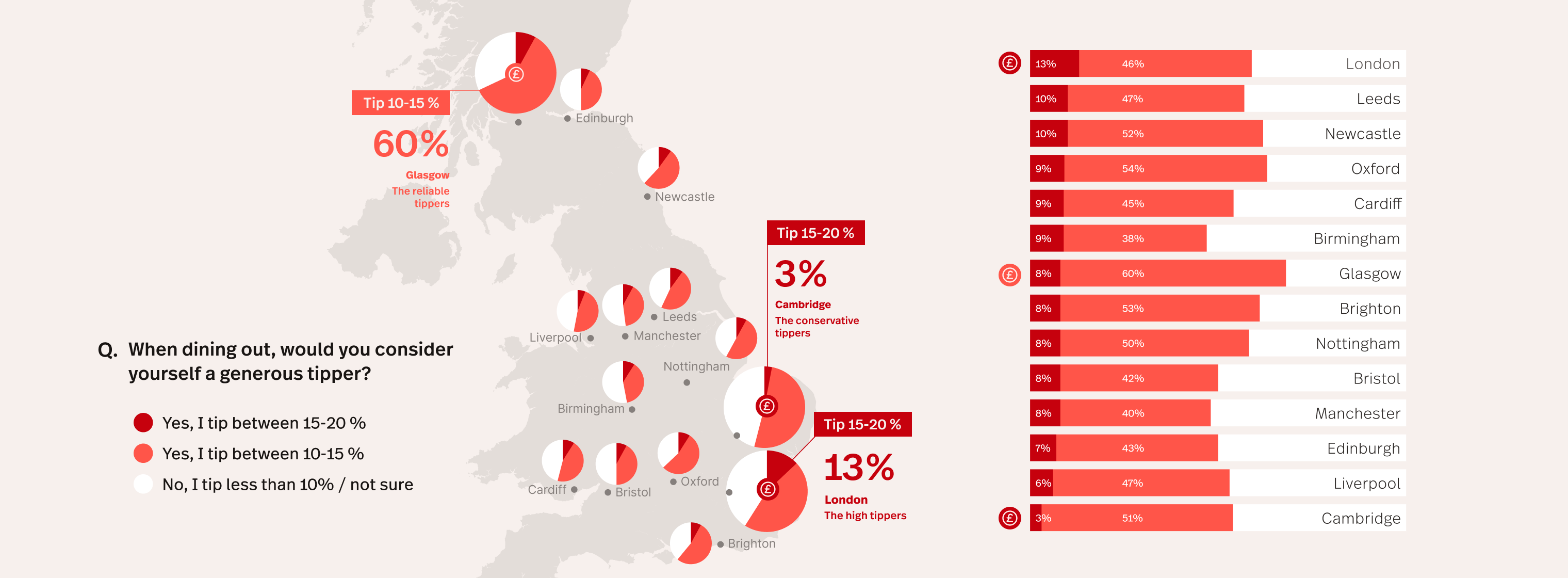
From Brighton to Glasgow, here's how 14 cities around the UK rate their own generosity.
The Goodwill Giver
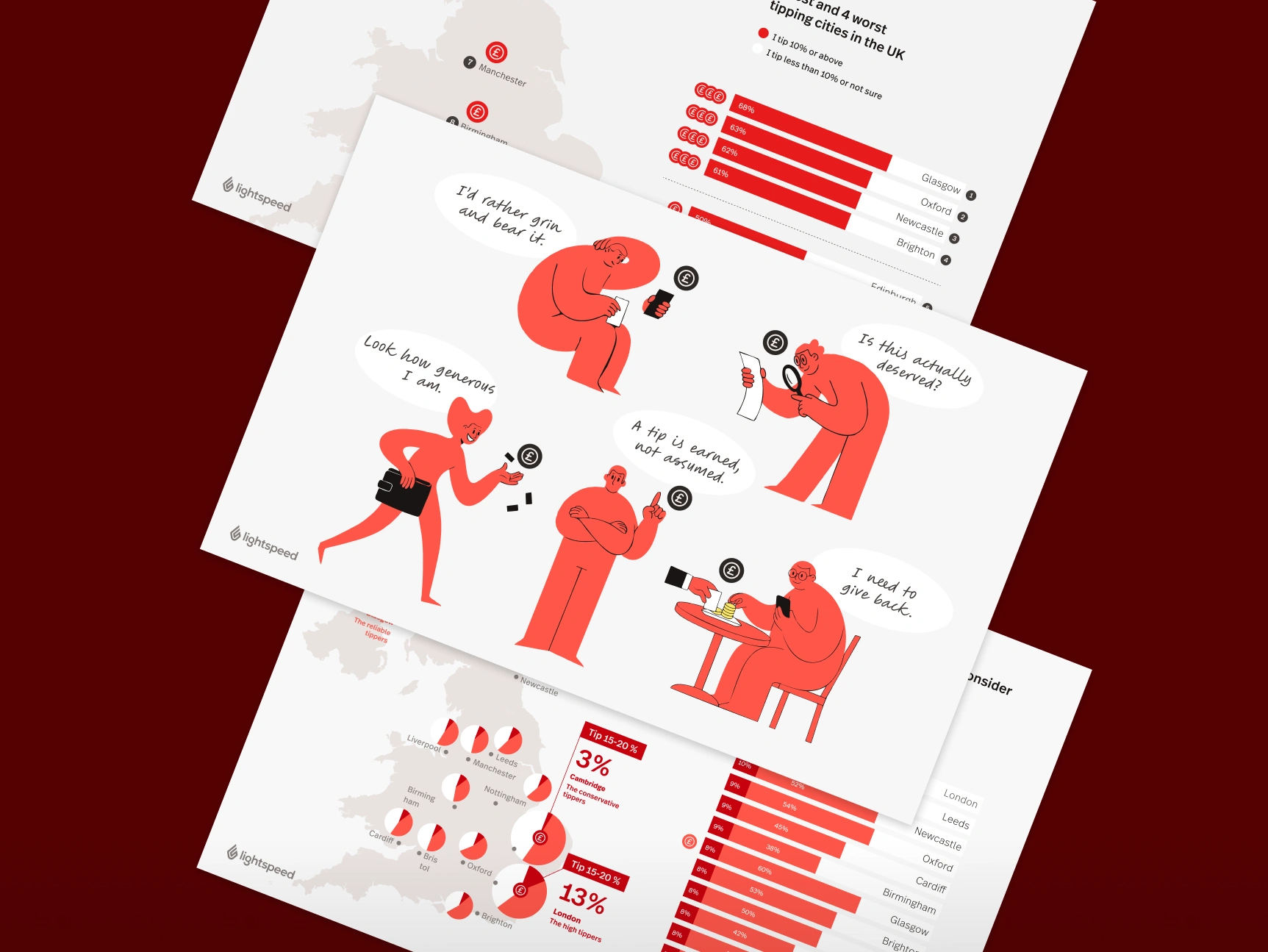
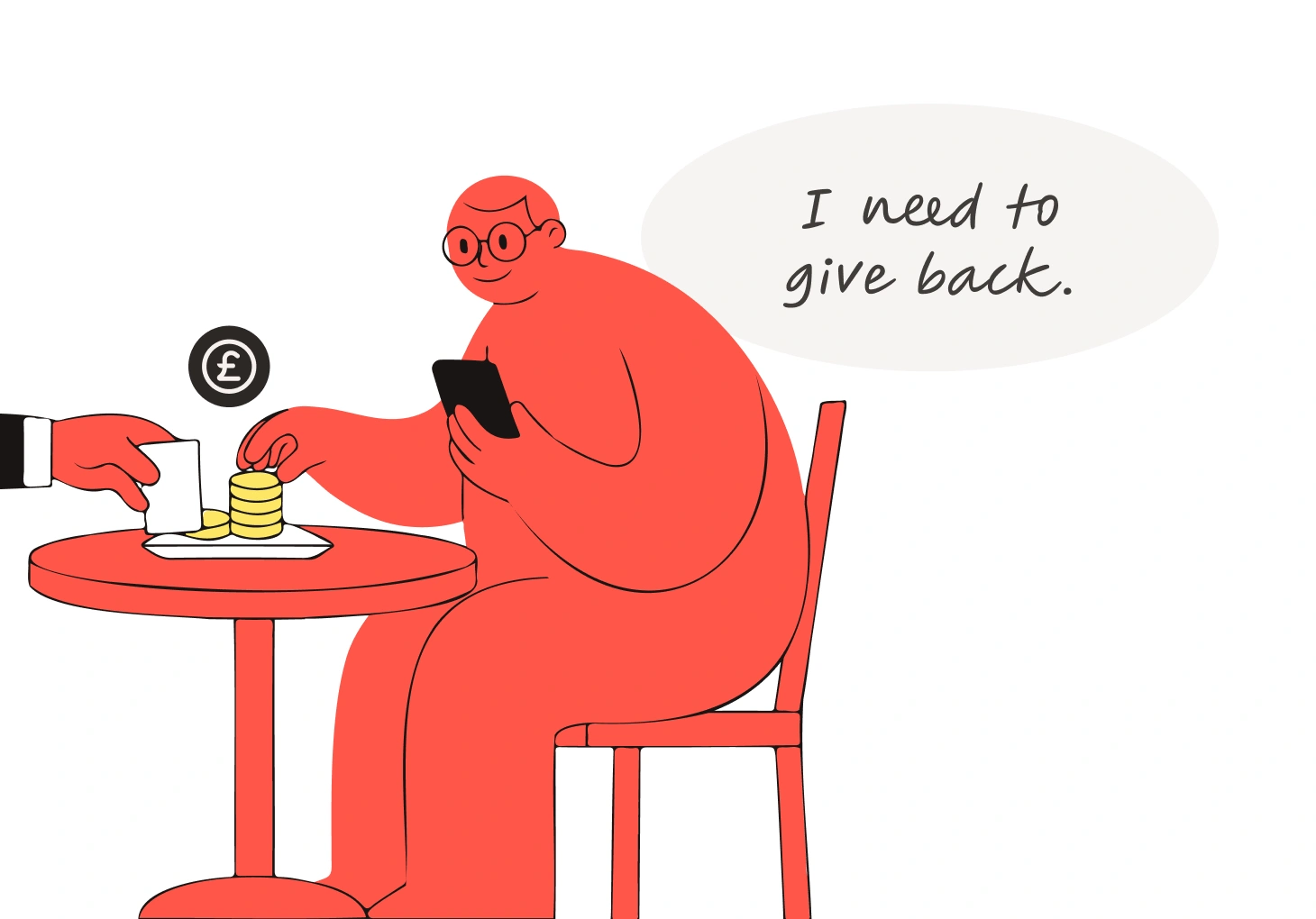
- Who they are: Usually younger (18–29)
- Tips: Empathetically and generously.
- Why: Understands the pressures facing the hospitality industry and wants to support it. To them, paying service charge and tipping is an act of collective responsibility.
- Thinks: “I need to give back.”
- Can sometimes: Pay a service charge in spite of a bad experience.
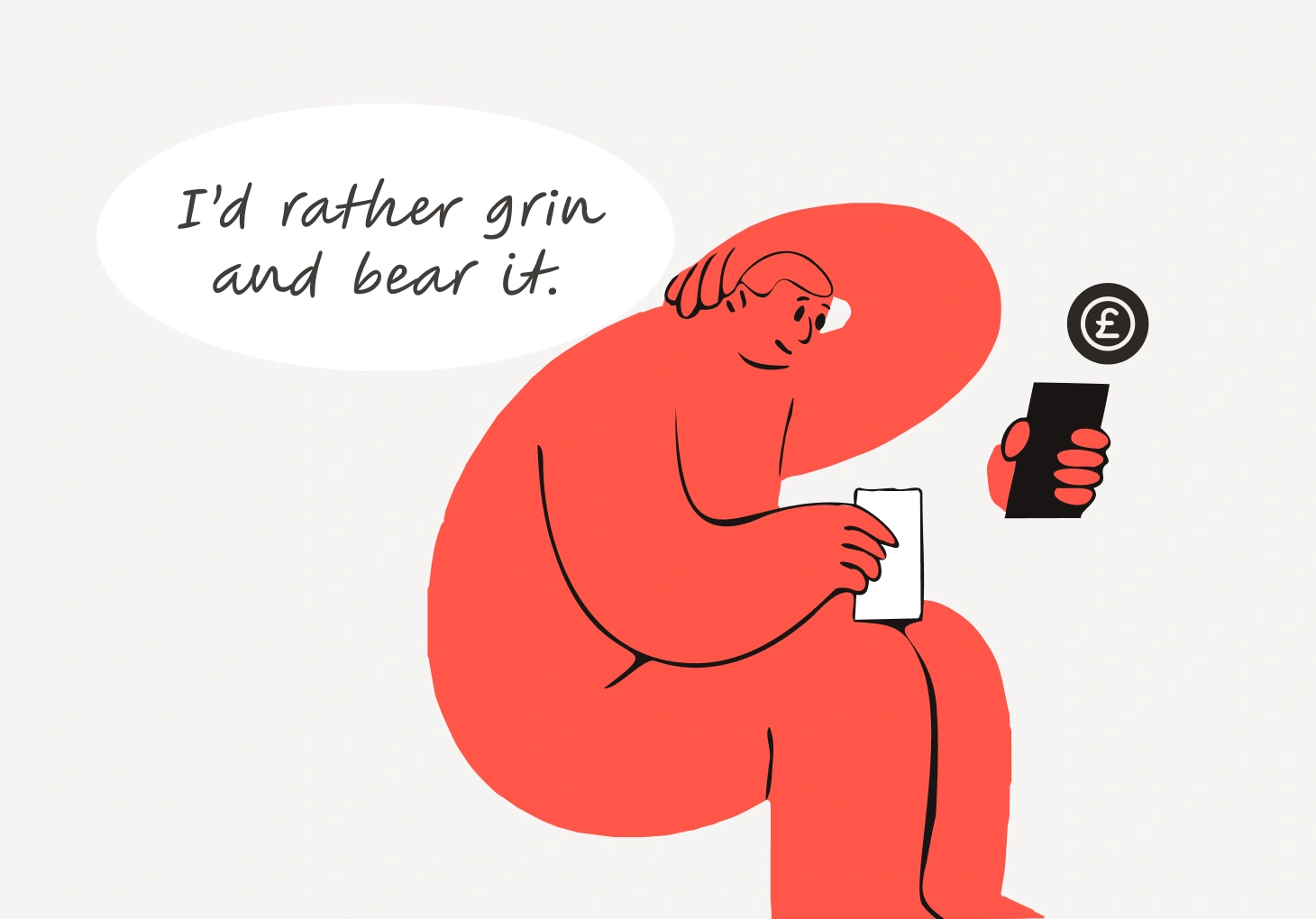
The Silent Sigher
- Who they are: Broad age range, but often female
- Tips: To avoid awkwardness, even if they don’t like it.
- Why: Wants to avoid conflict, but feels as though there are certain social norms they need to abide by. To them, the act of tipping is a way to keep the peace.
- Thinks: “I’d rather grin and bear it.”
- Can sometimes: Tip differently to how they feel.
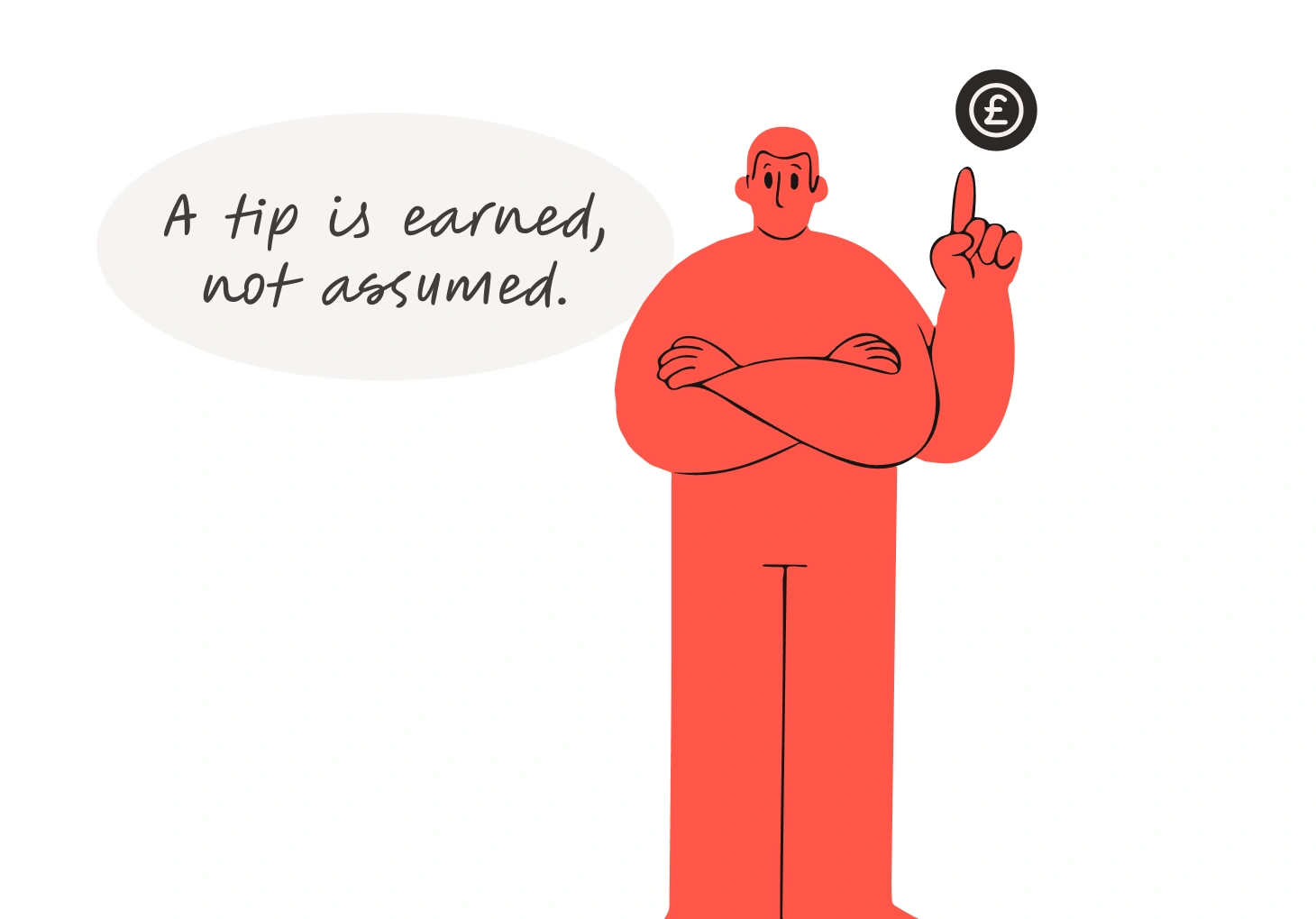
The Tip Traditionalist
- Who they are: Often 60+
- Tips: Modestly and occasionally.
- Why: This diner doesn’t believe that tipping or service charge should be automatic. Their tip says, “I’m in control and it’s my choice.”
- Thinks: “A tip is earned, not assumed.”
- Can sometimes: Feel frustrated with restaurants assuming they want to tip or pay service charge.
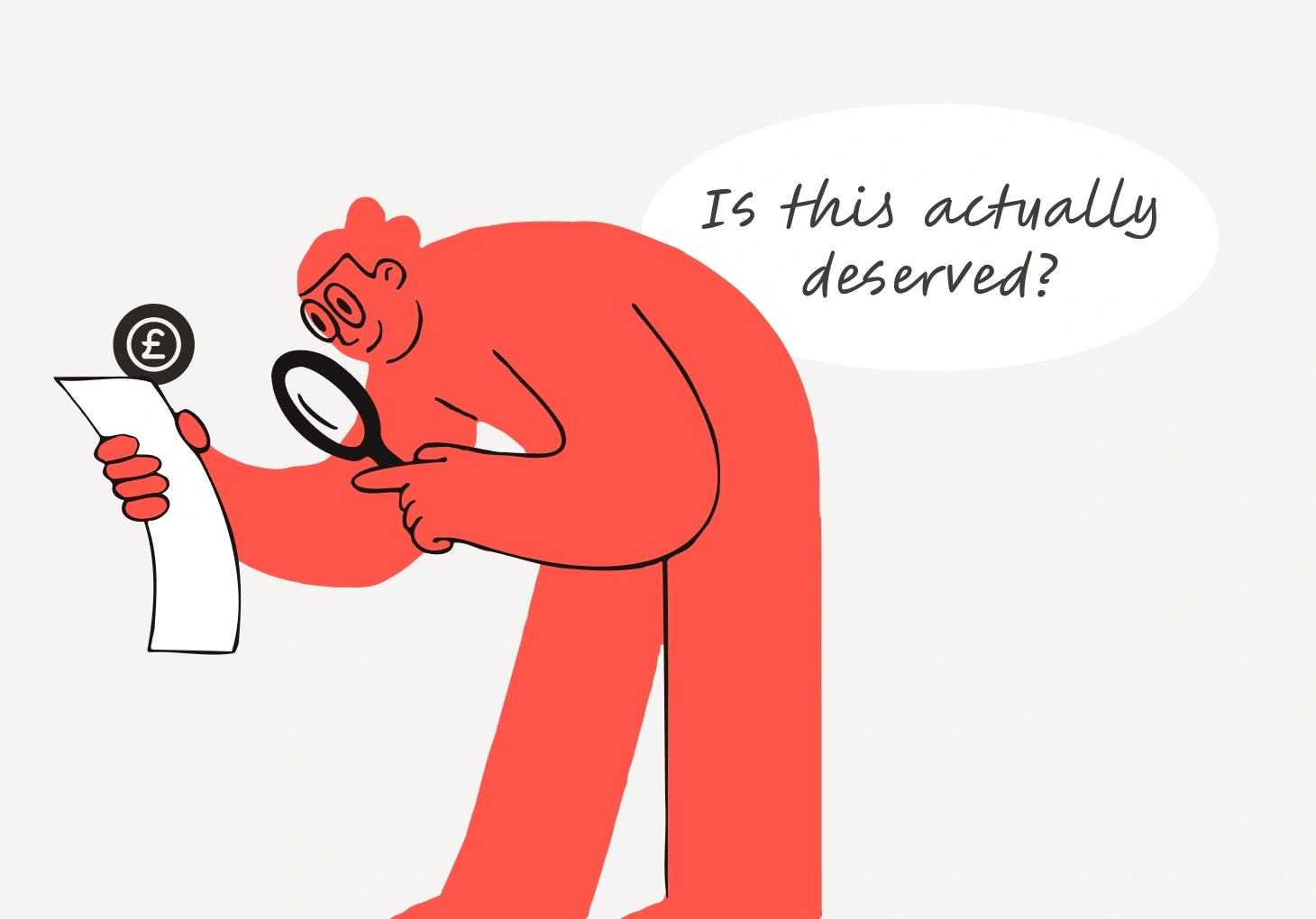
The Service Skeptic
- Who they are: Broad range but usually male and 45+
- Tips: Cautiously and rationally.
- Why: Driven by both value for money and a consistent experience is key, this diner will meticulously check the bill and ensure their expectations are met before paying anything extra.
- Thinks: “Is this actually deserved?”
- Can sometimes: Feel penalised for standards that restaurants don’t always meet.
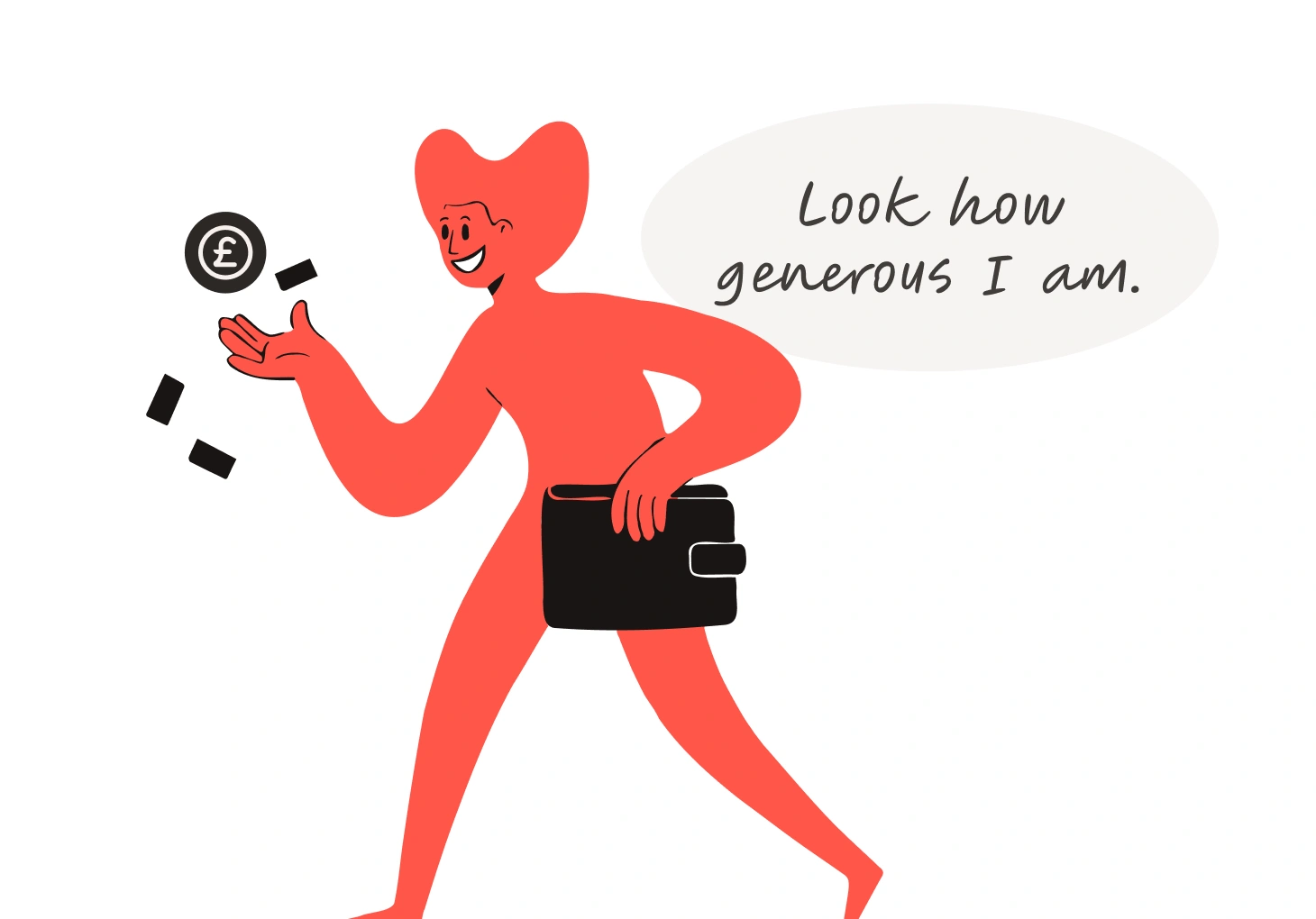
The Social Performer
- Who they are: Mid 20s-late 30s, male skew
- Tips: Generously and conspicuously.
- Why: This diner tips as a form of identity management. To them, the act of tipping is as important as the amount - sometimes even more so.
- Thinks: “Look how generous I am.”
- Can sometimes: Over-tip to prove a point.
Looking for ways to optimise your tips?
Our advisors are here to support in finding a solution for your business